
Uganda Cultural Tours: Where They Go and Who the Money Reaches
Visits to Batwa forest communities, Karamojong manyattas, Buganda royal sites and Ndere Centre dance performances.
A Uganda cultural tour is a visit an operator arranges to a community, a kingdom site or a craft group, almost always added to a wildlife itinerary rather than booked on its own. The main ones are the Batwa Trail at Mgahinga, village walks at Buhoma and Bigodi, Karamojong homesteads in the northeast, and the Buganda sites at Kasubi and Mengo in Kampala.
Safaris That Include Cultural Tour
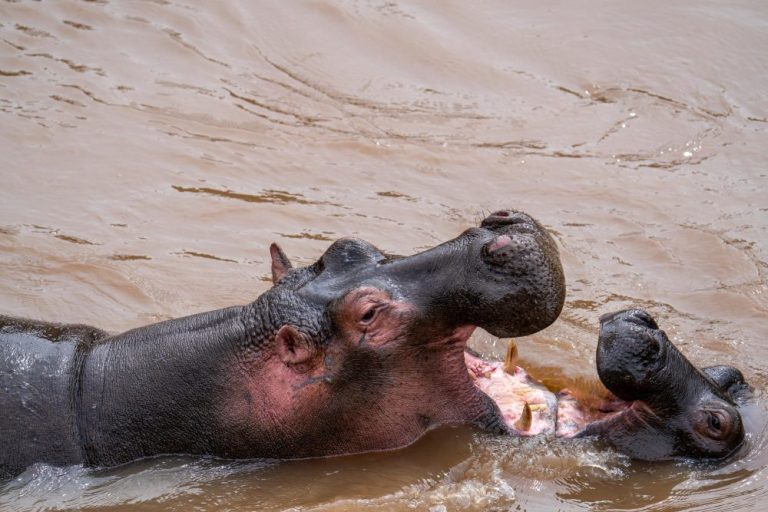

15 Days Best of Uganda Safari
by Tranquil Safaris Verified operator
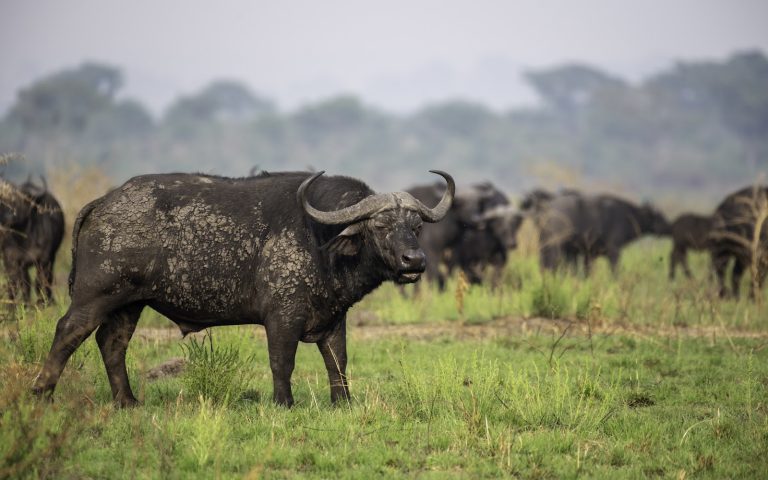

6 Days Uganda Safari, Gorillas, Wildlife & Chimps
by Insight Safari Holidays Verified operator
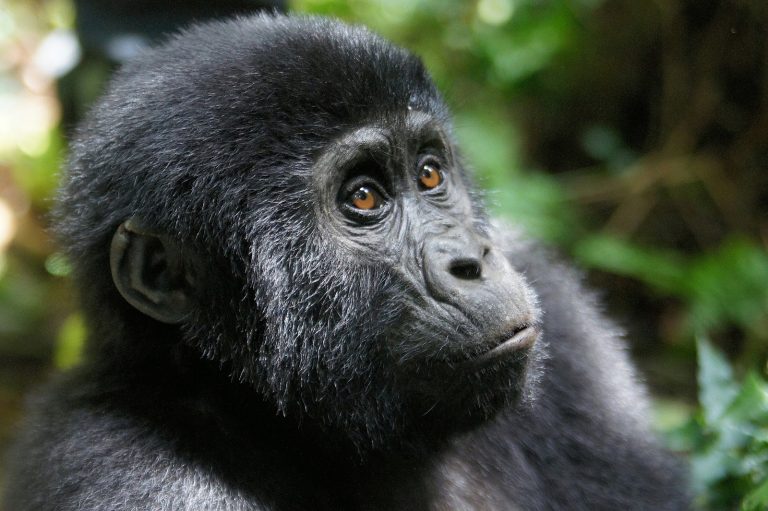
4 Days Uganda Gorilla and Wildlife Safari
by Tranquil Safaris Verified operator
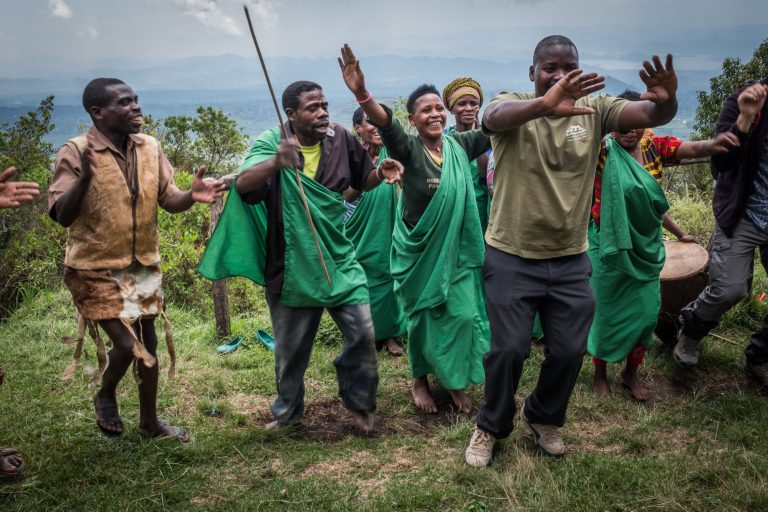
10 Days Uganda Cultural Tour
by Insight Safari Holidays Verified operator
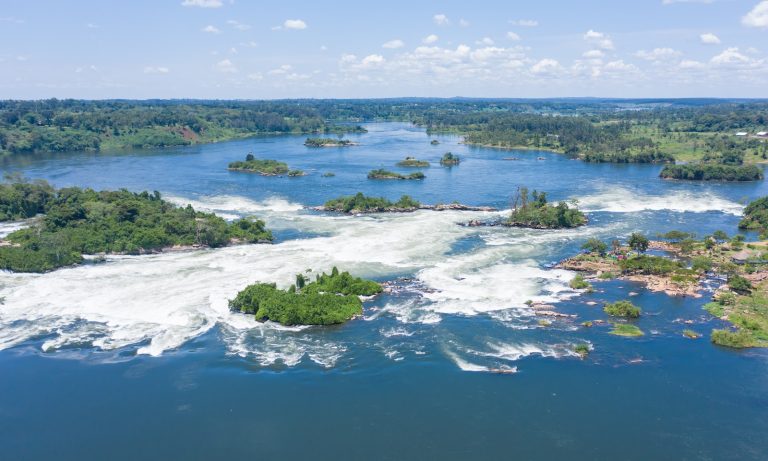

1 Day Jinja Private Tour Uganda
by Kori Safaris Verified operator
From $150 per person
View Safari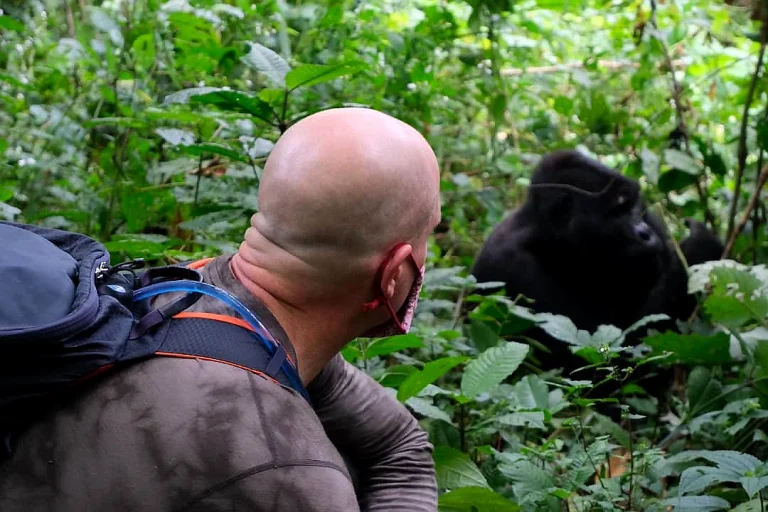

Gorilla Trekking Safari
by Ancient Africa Safaris Verified operator
From $3,200 per person
View SafariSee all 9 safaris that include cultural tour
A Guide to Cultural Tours in Uganda
What a Uganda Cultural Tour Actually Is
A Uganda cultural tour is a visit an operator arranges on your behalf: usually a morning or a half day slotted into a wildlife itinerary, with a guide, a vehicle and a fee paid somewhere along the way. Starting with that plain description matters, because the phrase is used loosely and covers two quite different things. An operator arranged visit is one. A community owned enterprise is another. Where your money settles depends on which you have booked.
Most are short. An hour at a weaving group near Bwindi once the gorilla trek is done. A Buganda site before the airport. Almost nobody flies to Uganda for culture alone, and itineraries are built around that.
Being short is not the problem. What decides whether the visit is worth anyone's time is how it was set up: who was asked, who guides it, what was agreed, and whether the hosts have any say over how often strangers arrive.
Cultural Tours and Community Tourism Are Different Trips
This distinction runs through every page on the subject and almost nobody writes it down, so here it is. On a cultural tour, an operator brings clients to a place and pays someone there. The operator owns the relationship, sets the schedule and keeps the margin. On a community tourism trip, the enterprise itself belongs to the people you are visiting: they own the walk, employ the guides, bank the takings and decide what the money funds.
Both exist in Uganda and both can be done well. The Uganda Community Tourism Association, formed in the late 1990s, is the umbrella for the second kind, with more than seventy member groups around the country and a membership that is roughly two thirds women. Those groups run guiding services, craft shops, small restaurants and performance troupes, and the profits stay local by design rather than by goodwill.
An operator sold cultural tour is not automatically worse. It is opaque unless you ask. Our community tourism guide sets out the community owned model and which places in Uganda run on it.
The Batwa Trail at Mgahinga: What This Tour Actually Is
The Batwa Trail at Mgahinga Gorilla National Park is the cultural visit most often sold in Uganda and the one most often written about badly, so it needs stating carefully.
The Batwa lived in the forests of southwestern Uganda as hunters and gatherers. When Bwindi and Mgahinga were gazetted as national parks in the early 1990s, largely to protect mountain gorillas, the Batwa were removed. There was no meaningful consultation and no compensation, because they had never held title to land they had occupied for generations. Peer reviewed work on the eviction describes the result without softening it: landlessness, casual labour on other people's farms, poor health and a marginalisation that has not lifted. The term used in that literature is conservation refugees.
That is the context for the trail. The visit runs several hours on the lower slopes of the volcanoes, guided by Batwa men and women, taking in forest plants and their uses, hunting and fire making methods, songs, and Garama Cave, which guides present as a site of Batwa kings. It sits on the Uganda Wildlife Authority tariff as a park activity, which means the fee is collected by the park rather than handed to a community association at the gate.
How that money is split is the part you should ask about directly. Published accounts say a portion funds Batwa development work and a portion pays the guides, but the tariff sheet itself carries a price and no breakdown. An operator who cannot tell you the split is telling you they have not asked either.
On the Bwindi side the equivalent visits run through the Batwa Development Program under the Kellermann Foundation, which schools over a thousand Batwa children, replaces leaf shelters with brick houses, runs a women's centre and funds care at Bwindi Community Hospital. That structure is checkable, which is more than many arrangements sold under the same name manage.
What the trail is not: a folk show, or a chance to see people living in the forest as they once did. They do not live in the forest. They were taken out of it. Some visitors find the morning uncomfortable for exactly that reason. Others call it the most worthwhile half day of their trip. Both reactions are common, and the discomfort is not a fault in the product.
Buganda Kingdom Sites on a Kampala Cultural Tour
A Kampala cultural tour usually means Buganda, the kingdom whose capital the city grew around. The Kampala guide covers the city itself, so what follows is the kingdom layer.
Karamojong Homestead Tours in the Northeast
Cultural tours in Karamoja are structurally different from the southwest, mostly because tourism arrived late and the region set some of its own terms. A homestead visit takes you inside a manyatta, a fenced compound of huts and stock enclosures, where the day runs on cattle, sorghum and water rather than on visitors.
What happens is domestic. Building methods, food preparation, beadwork, bows, herding, sometimes wrestling or a dance the household was holding anyway. Guides are local youth working with elders, and the better outfits in Moroto are explicit that traditions there are lived rather than performed.
Two honest cautions. Karamoja has been defined for decades by drought, raiding and neglect, and a visitor walking in with a camera lands in the middle of that. Ask before photographing, accept a no, and do not hand out cash or sweets to children, which turns a homestead into a roadside stop within a season. Most trips here pair the culture with Kidepo Valley, since the drive is long and the two sit on the same road.
Village Walks at Bigodi and Buhoma on a Primate Safari
The two village walks most often added to primate trips are the strongest community run options in the country, and both are cheap in time.
Bigodi sits on the edge of Kibale, about forty kilometres from Fort Portal. The walk is run by KAFRED, a local association that has been reinvesting tourism takings in the village since the early 1990s: a secondary school, boreholes, bridges, teacher salaries, small loans. Three to four hours on foot takes in a traditional healer, elders' homesteads, the primary school, a church, the trading centre and the banana brewing that goes on behind it.
Buhoma, at Bwindi, runs its walk through the Buhoma Community Development Association. Two to four hours, adjustable, covering a weaving and tailoring centre, a healer, the banana brewery and a primary school. Revenue moves through the association into village projects, and the Bwindi Community Guest House feeds its income into the hospital.
Both are walks through a working village, not a display. People will be farming while you pass. That is the point.
Ankole Cattle Country: Igongo on a Southwestern Safari Route
Almost every southwestern itinerary passes Mbarara, and Igongo Cultural Centre at Biharwe is the stop that breaks the drive. The Eriijukiro museum holds the largest collection of artefacts from western Uganda and the neighbouring kingdoms: milk gourds, hide work, royal regalia, longhorn Ankole cattle and an exhibit on Queen Kitami.
Outside sits a recreated homestead separating the cattle keeping Bariisa from the cultivating Bahiingi, with milking, ghee making, millet grinding and eshabwe sessions guests can join. Biharwe hill above it carries the eclipse monument and a short walk over the plain. A curated site rather than a village, and upfront about that.
Ndere Centre and Staged Performance on a Kampala Tour
The Ndere Centre at Kisaasi runs an evening of music and dance drawn from across Uganda's ethnic groups, three shows a week, roughly three hours each, with a meal available alongside. The troupe was founded in the mid nineteen eighties and works as a full time company.
Staged performance gets criticised in cultural tourism writing, often lazily. The test is not whether a thing is staged. Paid dancers performing on a stage they built, under their own direction, sit closer to a national company than to a tourist show. The problem starts when a community is asked to perform its ordinary life on someone else's schedule for a fee it did not set. Ndere is the first case, not the second.
How to Judge a Cultural Tour Before You Book It
Read the itinerary wording. Pages promising you will witness ancient traditions, or listing people as an attraction alongside the wildlife, have thought about the marketing and little else. Pages naming the association, the village and the guide have done the work.
Safaris that carry a cultural component are run by independent Ugandan operators, and the depth of that component varies a lot between them. Ask which sites are included, how long is allowed, and who receives the fee. Those three answers separate a real visit from a photo stop.
Frequently Asked Questions About Cultural Tours in Uganda
What does a cultural tour in Uganda cost? The site visit fees are small next to the rest of a safari. The Uganda Wildlife Authority tariff prices the Batwa Trail at Mgahinga at USD 80 for a foreign non resident, and that figure includes park entrance. The Batwa experiences at Bwindi and Semuliki are USD 40 and USD 10 and exclude it, so park entry is added on top. That entry is USD 40 per person per twenty four hours at Bwindi, Mgahinga, Kibale, Queen Elizabeth, Kidepo and Lake Mburo, and USD 45 at Murchison Falls. Everything else on this page sits outside the park tariff: Kasubi, the Lubiri, Ndere, Igongo and the community village walks are priced by the site or the association that runs them, and the village walks at Bigodi and Buhoma are priced by the associations that run them, with the published figures for Bigodi disagreeing enough that our Bigodi page lists them all rather than quoting one. What moves the total is the vehicle, the driver and the nights, which our Uganda safari cost guide works through properly.
Is it exploitative to visit the Batwa? It can be, and pretending otherwise helps nobody. A visit set up through an association that funds Batwa schooling, housing and healthcare is a different transaction from a lodge arranging an hour of dancing with an unnamed group. Ask who receives the fee and what it pays for before you go. If the answer is vague, spend the morning elsewhere.
How long should I allow for a cultural visit? Half a day for anything worth doing. The village walks run three to four hours, the Batwa Trail four to five, Ndere about three in the evening. An hour scheduled between a game drive and lunch is not a visit, it is a stop.
Can I add a cultural tour to a gorilla trip? Yes, and it is the most common pairing, because Buhoma, Nkuringo and Kisoro all sit near community projects. Do not attempt it on trekking day itself. The trek can run eight hours and you will be finished. Our gorilla trekking guide covers how that day works.
When is the best time of year for cultural visits? Any month, since none of this turns on wildlife or weather the way a game drive does. Village walks are muddier in the wet months. A specific ceremony is a different matter, and our best time to visit guide covers the seasons.
Is it safe and is it appropriate to bring children? Both are fine. Village walks in particular work well with children, and Ugandan hosts are relaxed about them in a way that surprises some visitors. The one thing to brief children on beforehand is not giving things away to other children.
Every safari on this marketplace is sold and run by an independent Ugandan operator. Write to the one whose itinerary reads closest to what you want, name the cultural sites you care about, and ask them who the fee reaches. We take no booking and charge you nothing.