
Uganda Birding Tours: Where to Go, When, and What You Will See
Birding across Uganda’s 1,000-plus recorded species, from the shoebill at Mabamba to Albertine Rift endemics in Bwindi and Congolian specials in Semuliki.
Uganda birding tours are built around habitat rather than parks, which is why a good route strings papyrus swamp, rainforest, montane forest and savanna together in sequence. Trips run from three days to a fortnight. Uganda holds over a thousand recorded species, the shoebill at Mabamba and all twenty four Albertine Rift endemics in Bwindi.
Safaris That Include Bird Watching

4 Days Queen Wildlife Viewing, Kibale Chimps tracking
by Kori Safaris Verified operator
From $1,050 per person
View Safari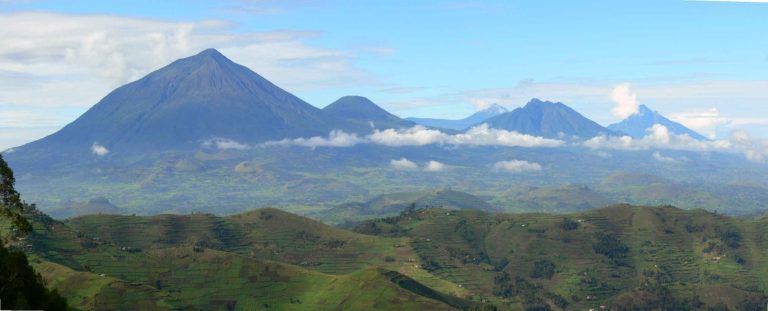 Photo: Byekwaso Blasio / CC BY-SA 4.0

7 Days Mount Mgahinga Gorillas, Golden Monkey and Volcano Hike
by Insight Safari Holidays Verified operator


5 Day Birding in Uganda
by Tranquil Safaris Verified operator


3 Days Chimpanzee Double Tracking Safari
by Ancient Africa Safaris Verified operator
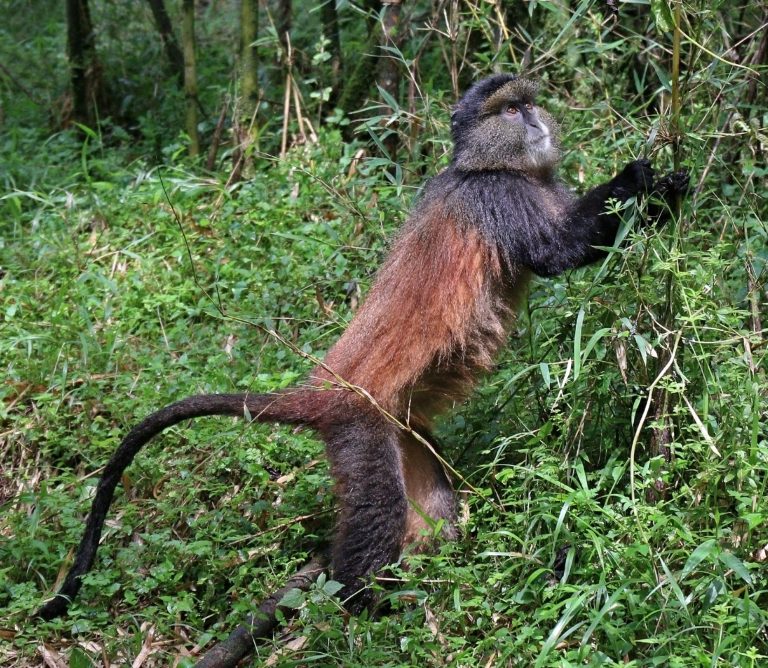 Photo: Charles J. Sharp / CC BY-SA 4.0
4 Days Golden Monkey Trekking in Uganda
by Insight Safari Holidays Verified operator

15 Days Uganda Safari
by Wild Whispers Africa Verified operator
See all 8 safaris that include bird watching
A Guide to Bird Watching in Uganda
What a Uganda Birding Tour Actually Covers
A Uganda birding tour is built around habitat rather than around parks. That sounds like a technical distinction and it is the one that decides your itinerary. Papyrus swamp, mid altitude rainforest, montane forest above 2,000 metres, savanna, dry thorn country in the far northeast: each holds a different set of birds, and the route exists to string them together in a sensible order.
The practical result is that a birding trip looks different from a general safari even when it visits the same places. You leave earlier. You stop more often, sometimes for a long time in one spot. A morning can pass on a single forest trail while a general safari group would have driven through it in twenty minutes.
Most operators sell birding as a private trip rather than a scheduled departure, because pace is personal. Some birders want a list. Others want good views of fewer species. Those are different trips and it helps to say which one you are booking.
Where Uganda Birding Safaris Go
The standard Uganda birding safari runs west and south from Entebbe, picking up habitats in sequence. A short trip takes the wetland and one forest. A long one crosses the country.
Nobody visits all of these. A route that tries to becomes a driving exercise, and the birding suffers for it.
The Shoebill, and Why Mabamba Starts Most Birding Tours
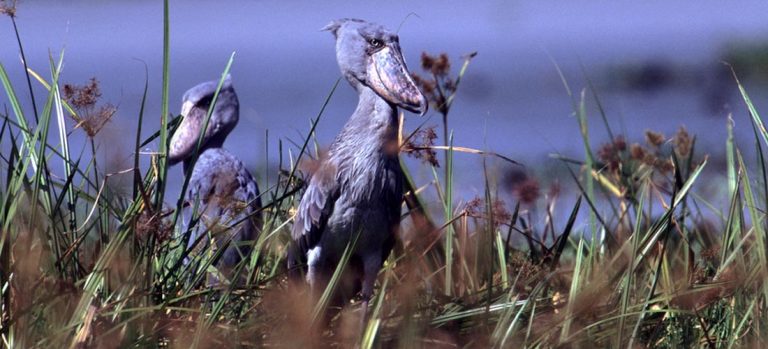
One bird drives more Uganda birding tours than any other. The shoebill is large, grey, prehistoric looking and almost entirely uninterested in you, and Uganda is the easiest country in the world to see one.
Mabamba is the reason. The wetland sits across Lake Victoria from Entebbe and holds a resident population of roughly a dozen birds. Getting there means driving to Nakiwogo landing site, taking a ten minute ferry to Kasanje, then twenty minutes on a dirt road through cultivation. You bird from a motorised wooden canoe worked along channels cut through the papyrus.
Go at first light. This matters more than it sounds. A shoebill hunts by standing still in shallow water waiting for lungfish, which is both why it is findable in the morning and why it becomes very hard to find later, when it moves back into thick papyrus and rests.
The boats are handled by local fishermen, some with birding training, who know the channels in a way no visiting guide does. Sightings are not guaranteed and no honest operator will tell you otherwise. It is a wild bird in a large swamp, and it can stand motionless behind a screen of reeds for hours.
Albertine Rift Endemics on a Bwindi Birding Safari
For a serious birder the Albertine Rift endemics are the reason to come, more than the shoebill. These are species restricted to the mountains along the western arm of the rift, found in Uganda, Rwanda, Burundi and eastern Congo and nowhere else on earth.
Twenty four of them have been recorded in Uganda. All twenty four occur in Bwindi, which is why a Bwindi birding safari sits at the centre of almost every serious itinerary. Ruhija is the sector that matters most. It is higher, colder and wetter than Buhoma, and the Mubwindi Swamp trail below it is the classic morning walk, worked slowly for Grauer's Broadbill.
Regal Sunbird, Rwenzori Turaco, Handsome Spurfowl and Rwenzori Batis come more easily. The broadbill does not. Birders have spent three mornings on that trail without it, which is worth knowing before you build a trip around a single species.
Savanna and Wetland Birding Safaris in Queen Elizabeth and Murchison
Forest birding is slow, dark and often frustrating, and good trips break it up. The savanna parks are where the list grows quickly and where a non birding partner stops checking their watch.
The Kazinga Channel launch in Queen Elizabeth is the clearest example. Two hours on a boat between Lake Edward and Lake George puts you level with pelicans, skimmers, storks and waders standing along the bank, close enough that a scope becomes unnecessary. It is also a game viewing trip, which is what makes it useful on a mixed itinerary.
Murchison offers the same trade in a different shape. The launch upriver to the base of the falls is the famous one, but the run downstream to the Nile delta is the birding trip, and it is the country's second dependable shoebill site. Fewer boats go that way.
How Long a Uganda Birding Tour Needs to Be
Three days buys the wetland and one forest. That is a real trip and it produces the shoebill plus a solid first list, though it leaves the rift endemics untouched.
A week is the point where the itinerary starts to make sense: Mabamba, one mid altitude forest, one savanna park and Bwindi, with the driving spread out rather than stacked. Ten days lets you add Semuliki or slow down in Bwindi, which usually produces more than adding another site would.
Beyond a fortnight you are into Kidepo, the far northeast and the dry country species, and the trip becomes a genuine cross country birding safari. Those exist and birders book them, but they are a second visit for most people rather than a first.
Best Time of Year for a Uganda Birding Safari
Uganda birds well all year, which is unusual and worth stating plainly. The endemics that bring birders here are resident, so they do not appear and disappear with the seasons.
What changes is everything around them. Palearctic migrants arrive from around November and stay into March, and they add enough species to noticeably lift a trip list. The drier stretches, roughly December to February and June to August, give firmer forest trails and easier driving. Put those together and the window from December to February is the one that combines migrants with reliable ground underfoot.
The wetter months are not a write off. Trails are muddier and a forest morning can be washed out, yet the birds are in better plumage, many species are breeding and calling, and the parks are quieter. Our month by month guide to the best time to visit Uganda works through the rainfall in detail, including the fact that the north and the southwest run on different cycles.
What to Pack for Birding Tours in Uganda
Binoculars first, and better ones than you think you need. Forest birding happens in poor light under closed canopy, and cheap glass that performs adequately on an open estuary falls apart at dawn in Bwindi. Eight or ten times magnification with good light gathering is the sensible range.
A scope earns its weight on the Kazinga Channel and in open country, and becomes dead weight on a forest trail. If you are travelling light, leave it and share the guide's.
Beyond optics the list is short and unglamorous. Waterproof boots with grip, because forest trails at altitude are mud for much of the year. Long sleeves and long trousers against safari ants and nettles. Rain cover for the camera and the bag rather than for you. A torch, since pre dawn starts are normal. Bwindi at Ruhija sits high enough to be genuinely cold before sunrise, which surprises people who packed for the equator.
Choosing a Bird Guide, and Why It Changes the Trip
This is the part that separates a good birding trip from a disappointing one, and it is the part least discussed on tour pages.
A general safari guide in Uganda is usually very good at mammals, competent on the obvious birds and honest about the rest. A specialist bird guide works by call, hears a species before anyone sees it, knows which bend in which trail has held a bird in past seasons and can separate confusing species in bad light. On a forest trail the difference is not marginal. It is the difference between a list of forty and a list of ninety.
Ask directly when you enquire. Ask whether the guide is a birding specialist, which sites they have worked, and whether they use playback and to what extent, since practice varies and some reserves restrict it. An operator that answers those three questions precisely is telling you something useful about the trip.
Combining a Birding Safari with Gorillas and Chimpanzees
Most people who come to Uganda for birds also track gorillas, and the geography makes it easy: Bwindi is both the endemic hotspot and the gorilla park, so the two sit on the same stop.
The trade is a day. Gorilla trekking takes a full morning and sometimes longer, and it is physically hard enough that birding the same afternoon is optimistic. Build it in as its own day rather than squeezing it. Our guide to gorilla trekking in Uganda covers permits, sectors and fitness in full.
Chimpanzee tracking in Kibale fits more neatly, since it happens in the same forest where you would be birding anyway, and the Bigodi swamp walk on the edge of the park is a birding activity in its own right.
Frequently Asked Questions About Uganda Birding Tours
How many bird species does Uganda actually have? Sources disagree, and the disagreement is honest rather than careless. The African Bird Club puts the country at roughly 1,070, which is the fourth longest list in its region. Avibase records 1,093. Other published checklists land between those. The number moves because taxonomy moves: splits and lumps change national totals without a single new bird arriving. Anything above 1,000 is safe to state, and the exact figure matters far less than the fact that half of Africa's species occur in a country the size of the United Kingdom.
What does a Uganda birding tour cost? Price follows length, lodge tier and group size more than anything else, and a private birding trip costs more per day than a group safari because the guiding is specialist and the pace is slower. Park entry for a foreign non resident is USD 40 per person per twenty four hours at most of the birding parks, including Queen Elizabeth, Kibale and Bwindi, and USD 45 at Murchison Falls, which sits in a higher tariff band. If gorilla trekking is added, the permit is USD 800 and the habituation experience is USD 1,500. Every operator carries its own pricing, and enquiring gives you a real quote for your dates rather than an estimate.
Is the shoebill guaranteed at Mabamba? No, and treat any operator who says otherwise with caution. Around a dozen birds are resident in the swamp and morning visits find them often, but it is a wild bird in dense papyrus. Going at first light and allowing a second morning if the trip is short are the two things that improve the odds.
Do I need a specialist bird guide? For forest birding, yes, and the difference is large. For savanna and wetland birding a strong general guide will get you most of the way. If the budget allows only one specialist day, spend it in Bwindi.
How many species will I see in a week? Between 300 and 450 on a well planned week, depending on habitat coverage, the season and how hard you push. A single good day in mixed habitat can produce a hundred.
What binoculars should I bring? Eight or ten times magnification with a large objective lens for low light. Forest interiors are darker than most visitors expect and optics are the one piece of equipment where the upgrade is felt every single day.
Can a non birder come along? Yes, and Uganda handles it better than most birding destinations, because the same trip contains gorillas, chimpanzees, boat trips and savanna game. The compromise worth agreeing in advance is start times, since birders leave before dawn and not everyone wants to.
Every safari on this marketplace is sold and operated by an independent Ugandan tour company. Send your dates and your target species to the operator running the trip you like and they will reply with a real itinerary and a real quote. We take no booking and charge you nothing.