
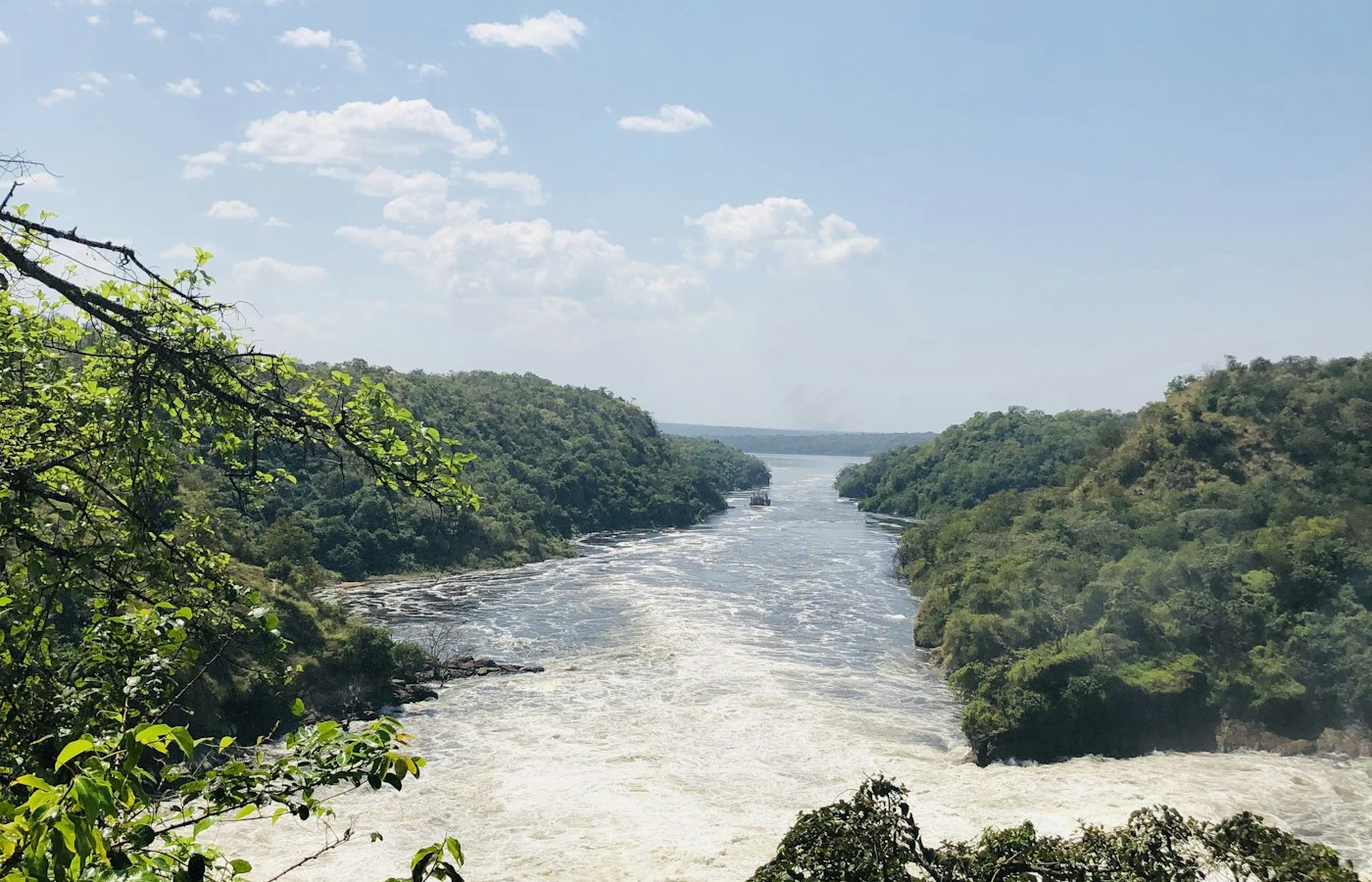
Jinja is Uganda’s adventure capital, a Nile side city where grade five white water rafting, a 44 metre bungee jump and the outflow of the world’s longest river sit within an hour of each other. Most visitors book the rafting first and build a second activity around it. The city stands on the north shore of Lake Victoria, about 80 kilometres east of Kampala.
Jinja Adventure Tours and the Source of the Nile at a Glance
Two things make Jinja work as a destination. The first is the river. Water leaves Lake Victoria here and immediately starts falling, and for roughly fifty kilometres downstream it runs warm, deep and fast over a bed of granite. The second is that this happens two hours from the capital on a tarmac road, so a Jinja adventure tour slots into almost any Uganda itinerary without costing a whole day of driving.
The city itself is the second largest in Uganda and became a city officially in July 2020, when the old municipality absorbed Bugembe, Mafubira and Budondo. It is the seat of Busoga, one of the country’s traditional kingdoms, and it grew as an industrial town: sugar at Kakira, beer at the Nile Breweries plant across the river, a railway that once ran to Mombasa. Some of that industry is still working and some of it is not, which gives Main Street its particular mix of Indian built shopfronts, coffee bars and hardware stores.
Plan on two nights. One night is enough for a single activity and a rushed departure, and most people who give it three end up wishing they had booked a fourth.
White Water Rafting Safaris on the Nile and What the Dams Changed
White water rafting is why Jinja has a tourism industry at all, and a Nile rafting safari here still holds its reputation against anything in Africa. What almost nobody tells you is that the river you will raft is not the river the older guidebooks describe, because two hydro dams have drowned long sections of it.
The Bujagali dam went in first and filled its reservoir in the early twenty tens. Bujagali Falls itself disappeared, along with Ribcage, the Hump and the string of features that used to open the day. Isimba followed downstream at the end of the decade and took a second bite: Malalu, Kulu Shaker, Hair of the Dog, Vengeance and, most painfully for paddlers, Nile Special, a standing wave that had drawn freestyle kayakers from every continent. It is gone and it is not coming back.
Here is the part that matters for a rafting trip. Both of the grade five rapids on the morning section survived, and so did the big water further down. Operators shortened the run and shifted the put in, but the trip is still a full day on serious whitewater rather than a scenic float dressed up as one.
Trip length is the figure most often got wrong. Operators currently publish somewhere between fifteen and nineteen kilometres for the full day, and the difference comes down to where each one launches and how much flat water they paddle rather than to any disagreement about the river. Expect four to five hours afloat, plus transfers, breakfast and a long lunch stop.
The flat sections deserve a warning of their own. Between the big rapids there are pools where the current dies completely and you paddle, in the sun, for what several trip reports put at an hour and a half in total. This is where people get burnt. An old long sleeved shirt or a rash guard is worth more than sunscreen alone, because the reflected light off the water gets under a cap.
Grade three trips run the same river with a route chosen to avoid the worst of it, and they are a genuine alternative rather than a consolation. Children from eight can usually join a grade three raft, subject to a minimum weight. Grade five sets the bar at sixteen.
Choosing a Nile Rafting Operator for Your Jinja Adventure
Three companies have run this section of river for two decades or more, and all three are currently operating. They are close enough on safety and price that the choice usually comes down to where you want to sleep and how you want the day built.
Every one of them puts safety kayakers on the water alongside the rafts and briefs you before you launch. The briefing includes deliberately tipping the raft in flat water so you find out what being underneath it feels like while nothing is at stake. Do not skip that bit, and do not treat it as a joke.
If you do swim a rapid, the drill is simple and worth rehearsing in your head: get on your back, feet pointing downstream, hold the safety line if you have it, and wait. A kayak will reach you. People who fight the water do worse than people who float through it.
Bungee Jumping Tours Over the Nile at Kalagala Falls
The bungee jump is 44 metres off a purpose built tower over the Nile, with a full body rig option, a tandem option and the choice of stopping short or going the whole way so your hands or head touch the water on the first bounce. There is no upper age limit. There is a weight range, roughly 35 to 110 kilograms, and a list of conditions that will get you turned away, including pregnancy, heart trouble, high blood pressure and back problems.
The jump takes about ninety seconds from the moment you shuffle to the edge. Everything else is queueing, weighing, harnessing and watching other people go first, which is the part most jumpers say they found hardest. Arrive half an hour early. It runs every day of the year.
Kayaking, Riverboarding and Tandem Paddling Trips on the White Nile
Jinja was a serious kayaking destination long before it was a mass market one, and kayaking trips here still run at every level from a first afternoon in a boat to competitive freestyle coaching. The loss of Nile Special hurt the top end badly, but Super Hole and Club Wave are still in place and still good, and an intermediate paddler will not run out of water in a week.
You do not need any of that to get on the river. Tandem kayaking puts you in the front of a boat with a guide behind you doing the difficult part, which is the most direct way to run rapids without a raft around you. Introductory courses work on flat water above the first drop and then step down gradually.
Riverboarding is the strange one. You take a reinforced bodyboard, fins and a helmet, and you swim the rapids face first with the raft trip alongside you. It is far more physical than rafting and it magnifies everything, so a wave that a raft rides over becomes something you go through. Most operators will only take strong swimmers.
Tubing, Sundowner Cruises and Paddleboarding Tours
Not every river tour here needs adrenaline. Tubing drops you in an inflated ring on a flat stretch and lets the current do the work, and on a normal day it is exactly as gentle as it sounds. After heavy rain it is not. Reviews from people who got caught out describe water moving considerably faster than they were told to expect, and at least one describes a genuinely frightening swim. Ask what the river did overnight before you commit, and if the answer is vague, book it for another day.
The sundowner cruise is the low effort option and it earns its popularity. A flat bottomed boat runs upstream towards the source in the late afternoon, hugging the banks where the fish eagles and kingfishers work, and turns for the run home as the light goes. Drinks and snacks are usually included. It pairs well with a rafting day because it asks nothing of a body that has already been beaten up.
Stand up paddleboarding has taken hold on the calm water near the camps. Beginners get an hour of instruction and a flat pool; anyone with balance ends up trying a small wave train by the second session.
Source of the Nile Tours, the Speke Monument and Ripon Falls
A Source of the Nile tour is the obligatory Jinja stop and it splits people. Some find it a moving thing to stand at the head of a river that runs 6,650 kilometres to the Mediterranean. Others find a garden, a monument and a jetty, and wonder what the fuss is. Both reactions are reasonable, and which one you have depends almost entirely on whether you take the boat.
From the gardens on the Jinja bank you get a view and some information boards. The boat, a short ride out to the middle of the channel, takes you to where the lake water actually turns over and starts to move, and where you can watch it well up from the bed. That is the bit worth having. Boat fares are negotiated at the jetty rather than posted, which is the single most common complaint visitors record about the site, so agree the number before you step in and know that the first figure quoted is not the last one.
Two pieces of history are usually mangled on other pages. John Hanning Speke sighted Lake Victoria in 1858, but he did not reach the outflow until 1862, and it is the later date that belongs on the monument story. And what he stood over was Ripon Falls, a low wide cataract about five metres high. You cannot see it, because the Owen Falls Dam drowned it in 1954. The gentle water you are looking at is a reservoir surface, not the original source.
The Source of the Nile Bridge just downstream is worth two minutes of anyone’s attention. The cable stayed span opened in October 2018, runs 525 metres and replaced the old road that crossed on the dam wall itself. Pedestrians can walk it. Photography on and around dam infrastructure attracts official interest in Uganda, so keep the camera pointed at the river.
Quad Biking and Horseback Riding Adventures Beside the Nile
Quad biking tours run from the camps at Bujagali and follow tracks through sugarcane, banana gardens and a string of villages above the river. Sessions typically run one to three hours, no licence required, with an instructor leading and a short practice loop before you leave the compound. It is dusty in the dry months and properly muddy in the wet, and the mud is the better version.
Horseback riding safaris cover similar ground at a quieter pace. The stables here have been running for years and take complete beginners on lead reins as readily as they take experienced riders out for a canter along the riverbank. A two to three hour ride is the standard, with shorter options for children and a longer one that includes a swim in the river with the horse. Riders report that the animals are in good condition and well handled, which is not something you can assume everywhere in the region.
Both activities pass through inhabited farmland rather than empty bush. That is part of the appeal and it also asks something of you: slow down near children, and ask before photographing anyone’s compound.
Itanda Falls and Busowoko Falls Day Trips
Itanda Falls sits roughly twenty seven kilometres downstream of Jinja and is the single most violent piece of water on this part of the river. Rafts do not run the main channel. You watch it from the rocks, which is enough, and the noise carries a long way before you see anything. The site matters to the Basoga as a place of ritual and there are shrines on the bank, so treat it as somewhere people go to pray rather than somewhere people go to look. A small local fee is collected at the gate.
Itanda has taken on a second life as the home of the Nyege Nyege festival, which moved out of Njeru to the falls and now fills the site with several days of East African music each year. If your dates land on it, book accommodation early and expect Jinja to be full.
Busowoko Falls is quieter, closer and much less visited. It is a working set of rapids rather than a viewpoint with a car park, and the walk down to the water goes through village land with a local guide. If Itanda feels like a spectacle, Busowoko feels like a place, and half a day covers both if you start early.
Mountain Biking and Village Cycling Tours Around Jinja
Bicycles are ordinary transport in Busoga, and a few operators have turned that into a proper set of cycling tours. Routes run along the Nile, through the villages on the plateau above it and down to Lake Victoria, on a mix of dirt tracks and farm paths, mostly flat with a few short climbs that will remind you of the equator.
One of the outfits doing this is tied to a bicycle foundation that supplies and maintains bikes for rural transport, so the money circles back into something the area actually uses. Rides run from a couple of hours to a full day with lunch in a village. Bring more water than you think, and start at first light in the dry season.
Nile River Explorers runs mountain biking from Bujagali as well, which is easier to bolt onto a rafting booking if you are short on time.
Mabira Forest Zip Line and Nature Walk Tours
Roughly halfway back towards Kampala, Mabira Forest covers something close to three hundred square kilometres of surviving natural forest and makes an easy half day out of Jinja. Guided forest walks leave from Griffin Falls Camp on marked trails, with red tailed monkeys and grey cheeked mangabeys around most days and a bird list well over three hundred species. Sightings are never guaranteed, and the forest is dense enough that hearing more than you see is the norm.
The zip line tour is the reason most day trippers come. A series of runs strung between platforms carries you through the canopy rather than over it, which is a different sensation from the open valley zip lines elsewhere in the region. It takes about an hour and the guides run it patiently for people who arrive nervous.
Mabira works best as a stop on the drive between Kampala and Jinja rather than as a there and back trip from either end, which is how the one day Jinja private tour handles it.
Jinja City Tours, Main Street and Busoga Culture
Give the city half a day. A Jinja walking tour down Main Street takes you past a run of shopfronts put up by Indian traders in the colonial decades, emptied by the expulsions of the seventies and slowly reoccupied, which is a piece of Ugandan history you can read straight off the buildings. The street now carries coffee houses, craft shops, secondhand clothing stalls and some of the better eating in eastern Uganda.
Eat the rolex. It is a chapati wrapped around a fried egg with tomato and cabbage, it is sold from stands all over town for small change, and Jinja will tell you it invented the thing. Beyond that, the market is the real city: produce, fish from the lake, hardware, tailors, and a level of noise that makes the riverside camps feel very far away.
Village and community walks run from most of the camps and go into the settlements above the river, usually with a local guide and often taking in a school or a craft group. Done well these are worthwhile. Done badly they are intrusive. Ask who is guiding and where the fee goes before you sign up.
For those who want more of Busoga, the kingdom’s seat is at Bugembe on the edge of the city, and the Source of the Nile museum near the gardens covers the region’s history alongside the exploration story. Sport fishing charters run out onto the lake for Nile perch, and there is a small golf course in town that has been going since the colonial period.
Best Time for Jinja Adventure Tours and River Conditions
The short answer is that Jinja works all year. The Nile is dam regulated, so its flow varies far less than a natural river would, and rafting runs every month. What changes is the road, the heat and how much of your day the rain eats.
| Month | Rain | Crowds | Rafting |
|---|---|---|---|
| January | Low | Busy | Prime |
| February | Low | Busy | Prime |
| March | Rising | Quiet | Good |
| April | Heavy | Quiet | Good |
| May | Heavy | Quiet | Big water |
| June | Low | Building | Prime |
| July | Low | Busy | Prime |
| August | Low | Busy | Prime |
| September | Light | Steady | Prime |
| October | Rising | Quiet | Big water |
| November | Heavy | Quiet | Big water |
| December | Easing | Busy | Prime |
Read the chart this way. December to February and June to September are the dry windows, and they are when the dirt tracks used by quad bikes, horses and cycling tours are firm, when the villages are dusty rather than sticky, and when the camps fill up. Book rafting and accommodation ahead in July, August and the Christmas weeks.
March to May and October to November bring the rains, which in Jinja usually means a heavy hour in the afternoon rather than a washed out week. Prices soften, the camps empty and the river runs higher, which some paddlers prefer because the waves get bigger. What suffers is anything on dirt: a village cycling tour in April is a mud ride, and the walk down to Busowoko gets slippery. Carry a dry bag whatever the month, because the rain arrives quickly.
Heat is steady rather than seasonal. The city sits at about 1,140 metres, so days run warm and nights are mild, and nobody needs a jacket for anything except an early start on the water.
Where to Stay and How to Reach Jinja for Your Safari
Accommodation splits along an obvious line: in the city, or out at the river. The riverside camps at Bujagali and Kangulumira put you where the activities start, with dorms, safari tents and cottages side by side at Explorers River Camp, Nile River Camp and their neighbours. Jinja town has the hotels, from backpacker houses and guesthouses to the older resorts overlooking the water. At the top end, the island lodges downstream sit on private ground in the middle of the rapids and are as isolated as anything in Uganda gets.
Getting here is easy. Jinja is about 80 kilometres east of Kampala on a tarmac road, which takes two hours on a good run and closer to three when Mukono is congested. The long promised Kampala to Jinja expressway is still at the procurement stage, so plan around the existing highway rather than the map you saw of the new one. Entebbe airport adds an hour or so on the far side of Kampala, and most operators will collect you from either.
Coaches and shared minibuses run the route constantly and cheaply from Kampala‘s stages. In the city, motorcycle taxis are the standard way to move, and the app based ones are the safer bet if you have not ridden pillion before. A tour operator vehicle is worth it if you are combining Jinja with a national park, because the onward roads north and west are long.
Frequently Asked Questions About Jinja Adventure Tours
How much does white water rafting on the Nile cost, and what is included?
Operators currently publish around 140 US dollars per adult for a full day, and the grade three and grade five trips are priced the same at the largest operator, with a reduced rate of about 95 dollars for children on the grade three. That figure normally covers transfers from Jinja or the camps, breakfast, drinking water and snacks on the river, a meal and drinks at the end, all safety equipment and river crew, and the photos and video from the day. Some operators bundle in a night of dormitory accommodation. Rates move between seasons and between companies, so confirm what is included in writing before you pay a deposit.
What do the other Jinja activities cost?
The bungee jump runs at roughly 115 to 120 US dollars for foreign visitors, with lower rates for East African citizens and residents. Entry to the Source of the Nile gardens is about 10 dollars for international visitors, with the boat out to the source charged separately at somewhere near 15 dollars and negotiated at the jetty. Quad biking sits in the 50 to 90 dollar band depending on how long you ride, horse riding in the 40 to 70 range, and a sundowner cruise or a tubing session at around 25 dollars. These are ranges gathered from operator pages and recent listings rather than a published tariff, so treat them as a planning guide and confirm the number when you book.
What should I budget for a room in Jinja?
Dorm beds and simple guesthouses start in the 10 to 30 US dollar band, mid range hotel rooms and the better safari tents run from about 50 to 150, and the island lodges downstream go well above that. Camps at Bujagali often work out cheaper than town hotels of the same standard, and one of the rafting operators includes a night in its dorm with the trip, which is worth checking before you book a room separately.
Do I need to be able to swim to raft the Nile?
For a grade three or family float, no. Guides take non swimmers regularly, the life jacket does the work and the route avoids the worst water. For grade five it is a different question. You are likely to be thrown out of the raft at some point, and while the jacket will hold you up, panicking in moving water is the real danger rather than drowning. What operators actually want is water confidence: someone who can stay calm on their back with their feet downstream for thirty seconds. If that is not you, take the grade three trip and enjoy it.
Is Nile rafting safe, and what happens if the raft flips?
The three long standing operators have run this river for over twenty years with safety kayakers, a rescue raft and crews trained to international standards, and the record is good. Flipping is not a failure, it is an ordinary part of a grade five day, and the briefing includes tipping the boat deliberately in calm water so the sensation is familiar before it matters. If you go in, get onto your back with your feet pointing downstream, hold onto the safety line if it is within reach, and let the rapid finish. A kayak will pick you up in the pool below. Check that your travel insurance covers grade five rafting, because a fair number of policies exclude it.
Can children and older travellers join these activities?
Yes, with the obvious limits. Grade three rafting takes children from about eight and one operator’s short family float goes down to six. Grade five sets sixteen as the floor. Bungee has no upper age limit at all but does have a weight range and a medical exclusion list covering heart conditions, high blood pressure, back problems and pregnancy. Horse riding, sundowner cruises, forest walks and village tours suit almost anyone, and older travellers who want the river without the beating usually end up on the cruise and glad of it.
How many days do I need in Jinja?
Two nights is the working minimum. That gives you one full day for rafting or another river activity, a half day for the Source of the Nile and the town, and an evening that is not spent driving. Three nights lets you add a quad bike or horse ride, a cycling tour, or the run down to Itanda and Busowoko. Anyone treating Jinja as a day trip from Kampala will spend four hours in a car to do one activity, which is a poor trade.
What should I wear and pack for a day on the river?
Quick drying clothes you do not mind losing, and shoes that stay on your feet when the water pulls at them. Sandals with a heel strap or old trainers work; flip flops do not. Take an old long sleeved shirt or rash guard, because you will be exposed for several hours and the light comes off the water, not just out of the sky. Sunscreen, a cap that fits under a helmet, and a dry bag for anything electronic. Leave your sunglasses behind or tie them on. Operators supply the helmet and jacket and photograph the day for you, so there is no reason to take a camera onto the raft.
Is the Nile still worth rafting now that the dams have flooded some rapids?
For a rafter, yes, without much hesitation. The two grade five rapids on the morning run are intact and the day is still one of the more serious commercial rafting trips available anywhere. For a freestyle kayaker chasing Nile Special, the honest answer is that the wave is gone and there is no replacement for it, though Super Hole and Club Wave still hold up for playboating. Anyone deciding based on a page that lists nine rapids over twenty five kilometres should know they are reading a description of a river that no longer exists.
Is Jinja safe to walk around, and can I organise things independently?
Jinja is one of the more relaxed towns in Uganda and walking around the centre in daylight is unremarkable, including for solo travellers. Normal city sense applies after dark, and the usual advice about carrying little and using a known motorcycle rider holds. Booking direct with the operators is straightforward, most take online reservations, and the camps at Bujagali will arrange transfers and stack activities across a couple of days. Using a tour operator earns its keep mainly when Jinja is one leg of a longer Uganda safari and you want the driving handled.
Jinja is a place where the difference between operators is small and the difference between a well sequenced two days and a badly sequenced one is large. Plenty of travellers meet the river on the way somewhere else, on routes like this three day Murchison Falls safari that opens at the source of the Nile.
Longer circuits give the city a proper day of its own, as the fifteen day best of Uganda route does before turning north to Sipi Falls and Kidepo.
Browse the rafting, bungee and Nile adventure packages from vetted Uganda based tour operators on Uganda Safaris, compare what each trip actually includes, and ask which section of river you will be running before you pay.
10 Places to Visit in This Area
Individual sites within reach of here, each with its own guide. Some are written up because the name circulates and the place does not, which is worth knowing before you plan a drive around one.
Safaris That Visit Jinja & the Source of the Nile
3 of the 5 safaris listed here that visit Jinja & the Source of the Nile, from different operators where the listings allow it. Each is sold and run by an independent Ugandan tour company. This site lists them and passes on enquiries; it takes no booking and charges you nothing.
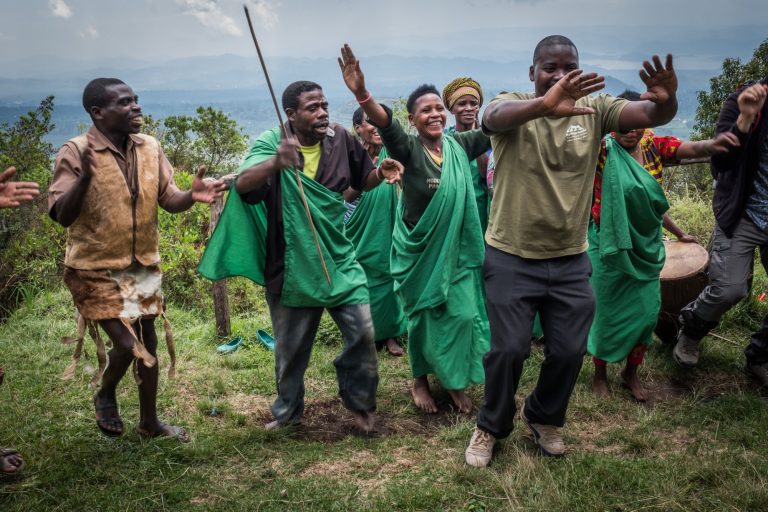

10 Days Uganda Cultural Tour
by Insight Safari Holidays Verified operator
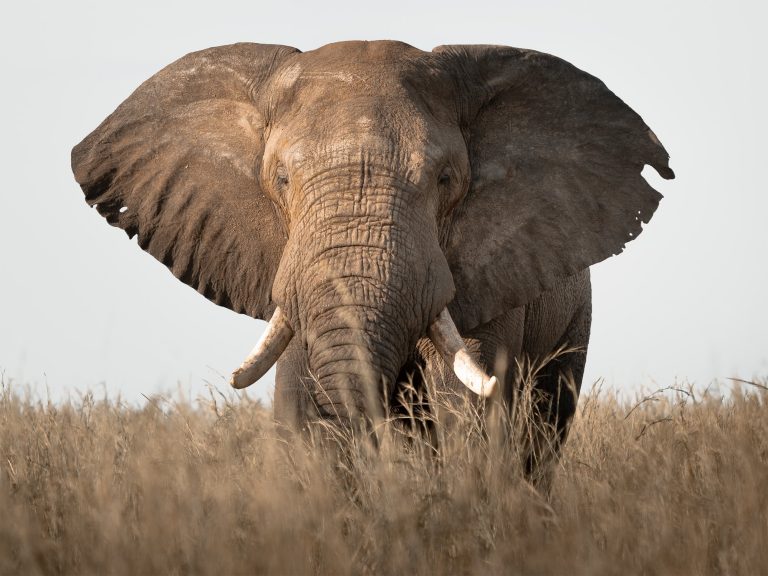

15 Days Uganda Safari
by Wild Whispers Africa Verified operator
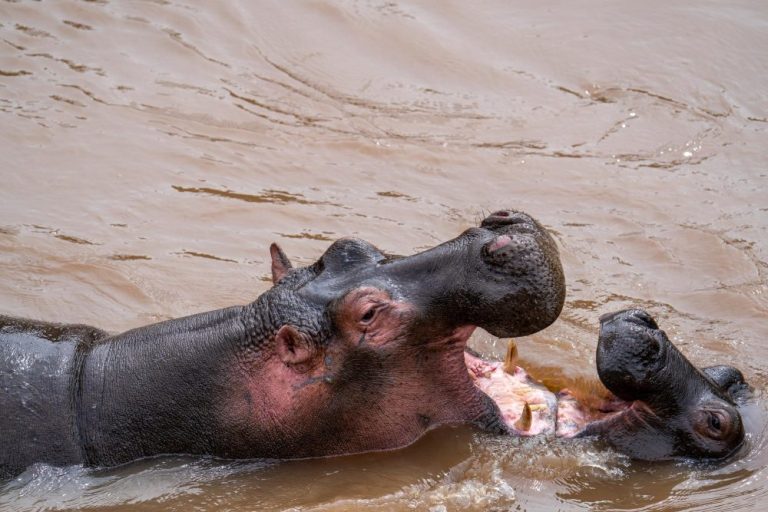

15 Days Best of Uganda Safari
by Tranquil Safaris Verified operator