
Golden Monkey Tracking Tours in Mgahinga: Uganda's Cheapest Trek
Tracking the endangered golden monkey in the bamboo zone of Mgahinga Gorilla National Park, with a longer habituation option available.
Golden monkey tracking happens at Mgahinga Gorilla National Park and nowhere else in Uganda. The golden monkey is an endangered subspecies of blue monkey restricted to the Virunga volcanoes, living in bamboo at altitude in troops of around a hundred. It is the least demanding of the country's primate walks and pairs naturally with a gorilla trek.
Safaris That Include Golden Monkey Tracking
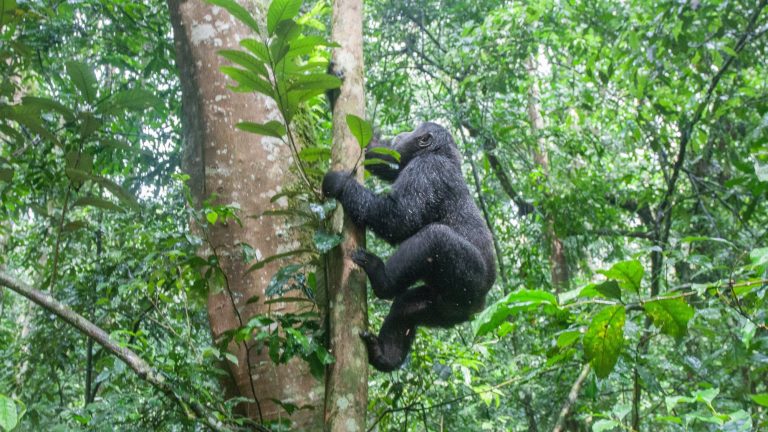

11 Days Uganda Primates Safari
by Tranquil Safaris Verified operator
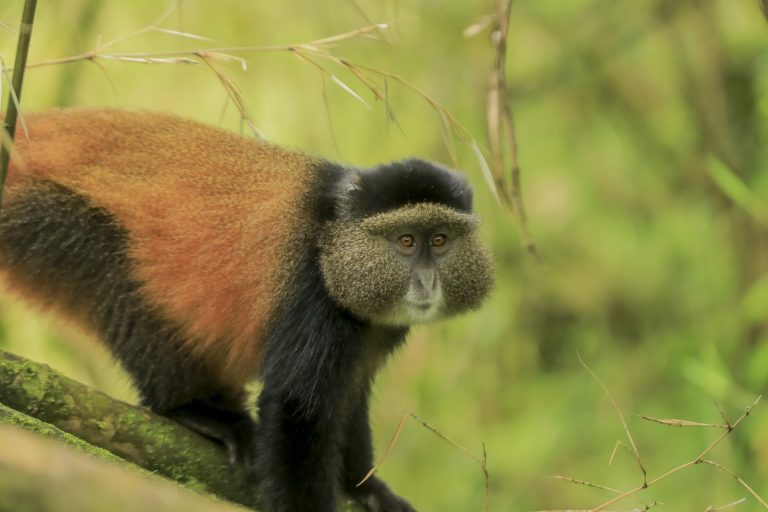 Photo: Wood Wildlife Photography / CC BY-SA 4.0
4 Days Uganda Golden Monkey Trek
by Tranquil Safaris Verified operator
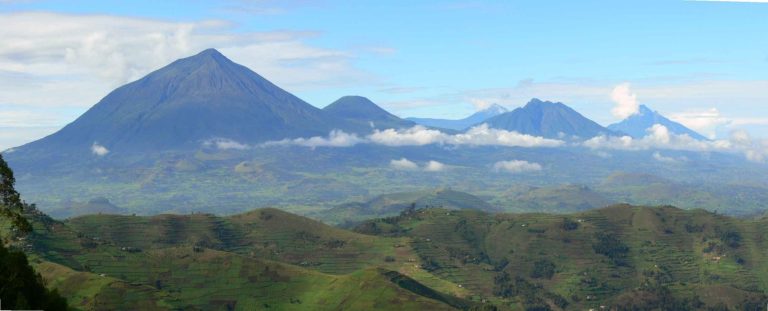 Photo: Byekwaso Blasio / CC BY-SA 4.0

7 Days Mount Mgahinga Gorillas, Golden Monkey and Volcano Hike
by Insight Safari Holidays Verified operator
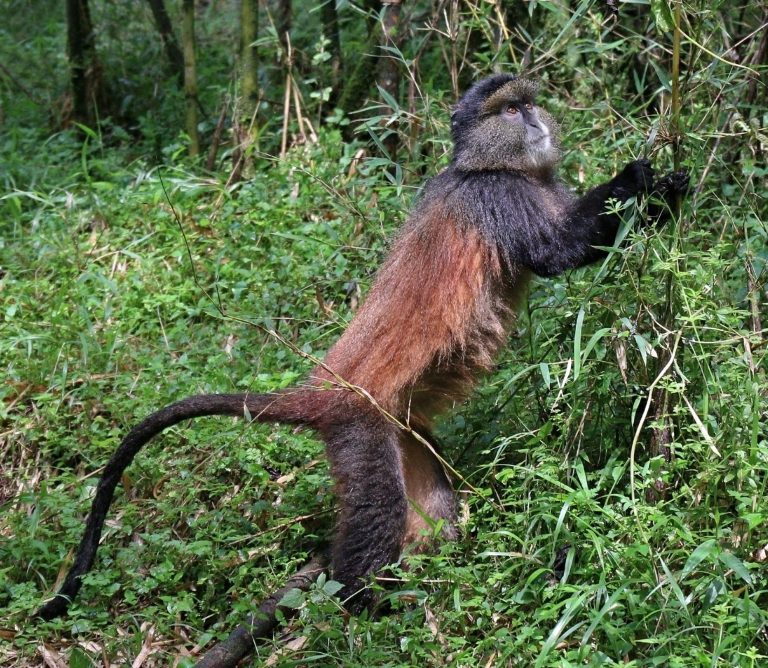 Photo: Charles J. Sharp / CC BY-SA 4.0
4 Days Golden Monkey Trekking in Uganda
by Insight Safari Holidays Verified operator
A Guide to Golden Monkey Tracking in Uganda
What a Golden Monkey Tracking Trek Involves
Golden monkey tracking is the quietest and least expensive of Uganda's primate activities, and the only one you can add to a gorilla trip without reshaping the itinerary around it. You walk into bamboo at altitude with a ranger, find a habituated troop, and spend an hour with animals that move constantly and rarely sit still for a camera.
The golden monkey is a subspecies of the blue monkey, restricted to the Virunga volcanoes and classed as endangered. The wildlife authority puts the population at 2,000 to 4,000 animals across a range covering Uganda, Rwanda and eastern Congo.
They live in troops of around a hundred led by an alpha male, feeding on bamboo shoots and leaves, seasonal fruit, lichens, flowers and small invertebrates. The fur is the thing people remember: bright orange gold across the back and flanks, against the dark of a bamboo stand.
Mgahinga: Uganda's Only Golden Monkey Tracking Site
Mgahinga Gorilla National Park is the smallest national park in Uganda at 33.7 square kilometres, sitting under three extinct volcanoes on the border with Rwanda and Congo. The highest of them reaches 4,127 metres.
Small has consequences. The one habituated gorilla group crosses international borders as it pleases, so gorilla trekking here is less dependable than in Bwindi. Golden monkeys have no such problem: the troops stay in the bamboo on the Ugandan side and the activity runs consistently.
The park is also quiet. Visitor numbers are a fraction of those further east, and a morning here feels closer to a walk in the mountains than to a queue at a trailhead.
How the Tracking Morning Runs at Ntebeko
Everything starts at the Ntebeko visitor centre near Kisoro, with registration and a briefing at around eight. From there you walk up into the bamboo belt with a ranger and, if the troop has moved, a tracker sent ahead.
The walk is moderate by Ugandan primate standards: an hour or two uphill, through cultivated land and then bamboo, at an altitude anyone who arrived from sea level will feel. It is cold before the sun clears the volcanoes.
Finding the troop is usually straightforward. Watching them is the harder part. Golden monkeys move fast through bamboo, drop out of view, reappear five metres away and leave again. The hour is lively rather than contemplative, and photographers find it far more demanding than a gorilla hour.
Golden Monkey Habituation: The Longer Experience
Alongside ordinary tracking, the wildlife authority runs a longer habituation option with the semi habituated troops. You spend extended time with the researchers doing the settling work rather than an hour with a finished group.
It costs more, takes most of a morning, and the animals are correspondingly less relaxed. Anyone who already knows they enjoy watching primate behaviour will prefer it. For most visitors passing once through the southwest, the standard hour is enough.
Pairing Golden Monkey Tracking with a Gorilla Trek
This is how almost everyone does it, and the geography makes it easy. Mgahinga sits about an hour and a half from the Rushaga and Nkuringo sectors of Bwindi.
The common shape is a gorilla trek one day and golden monkeys the next, which uses the second morning without adding a hard day. The walk finishes by early afternoon, so it also fits on a travel day that ends somewhere else.
Best Months for a Golden Monkey Tracking Trip
The activity runs all year. What the season changes is the walking and the road, not the animals, since golden monkeys are resident and stay in the same bamboo.
June to September and December to February give firmer ground and easier driving on the road up from Kisoro. In the wetter stretches the trails are heavy and the bamboo drips on you for the whole hour, which is worth knowing before you dismiss a rain layer.
One seasonal detail does move the animals slightly. Bamboo shooting after rain concentrates troops in the areas where the new growth is, which can shorten the walk. Our month by month guide to the best time to visit Uganda sets out the rainfall pattern for the southwest.
Who the Trek Suits, and What to Wear
It suits almost anyone who can manage a couple of hours of uphill walking at altitude, and it is the primate activity most often recommended to travellers who were not sure they wanted one.
Boots with grip, long trousers and a rain layer are the whole list. Bamboo floors stay wet and slippery even in the dry months. Take gloves, since stinging nettles grow thickly through the bamboo, and something warm for the start: Mgahinga at that altitude is cold at eight in the morning.
Prior booking is required. This is not an activity you can turn up for, and it still sells out far less often than the gorilla permits.
How to Arrange a Golden Monkey Tour
Almost nobody buys a golden monkey trip alone. It is added to a gorilla itinerary as an extra day, which reflects how the activity is sold rather than how available it is.
The practical route is to take any operator running gorilla trekking trips in the southwest and ask for a Mgahinga morning and a second night near Kisoro. Any company working Bwindi's southern sectors can arrange it.
Frequently Asked Questions About Golden Monkey Tracking
What does golden monkey tracking cost? The wildlife authority charges a foreign non resident USD 60 for golden monkey tracking at Mgahinga and USD 100 for the longer habituation option. Unlike a gorilla permit, neither includes park entrance, so the Mgahinga entrance of around USD 40 per person for each twenty four hour period is charged separately. That is why operator pages often quote a round hundred for the activity, and why two published figures are rarely comparing the same thing.
How hard is the walk? Moderate. Usually one to two hours of uphill walking through farmland and bamboo, at altitude. The wildlife authority notes it is less strenuous than gorilla tracking, partly because golden monkeys do not build a new nest each night.
Is there a minimum age? The rules are less restrictive than for gorilla and chimpanzee tracking, which is why families with older children often use this activity instead. Confirm the current limit with your operator, since the age gates differ by activity and do change.
Will I get good photographs? Honestly, it is difficult. The troop moves quickly through dense bamboo in mixed light and rarely holds still. Most people come away with fewer frames than they expected and a better morning than the photographs suggest.
Can I see golden monkeys anywhere else? In Uganda, no. Mgahinga is the only site. The same subspecies is tracked in Rwanda's Volcanoes National Park across the border, at a higher permit price, and occurs in eastern Congo.
Is it worth a day if I am already trekking gorillas? For most people, yes, because it costs a fraction of the gorilla permit and shows a completely different animal in a different forest type. It is the cheapest way to turn a single gorilla stop into a two night primate leg.
The way to arrange a golden monkey morning is to write to an independent Ugandan operator running gorilla trips in the southwest and ask them to add a Mgahinga morning to the itinerary. We take no booking and charge you nothing.