
Uganda Chimpanzee Tracking Tours: Which Forest, Which Trip
A forest walk to a habituated chimpanzee community, with one hour of viewing. Run in Kibale, Kyambura Gorge, Budongo, Kalinzu and on Ngamba Island.
Chimpanzee tracking in Uganda runs at six places, and which one a trip uses matters more than the price. Kibale is the anchor, holding over 1,500 chimpanzees across at least twelve communities, with Kyambura Gorge, Kalinzu, Budongo, Toro Semliki and Ngamba Island each doing something different. Most tours fold the hour into a wider primate and savanna route.
Safaris That Include Chimpanzee Tracking


6 Days Uganda Gorilla Safari
by Kori Safaris Verified operator
From $2,200 per person
View Safari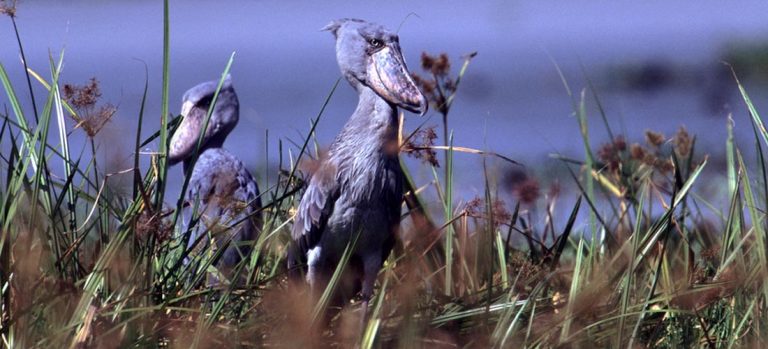
4 Days Queen Wildlife Viewing, Kibale Chimps tracking
by Kori Safaris Verified operator
From $1,050 per person
View Safari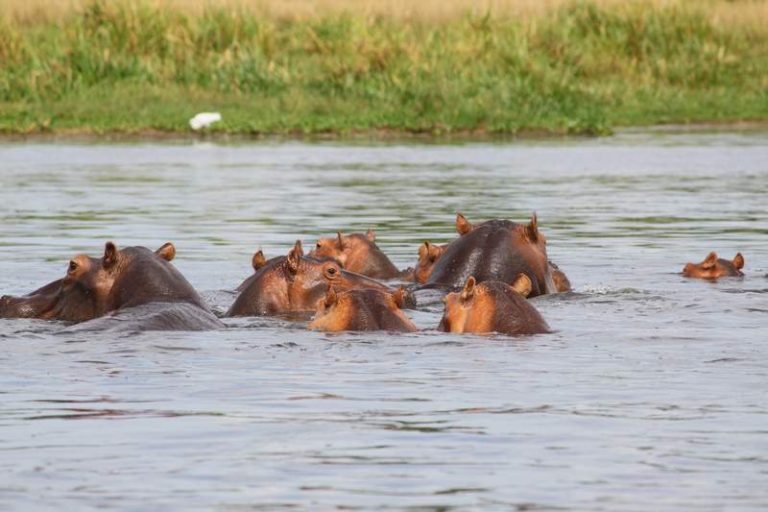

15 Days Uganda Wildlife & Primate Safari
by Oree Safaris Verified operator
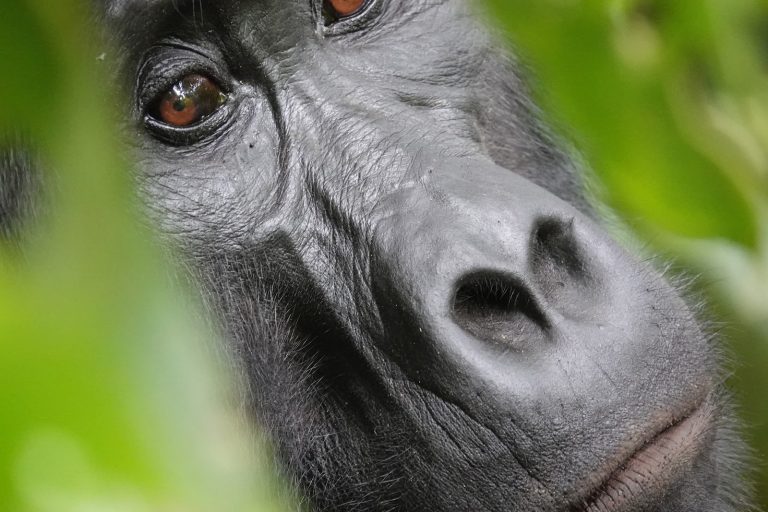

7 Days Uganda Safari, Gorillas, Wildlife & Chimps
by Insight Safari Holidays Verified operator


3 days Ngamba Island Tour
by Wild Whispers Africa Verified operator

Bwindi Gorilla Safari 3 Days
by Kori Safaris Verified operator
From $1,133 per person
View SafariSee all 22 safaris that include chimpanzee tracking
A Guide to Chimpanzee Tracking in Uganda
How a Chimpanzee Tracking Safari Day Actually Runs
Chimpanzee tracking in Uganda is a scheduled forest walk rather than an all day pursuit. You report to the visitor centre for a briefing, you go out with a ranger and a small group, and you get one hour with the chimpanzees once the group is found. At Kibale the walks leave at eight in the morning, eleven and two in the afternoon, and typically run two to five hours in total.
The hour is the fixed part. Getting to it is not. Chimpanzees move fast, feed high in fruiting trees and cover ground in a way gorillas do not, so the walk can be twenty minutes of flat trail or three hours of scrambling after calls. Trackers go out ahead, which is why the ranger often knows roughly where the group sat at dawn.
What people are least prepared for is the noise. A chimpanzee community announces itself: screams, pant hoots, drumming on buttress roots, all of it carrying through closed canopy long before anything is visible. Then the group moves and you move with it, usually looking upward with your neck at an awkward angle.
The wildlife authority limits each tracking group to six visitors and sets a minimum age of sixteen. Both of those decide who can come, and the age limit in particular catches families out at the booking stage.
Where Chimpanzee Tracking Tours Go in Uganda
Six places in Uganda sell time with chimpanzees, and they are not interchangeable. Two sit inside national parks and are priced by the wildlife authority. Two are forest reserves run by the National Forestry Authority. One is an island refuge on Lake Victoria, and one is a research site in a hot valley in the west.
The site a tour picks is usually decided by the rest of the route rather than by the chimpanzees. A trip already heading to Queen Elizabeth will use Kyambura because it is on the way. A trip built around primates goes to Kibale and accepts the extra driving.
Why Kibale Anchors Most Chimpanzee Tracking Trips
If a trip has one chimpanzee day in it, that day is usually at Kibale, and the reasoning is sound. The park holds one of the largest wild chimpanzee populations in Uganda, the tracked community has been habituated for a long time, and the trail network is worked daily by rangers who know where the group slept.
Thirteen primate species live in the same forest, which changes the walk. Red colobus, black and white colobus, grey cheeked mangabey and L'Hoest's monkey turn up on the way in, so even a morning that goes badly rarely goes empty.
The other Kibale detail worth knowing is the swamp walk at Bigodi, on the edge of the park and run by the neighbouring community rather than by the wildlife authority. It is a separate booking, it is cheap, and it is the standard afternoon after a morning of tracking.
The constraint is position. Kibale sits near Fort Portal in the west, four to five hours from Kampala and a long way from Bwindi. A trip that wants both gorillas and Kibale chimpanzees needs the days to absorb that drive, which is why so many chimpanzee itineraries run six days or longer.
Gorge, Forest and Island Alternatives to a Kibale Chimp Tour
Kyambura Gorge is the alternative most travellers meet, because it sits inside Queen Elizabeth and adds only half a morning to an existing stop. The gorge itself is worth the walk: a river forest sunk below open savanna, entered by scrambling down the side. The chimpanzee community there is small and cut off from other populations, and groups do not find them every morning. Nobody should sell it as a certainty, and the good operators do not.
Kalinzu and Budongo are the quiet options. Both are forestry reserves rather than national parks, so their fees sit outside the wildlife authority's tariff and are set separately. Quoted rates for both disagree sharply across tour sites, by margins too large to average, so treat any figure you read as a prompt to ask rather than a price. What is consistent is that both cost less than Kibale and carry a fraction of the visitors.
Ngamba Island deserves plain language. The chimpanzees there are orphans, mostly confiscated from the illegal trade, living on a forested island with supplementary feeding. Visiting is a genuinely worthwhile half day from Entebbe and it supports the animals' care. It is not chimpanzee tracking, and a tour that presents it as one is blurring something it should not.
How Long a Chimpanzee Tracking Trip Needs to Be
Three days is the honest minimum for a dedicated trip, and the shortest dedicated version runs exactly that way: out from Kampala or Entebbe, a night near the forest, track in the morning, drive back. It works and it is a long way to drive for one hour.
Four or five days lets the forest become a stop rather than a target, with Queen Elizabeth or the crater lakes around Fort Portal filling the rest. That is where most of the listings sit.
Anything longer and chimpanzee tracking becomes one line on a primate and wildlife circuit that also carries gorillas and savanna game. Several trips here run six, seven, nine or fifteen days on exactly that pattern. Our guide to how many days you need in Uganda sets out what fits into each length.
Best Months for Chimpanzee Tracking Safaris
Chimpanzee tracking runs all year and the wetter months are not closed. What changes is the walking and, to an argued extent, the animals.
The drier stretches, roughly June to September and December to February, give firmer trails and easier driving on the forest access roads. That alone is why most operators push those months.
The argument about fruiting is less settled than tour pages suggest. Some sources hold that chimpanzees are easier to find in the wetter months because fruit is abundant and communities stay lower and more concentrated; others report exactly the opposite, with groups ranging widely when food is everywhere. Both positions are published by people who work in these forests. The practical reading is that season moves your walking conditions reliably and your odds only mildly. Our month by month guide to the best time to visit Uganda covers the rainfall pattern in detail.
What Changes Your Odds on a Chimpanzee Trek
Four things move the outcome, and only one of them is luck.
Take the first session of the day where you can. Chimpanzees are noisiest and most mobile in the early morning, and trackers have fresh information from the nesting site.
Pick a site with a long habituation history. A community that has been visited for years behaves differently around people than one still being worked on, which is the real gap between Kibale and the smaller sites.
Accept that this is a walk, not a viewing platform. Trails are muddy, the ground is uneven and the group can move while you are still catching up. Waterproof boots with grip matter more here than anything else you carry.
Last, go twice if the trip allows. Two mornings at the same forest cost less than most people expect and turn a single roll of the dice into something closer to a fair test. Sightings are never guaranteed at any of these sites.
Where the Habituation Experience Fits on a Chimpanzee Tour
The full day option at Kibale is a different product and has its own page here. Instead of one hour with a settled community, you join the team following a group still being habituated, from the moment they leave their nests until they build new ones. It runs several times longer, costs more and carries a far smaller daily allocation.
It is not a better version of tracking for everyone. The animals are less comfortable with people by definition, and a long day can involve a lot of waiting. Our chimpanzee habituation guide sets out who it suits and how the day is structured.
Frequently Asked Questions About Chimpanzee Tracking in Uganda
What does a chimpanzee permit cost? The wildlife authority charges a foreign non resident USD 250 at Kibale and USD 100 at Kyambura Gorge, with a published revision taking Kibale to USD 300 and Kyambura to USD 200 from the first of January. A discounted low season rate of USD 200 applies in April, May and November. The Kibale fee includes park entrance and the nature walk on the day; the Kyambura fee excludes the roughly USD 40 park entrance, which is charged separately. Kalinzu and Budongo are forestry reserves outside that tariff and their rates are quoted inconsistently, so confirm them with the operator rather than trusting a published figure.
How likely am I to see chimpanzees? At Kibale, most groups find them on most mornings, and rangers are frank when a community has moved far. At Kyambura the odds are lower and the walk is harder. No site guarantees a sighting, and an operator who offers one is not describing a wild animal.
Is chimpanzee tracking harder than gorilla trekking? Different rather than harder. Gorilla treks tend to be steeper and longer; chimpanzee walks are flatter but faster, with more sudden bursts of following a group that has decided to move. People who struggle with uneven footing find chimpanzee tracking more awkward than they expect.
Can children come? Not at sixteen and under, which is the wildlife authority's rule for tracking. Families travelling with younger children often use Ngamba Island near Entebbe instead, where the visit is boat based and the setting controlled.
What should I wear? Long trousers, long sleeves, boots with grip and a rain layer, whatever the forecast says. Forest floors stay wet. Gaiters or tucked socks help against safari ants, which are the genuine nuisance of a Ugandan forest walk.
Can I track chimpanzees and gorillas on the same trip? Yes, and many Uganda itineraries are built to do exactly that. The two forests sit at opposite ends of the western circuit, so allow a full driving day between them rather than treating them as neighbours.
Every chimpanzee safari on this marketplace is sold and run by an independent Ugandan tour company. Tell the operator behind the trip you like which forest you want, your dates and your group size, and they will reply with a real itinerary and a real quote. We take no booking and charge you nothing.