
Community Tourism in Uganda: Trips the Village Actually Owns
Community-run walks, homestays and craft projects, such as the Bigodi Wetland Sanctuary walk and the Buhoma village trail, where fees stay with the village.
Community tourism in Uganda means the enterprise belongs to the people you visit: a local association owns the walk, employs the guides and decides what the takings fund. Bigodi beside Kibale, the Buhoma association at Bwindi, Ride 4 a Woman and the Katwe salt works are the established examples, and a fifth of national park revenue reaches boundary villages separately.
Safaris That Include Community Tourism


4 Days Uganda Honeymoon Safari
by Oree Safaris Verified operator
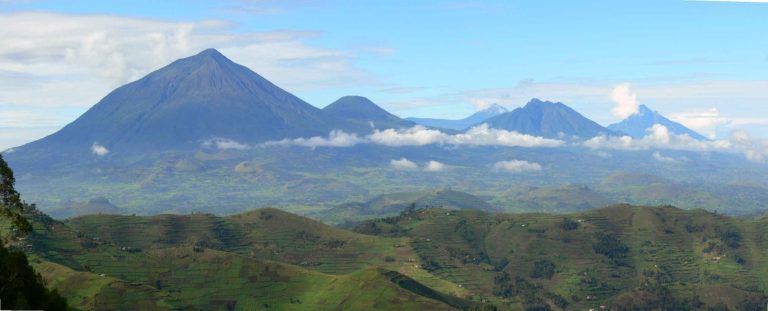 Photo: Byekwaso Blasio / CC BY-SA 4.0

7 Days Mount Mgahinga Gorillas, Golden Monkey and Volcano Hike
by Insight Safari Holidays Verified operator

5 Days Chimps & Gorilla Safari
by Oree Safaris Verified operator


3 Days Chimpanzee Double Tracking Safari
by Ancient Africa Safaris Verified operator
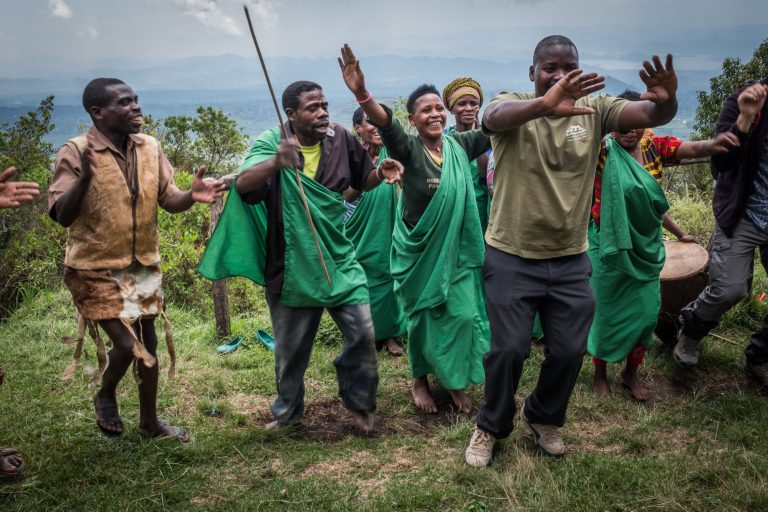
10 Days Uganda Cultural Tour
by Insight Safari Holidays Verified operator
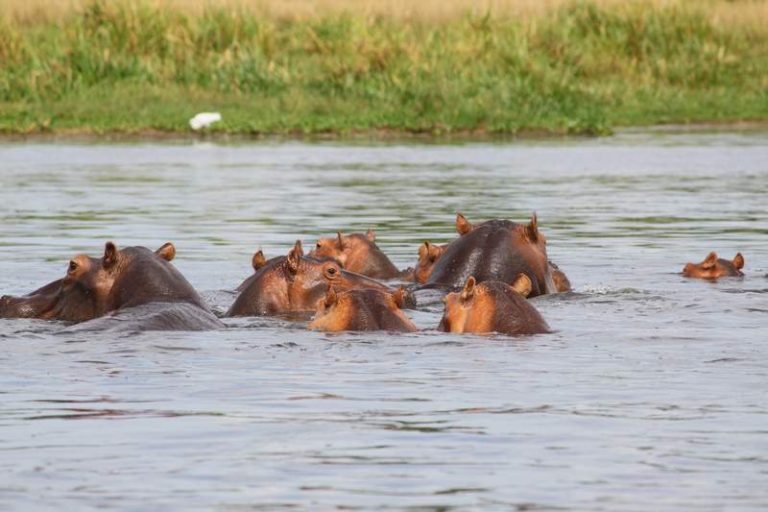
15 Days Uganda Wildlife & Primate Safari
by Oree Safaris Verified operator
See all 8 safaris that include community tourism
Community Tourism Guide in Uganda
What Community Tourism Means on a Uganda Trip
Community tourism in Uganda has one defining feature, and it is not the content of the visit. It is ownership. The walk, the guest house, the craft shop or the guiding service belongs to a local association, which hires the guides, banks the takings and votes on what the surplus pays for. Nobody outside the village takes a margin on the core product.
That is a narrow definition and it excludes a great deal of what gets marketed under the same words. A lodge that sends guests to a nearby group for an hour of dancing is doing outreach, which may be worth having, though it is not the same thing. The gap between the two is why this page exists separately from our cultural tour guide, which covers operator arranged visits.
Uganda happens to be unusually strong on the owned version. The Uganda Community Tourism Association has run as a national umbrella since the late nineteen nineties, with over seventy member groups representing roughly two thousand people, close to two thirds of them women. Members run basic lodging, guiding, restaurants, craft outlets and music and dance groups, and the association trains them in guiding, hospitality, bookkeeping and site management.
Community Owned Against Operator Arranged: the Test for Any Tour
Ask who the cheque is written to. It sounds blunt and it settles the question faster than any brochure paragraph.
Bigodi and the Kibale Community Walk on a Primate Safari
Bigodi is the case study the rest of the country points at. The village sits on the edge of Kibale National Park, forty kilometres or so from Fort Portal, and its wetland reserve is run by KAFRED, an association local people set up in the early nineteen nineties to hold the swamp and earn from it at the same time.
Two products run there. The boardwalk walk through the papyrus is the birding and primate one, worked slowly with a member guide. The cultural village walk runs three to four hours and takes in a traditional healer, elders' homesteads, the primary school, a church and the trading centre, with the women's group selling baskets at the end.
What the money built is on the record and visible from the road: Bigodi Secondary School, boreholes, footbridges over the swamp, the village road, contributions to teacher pay, small loans to households for stock or school fees, and a scholarship scheme. Thirty years of takings turned into infrastructure rather than into a single family's house, which is harder than it sounds and is the reason the model gets cited.
Most visitors add it to a chimpanzee tracking morning, since the forest and the village share a road. Our chimpanzee tracking guide covers the tracking side.
Buhoma: Community Tourism Built Around a Gorilla Trek
At Bwindi, the Buhoma sector carries the densest cluster of community run enterprises in Uganda, because gorilla money arrives there in volume and several groups organised early to hold a share of it.
The Buhoma Community Development Association runs the village walk, two to four hours through a weaving and tailoring centre, a healer, the banana brewery and a primary school. The Bwindi Community Guest House channels its income into Bwindi Community Hospital, a not for profit hospital under the Church of Uganda serving well over a hundred thousand people, with specialist services used nationally. Staying a night there is a straightforward transfer of money into healthcare.
Trek day is not the day for any of this. Gorilla trekking can run eight hours on steep ground and most people are finished afterwards. Build the village into the following morning. Our gorilla trekking guide explains how the day itself works.
Ride 4 a Woman and Women Led Enterprises on a Bwindi Tour
Ride 4 a Woman sits in Buhoma town and was set up to support women dealing with HIV, domestic violence and poverty. Over three hundred women from eleven villages pass through it, around sixty on any given working day, and the centre runs sewing, weaving, drumming, dance and a microloan scheme with more than a hundred borrowers.
For a visitor the centre is a weaving and sewing workshop you can sit in rather than a performance you watch. You can learn to weave a basket badly under supervision, buy one made properly, or rent a bicycle. Proceeds run into schooling, loans, healthcare and local environmental work.
Women led groups are the norm rather than the exception in Ugandan community tourism, which follows from the association membership figures. Craft income tends to be the part of a household budget women control, and a basket sale at the end of a walk is often the single largest cash transfer of the visit.
Katwe Salt Works: a Working Industry Tour, Not a Display
Lake Katwe, inside Queen Elizabeth National Park, is a salt crater that local families have worked for centuries, with salt pans held and inherited like farmland. Visits are arranged through the Katwe tourism information centre, and the guide is usually someone who mines.
The work is done by hand, standing in brine, with no machinery. The health cost is documented in the Ugandan press and by medical staff locally: brine cuts the skin, ulcers and infections are common, and protective gear either is not available or fills with water once a miner bends into a deeper pan. Some workers seal wounds with a plastic bag and glue, which corrodes the skin in its own way.
Knowing that before you arrive changes the visit, and it should. This is an industrial site where people are injured earning a living, not a scenic stop. Go with a guide from the centre, pay the fee, buy salt, ask before photographing anyone in the pans, and do not treat the pans as a backdrop.
Karamoja Community Tourism Trips in the Northeast
Tourism reached Karamoja late, which turned out to be an advantage. Guiding there is done largely by local youth working with elders, homestead visits are arranged household by household, and the operators based in Moroto are unusually direct in saying that traditions in the region are lived rather than staged for arrivals.
A typical trip pairs a manyatta visit with a walk on Mount Moroto, a kraal night with herders, beadwork, and whatever the agricultural calendar is doing that week. The September cultural festival rotates around the Karamoja districts and draws Ateker communities from Kenya, South Sudan and Ethiopia, and it is a community event that visitors attend rather than an event built for visitors.
Most people combine this with Kidepo Valley, since the drive up is long and the two share the route. Our transport guide covers whether to fly or drive it.
How Park Revenue Reaches Villages Beside Your Safari
There is a second channel worth knowing about, because it runs whether or not you do a community activity. Under the revenue sharing scheme, the Uganda Wildlife Authority passes a fifth of annual park revenue to communities on park boundaries, plus a fixed sum from every gorilla permit at Bwindi. Districts keep a small administrative slice and pass the rest to sub counties, and only frontline villages qualify, on the reasoning that they carry the crop raiding and the lost access.
Bwindi also runs multiple use zones, where registered forest societies may harvest specified plants inside the park, including medicinal species and basketry materials, with off take recorded after each season. Published research on the two most harvested medicinal plants there found recent harvest levels within what the populations can carry. It is an unusual arrangement for a national park and it exists because the alternative was permanent conflict with the people the park displaced.
Where Community Tourism Goes Wrong on a Uganda Tour
The word community does a lot of unearned work in travel marketing, and a page that only praises these projects is not being honest with you.
Three failures recur. Takeover, where a committee chairman or a well connected family absorbs the guiding jobs and the takings while the label stays put. Volume, where a project built for four groups a week starts taking twenty and turns into a conveyor. And dependence, where a village restructures around visitors and then a bad season or a closed border removes the income with nothing behind it.
None of these is a reason to skip community tourism. They are a reason to ask the same questions you would ask about any business: how long has it run, who sits on the committee, what did last year's surplus buy, how many visitors come in a week. Projects doing it properly answer quickly, because they are proud of the answers.
Uganda safaris are run by independent Ugandan operators, and many include a community walk in the itinerary. Ask which association runs it and what the fee funds. A operator who has to check is at least asking the right people.
Frequently Asked Questions About Community Tourism Trips
How much of what I pay actually reaches the community? On a genuinely owned product, all of the activity fee, since the association is the seller. Community village walks at Bigodi and Buhoma are priced by the associations that run them, and the published figures for Bigodi vary widely enough that our Bigodi page sets out each source instead of quoting one. Craft purchases on top of the fee often exceed it. Where an operator arranges the visit, the split is theirs to disclose and you should ask. The national park channel is separate and fixed: a fifth of park revenue goes to boundary communities, and every Bwindi gorilla permit carries a USD 10 community share on top of the USD 800 price.
Is community tourism worth the time on a short safari? On a trip of a week or more, yes, and the village walks slot into mornings that would otherwise be transfer days. On a four day gorilla run, be honest about the schedule rather than squeezing a village into forty minutes. Our guide to how many days you need covers the trade.
How do I tell a real community project from a branded one? Ask for the name of the association and what the last surplus paid for. Real projects answer in specifics, usually with a building you can go and look at. Vague answers about supporting the local community are the tell.
Can I stay in community run accommodation? Yes. Several groups run guest houses and bandas, mostly simple rather than comfortable: clean rooms, shared or basic bathrooms, local food, no generator running all night. The Bwindi Community Guest House at Buhoma is the best known and funds the hospital.
What should I actually buy? Baskets, mats, bark cloth, beadwork, coffee and honey, bought at the group and paid for at the asking price. Haggling hard on a craft stall after a safari that cost thousands is a poor look, and the margin you are arguing over is somebody's school fees.
Are these visits suitable for children or older travellers? Both, more so than most safari activities. Village walks are flat, slow and short, with no altitude and no early start, and Ugandan hosts are relaxed about children. The one thing to agree beforehand is that nobody hands out money or sweets to local children.
Every safari on this marketplace belongs to an independent Ugandan operator. Tell the one you like which community projects you want in the itinerary and ask them to name the associations involved. We take no booking and charge you nothing.