
Uganda Nature Walk Tours: Forest and Swamp Trails Worth Doing
A guided forest or wetland trail focused on primates, butterflies, trees and birds rather than big game.
A Uganda nature walk is a guided hour or two on a forest or wetland trail, on foot, with a ranger or community guide setting the pace. Bigodi, Kibale, Budongo, Mabira, Maramagambo and the crater rims are where they happen. Low effort and high guiding value, it is the activity most often slotted into the gaps around gorilla and chimpanzee permits.
Safaris That Include Nature Walk
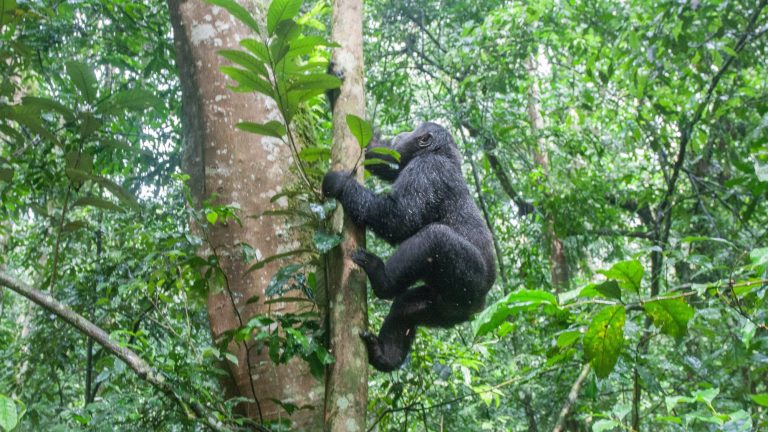

11 Days Uganda Primates Safari
by Tranquil Safaris Verified operator
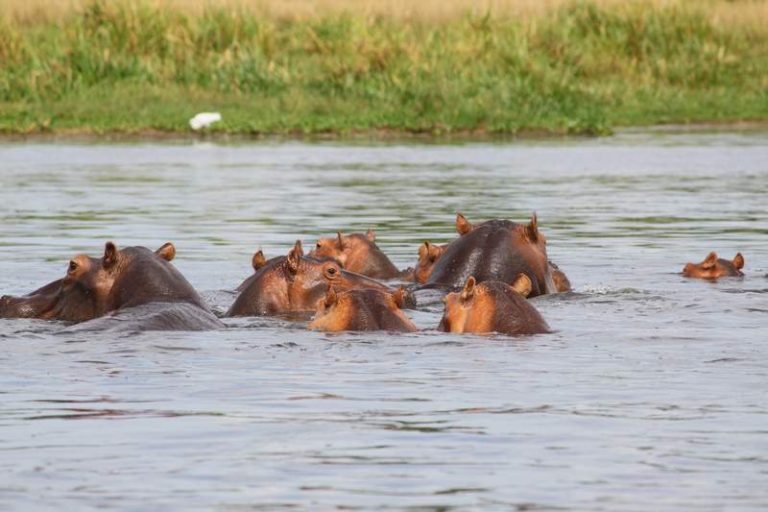

15 Days Uganda Wildlife & Primate Safari
by Oree Safaris Verified operator
 Photo: Jiame Josh / CC BY-SA 4.0

3 Days Ssese Islands
by Wild Whispers Africa Verified operator
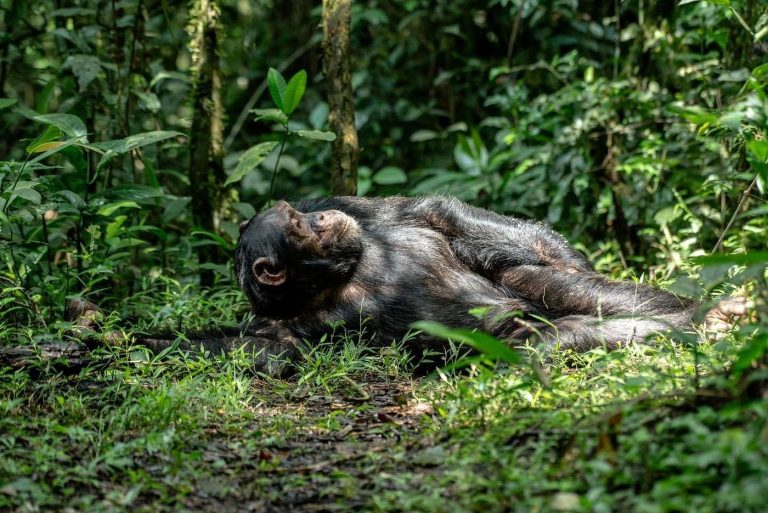

Chimpanzee Tracking Adventure
by Ancient Africa Safaris Verified operator
From $2,900 per person
View Safari
3 Days Gorilla Safari Uganda
by Oree Safaris Verified operator
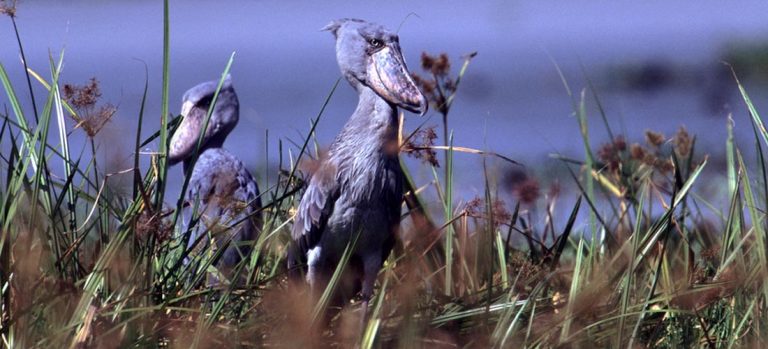

4 Days Queen Wildlife Viewing, Kibale Chimps tracking
by Kori Safaris Verified operator
From $1,050 per person
View SafariSee all 16 safaris that include nature walk
A Guide to Nature Walks in Uganda
What a Uganda Nature Walk Tour Actually Involves
A Uganda nature walk tour is a guided hour or two on a forest or wetland trail, on foot, at the pace of whoever walks slowest. No vehicle. Usually no big game. What you get instead is a guide who stops every few minutes to point at something you would have walked straight past, and that is the whole value of the activity.
Most walks run between one and three hours. Trails are flat to gently rolling, often on boardwalk where the ground is swamp, and the demand is low enough that it suits almost everybody. Older travellers do these walks. So do families with children who would be restless in a vehicle for six hours.
The content changes completely depending on where you are. In Kibale the walk is about primates overhead. At Bigodi it is swamp birds and the community that runs the place. In Budongo it is mahogany, chimpanzee nesting and one of the best birding tracks in the country. Same activity, four different mornings.
Bigodi Swamp and Kibale Forest Nature Walk Tours
If a Uganda itinerary contains one guided nature walk, it is usually this one. Bigodi sits just outside the Kibale boundary, at the trading centre of the same name, and the walk is managed by the Kibale Association for Rural and Environmental Development. Ticket money goes to community projects rather than to the wildlife authority, which is unusual and which is why the guides here talk about the village as much as the swamp.
The trail loops through Magombe swamp on a mix of dirt path and boardwalk. Papyrus, wild palm, thick undergrowth. You look up as much as ahead: eight primate species use the swamp, and the great blue turaco everybody wants to photograph is a large clumsy bird that gives itself away by crashing through the canopy.
Take the village add on if the morning allows. It runs another hour, past a traditional healer, smallholdings and the projects the ticket funds. Some travellers find that part staged. Most do not.
Inside the park itself, walking is a softer alternative to chimpanzee tracking. You get the forest without the fast march and without the hour clock that governs a tracking permit. Full detail on the park sits in our Kibale National Park guide, and the tracking activity has its own page under chimpanzee tracking.
Budongo and the Royal Mile: Forest Walking Tours Off the Murchison Road
Budongo is the largest mahogany forest left in East Africa, and it sits on the road most people take into Murchison Falls, which makes it the easiest forest stop in the country to add to a plan already made.
The Royal Mile is why birders come. It is a straight avenue cut through mature forest near the old research station at Busingiro, wide enough that light reaches the track and you can see into the canopy, which is the problem everywhere else. Chocolate backed kingfisher, Ituri batis, yellow footed flycatcher. Walk it slowly, from first light, with someone who knows the calls.
Kaniyo Pabidi, the northern block, is the one you pass on the way to the park gate. Walks here are shorter and they overlap with the chimpanzee groups, so ask which you are buying. Our Budongo Forest guide covers both sectors.
Mabira Forest Walking Tours Between Kampala and Jinja
Mabira is the forest most visitors drive past without noticing. It straddles the Kampala to Jinja highway about fifty kilometres out, and it answers the problem of one spare morning and no appetite for a long transfer.
The walking is easy: marked trails through regenerating forest, a river, the Griffin waterfall, red tailed monkeys and grey cheeked mangabeys if the group stays quiet. Birders come for Nahan's francolin. Trails turn muddy after rain and the mud here is the slick red kind. It pairs naturally with a Jinja day, which is how most people do it, and the forest itself sits on the Mabira Forest page.
Nature Walk Tours in Queen Elizabeth: Maramagambo, Kalinzu and the Crater Rims
Queen Elizabeth is a game park, so walking there surprises people. It should not. The park holds a large block of forest at Maramagambo and a chain of explosion craters in the north, and both are walked on foot with a ranger.
Maramagambo's best known feature is the bat cave, and the honest version matters: the cave was closed after a Marburg infection was linked to it, and what exists now is a screened platform outside the entrance. You look in. You do not go in. Pythons live in the cave floor and feed on the bats, and on a good day one is visible through the screen. On most days it is bats and the smell of guano.
Kalinzu, just outside the boundary on the Ishaka road, is what people choose when Kibale is full or too far. Chimpanzee groups are habituated here and the trails are open to plain walking. The Kalinzu Forest Reserve page and the Queen Elizabeth National Park guide go further into each.
The crater rim walks in the north are different again, closer to the crater walking around Fort Portal: open ground, a short steep pull to a rim, flamingos on the salt lakes below when the water is right.
Night Forest Tours and What a Torch Changes
A night walk is the same trail and a different forest. Kibale runs them and so do several reserves, starting after dark, lasting ninety minutes or so, with a ranger carrying the torch and everyone else walking into the backs of each other.
The targets are nocturnal: potto, bushbaby, tree hyrax, the occasional civet. Eyes reflect before shapes resolve, so most sightings begin as two dots. Frogs and insects dominate the sound, and the guides who are good at this name half of what is around you by ear. Book it as its own activity rather than an afterthought, since rates differ from day walks and a few sites need the ranger arranged ahead.
Where a Nature Walk Ends and a Walking Safari Begins
These two get confused constantly and the line is clean once somebody draws it. A nature walk happens in forest or wetland, with an unarmed guide, and the subject is birds, primates, trees and the small stuff. A walking safari happens in savanna, with an armed ranger, and the subject is large mammals on foot. Different parks, different briefings, different rules on how close you stand to what. If an itinerary says walking and you are picturing buffalo, check which the operator means. Birders should also look at the bird watching page, since a dedicated birding walk is paced differently again.
Who Guides a Nature Walk Tour, and Why It Decides the Morning
More than on any other activity, the guide is the product. There is no lion to fall back on. If nobody can tell you what you are looking at, you have had a walk in some trees.
Three kinds of guide work these trails. Wildlife authority rangers cover the national parks. Community guides run Bigodi and several forest reserves, and the best of them grew up on the trail they are walking you down. Specialist bird guides are a separate hire and change the morning entirely if birds are why you came. Ask which you are getting. A good operator answers without hedging.
What to Wear on a Forest Walking Tour in Uganda
Long trousers, tucked in. Long sleeves if you react to bites. Closed shoes with real tread, because forest mud defeats trainers, and a pair you do not mind ruining. Take a light rain jacket even in the dry months, since rainforest makes its own weather and a twenty minute shower is normal. Carry binoculars on every one of these walks, birding or otherwise, because almost everything of interest sits above head height. Leave the tripod.
Repellent on ankles and wrists rather than everywhere. Water, because the guides do not carry it for you. That is the whole list.
Best Months for Nature Walk Tours
Forest walking works all year, which is not true of everything in Uganda. The trails are short and the canopy takes the worst of the rain, so a wet morning is uncomfortable rather than cancelled.
The drier stretches, roughly December to February and June to August, give firmer ground and fewer soaked afternoons. The wetter months bring more fruiting, which concentrates primates and makes them easier to find, and the forests are quieter. Bigodi's boardwalks are at their most treacherous in heavy rain, which is the one place where timing genuinely matters. Our month by month guide to the best time to visit Uganda sets out the rainfall pattern in full, including the fact that the north and the southwest run on different cycles.
Frequently Asked Questions About Uganda Nature Walk Tours
How long is a typical nature walk? One to three hours, or closer to four at Bigodi with the village section. Night walks run about ninety minutes. Almost all start early, because forest activity drops off sharply by mid morning.
What does a guided nature walk cost in Uganda? The wildlife authority publishes a rate tiered by park: the forest parks, Kibale, Bwindi, Mgahinga, Semuliki, Mount Elgon and the Rwenzoris, sit at USD 40 per person for a foreign non resident, while Murchison, Queen Elizabeth, Lake Mburo, Kidepo and the reserves sit at USD 25. Night walks cost more. Park entry is charged separately and banded: USD 40 at most national parks, USD 45 at Murchison alone, and less at the smaller forest parks and reserves. Community walks such as Bigodi are priced in shillings by the association that runs them, below the park rate. Budongo sits under the forestry authority instead, and published figures for it disagree, so take the current one from your operator. The tariff is revised on a cycle.
Is a nature walk worth doing next to chimpanzee tracking? They are not competing. Tracking buys an hour with a habituated group and a fast walk to reach them. A nature walk buys a slow morning with everything else in the forest. Plenty of people who do both end up talking about the walk.
Are nature walks safe on foot? On forest and wetland trails, yes. No large game to worry about, trained guides, and the real hazards are mud, safari ants and stinging nettles. Walks inside savanna parks are a different activity with an armed ranger and a briefing.
Can children do a nature walk? Yes, and it is one of the few Uganda activities with no age floor worth mentioning. Boardwalk sites like Bigodi suit small children best. Several parks also run a short children's walk at a reduced rate.
Can I walk without a guide? Not inside a national park or a gazetted reserve. Guiding is mandatory and the fee covers it. Some forest lodges keep private trails on their own land, which is a different thing.
How fit do I need to be? Able to walk two hours on uneven ground, stopping often. That is genuinely the whole requirement, and it is why nature walks end up on itineraries where somebody in the group has ruled out trekking.
Every safari on this marketplace is put together and run by an independent Ugandan tour company. Send your dates, your group and the forests you want to walk to the operator behind the trip that fits. We take no booking and charge you nothing.