
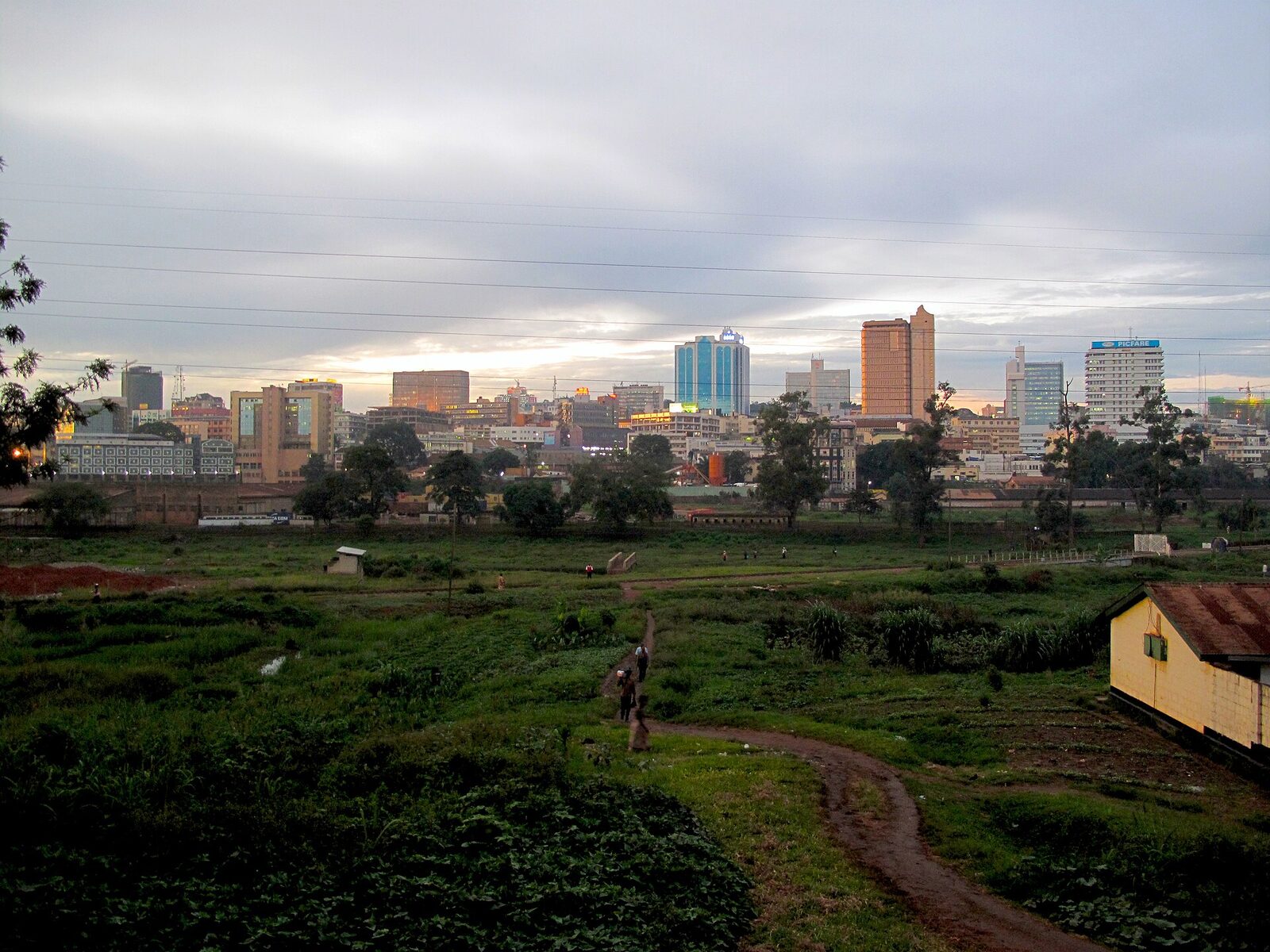
Kampala rewards a full day rather than a rushed morning, with royal tombs, a climbable minaret, two enormous markets and a nightly dance show all inside one compact ring of hills. Most visitors fit a Kampala city tour in either side of a safari, hiring a driver or joining a guided group. Uganda’s capital sits about 40 km north of Entebbe airport on the Lake Victoria plateau.
Why Kampala Is Worth a Day on a Uganda Trip
Plenty of people skip it. They fly into Entebbe, get collected, and drive west without ever entering the city, and the tour operators rarely argue because a Kampala day earns them less than a park day. That is a shame, and it is also understandable. Kampala is loud, crowded and slow to cross, and nothing about it is arranged for the convenience of visitors.
What you get in return is the only place in the country where Uganda’s history is stacked up in one place and still in use. The Buganda kingdom’s royal burial ground is a working shrine, not a ruin. The martyrs’ site at Namugongo draws one of the largest Christian pilgrimages in Africa. A mosque paid for by Libya sits on the hill where the colonial fort stood. All of it is within about ten kilometres of the clock tower.
The city grew across seven hills and now spreads over roughly forty, which explains why every route seems to climb and drop. Mengo, Namirembe, Rubaga, Kibuli, Nakasero, Kololo and Old Kampala are the original seven, and four of them carry the sites you came to see. Sitting at about 1,200 metres, the city stays warm without ever getting genuinely hot.
One day covers the highlights if you plan the route rather than the list. Two days lets you slow down and add a market or a day trip. Anything past three and you are staying for the food and the bars rather than the sights, which is a perfectly good reason but a different article. Park trips leaving the city run from three days upward, among them a three day Queen Elizabeth safari.
Kasubi Tombs Tour and the Reconstructed Royal Burial Ground
A Kasubi Tombs tour is the one thing in Kampala that would be worth the trip on its own, and almost every guide to the city describes a building that was not standing when it was written. Muzibu Azaala Mpanga, the great domed tomb that holds four kabakas, burned down in a fire in 2010. What most pages still describe is either the pre fire structure or a blackened site.
It has since been rebuilt. Reconstruction ran for years under the Buganda kingdom with UNESCO, Japanese and Ugandan government funding, the site was taken off the World Heritage danger list once inspectors were satisfied, and the Katikkiro announced the restoration finished. A final ritual, the cutting of the porch, was still outstanding at the time of writing, so you may hear the site described as not yet formally reopened even while visitors are being shown around.
What you actually walk into is a thatched dome about eight metres high, its roof carried on wooden poles bound in bark cloth, with concentric woven rings above you that stand for the clans of Buganda. Muteesa I, Mwanga II, Daudi Chwa II and Sir Edward Muteesa II lie behind a reed screen at the back. Visitors do not go past it. Photographs of the four kings hang in front, and Baganda pilgrims kneel to them.
Shoes come off at the door. Sit on the mats rather than standing over people. If you are wearing trousers, you will be handed a cloth to tie around your hips before you go in, and skirts below the knee need nothing extra. The guides are drawn from the clans who have looked after the site for generations, which is why the tour sounds like family history rather than a script. Women of the royal line sit on mats either side of the entrance in rotations of a month at a time, and they are not there for your camera.
Allow an hour and a half. It is open daily, mid morning is the calmest, and the whole thirty hectare compound holds smaller structures, including the restored guardian’s house, that most visitors walk straight past.
Gaddafi National Mosque Tour and the Minaret Climb
The Uganda National Mosque tour is the best value hour in the city, and the reason is the tower rather than the prayer hall. Officially renamed after Gaddafi’s death, still universally called the Gaddafi Mosque, it stands on Old Kampala Hill where Lugard built his fort, and it holds around twenty thousand worshippers across the hall, gallery and courtyard.
The minaret has 272 steps. There is no lift. Reviewers argue about the count, some swearing it is nearer three hundred, and after the first hundred you stop caring. The stairwell is narrow and unlit in places, and the reward at the top is a genuine 360 degree view over the whole city: the taxi parks, the cathedral hills, the sprawl running out towards Lake Victoria. Go before midday if you can, because the stone holds the heat.
Modest dress is required and enforced, but nobody is turned away. The mosque keeps a rack of scarves and wrap skirts at the entrance and lends them out at no charge, so a woman arriving in trousers and a sleeveless top will be handed what she needs. Shoes off in the prayer hall. Your ticket includes a guide, and the guides here are good, covering the fort, the Muslim history of Buganda and the politics of the building’s name without hurrying you.
Prayer times close the hall to visitors, Friday midday most of all, so a Friday morning or a weekday afternoon works better than a Friday lunchtime.
Uganda Museum and the Kabaka’s Palace Tour at Mengo
Start with the awkward part. The Uganda Museum has been shut for a refurbishment that has run far past its planned ten months, and the government museums department was still carrying a closure notice at the time of writing. Operator pages across the internet cheerfully list its opening hours and fees anyway. Check before you build a morning around it, because the oldest museum in East Africa is worth an hour when it is open and a wasted crosstown drive when it is not.
The Kabaka’s Palace tour at Mengo carries no such doubt and is the heavier of the two visits. The Lubiri is the Buganda king’s palace compound, reached along Kabaka Anjagala Road, the straight ceremonial mile lined with trees planted for the kingdom’s clans, which runs down to the Bulange where the Buganda parliament sits. The palace itself is closed to the public. What guides take you to is the armoury beneath it, which Idi Amin turned into cells.
They are concrete corridors and chambers with an electrified water channel at the entrance, and prisoners’ writing is still legible on the walls. Nobody agrees on how many people died in them. The guide will give you a number and you should treat it as an estimate rather than a count. It is a bleak forty minutes and it changes the tone of the day, so put it before lunch rather than after the tombs.
Two smaller stops sit within a few minutes: the Bulange itself, worth seeing from the road for the clan sculptures, and Kabaka’s Lake nearby, dug by Mwanga II’s labourers and now a quiet spot with birds on it and very little explanation on site.
Namugongo Martyrs Shrine and Bahá’í Temple Tours
Both of these are Kampala tours that involve a drive rather than a walk, and both reward the effort in completely different ways.
Namugongo sits about eleven kilometres east of the centre and commemorates 45 young men of the Buganda court, 23 Catholic and 22 Anglican, killed between 1885 and 1887 on Kabaka Mwanga’s orders for refusing to give up Christianity. There are two shrines, Catholic and Anglican, a few hundred metres apart. The Catholic basilica is built over the spot where Charles Lwanga was burned, its roof built as a traditional hut and carried on copper pillars, standing in a lake. Entry to the grounds costs nothing. The Uganda Martyrs Museum at the Anglican shrine is the better exhibition of the two and opens on weekdays only.
Every year on the third of June the site absorbs a pilgrimage that arrives on foot from as far as Kenya and Tanzania, tens of thousands of people at minimum and often far more. If you are in Uganda in late May, understand that the roads east of Kampala will be full of walkers and that the shrine will be a crowd rather than a quiet place.
The Bahá’í House of Worship on Kikaya Hill is the opposite kind of visit and the best decompression stop in the city. It was the first Bahá’í temple built on the African continent, opened to the public in 1962, and it sits in about fifty acres of gardens on a hilltop north of town. Nine sides, nine doors, a green tiled dome. There is no fee, no dress code beyond the obvious, and no attempt to convert anyone. People come to sit under the trees.
If you have the appetite for more, Namirembe and Rubaga cathedrals face each other from neighbouring hills and between them tell you most of the story of the missionary rivalry that split the royal court. Kibuli Mosque, the Shri Sanatan Dharma Mandal Hindu temple, the Sikh gurdwara and Kampala’s small Jewish community all sit within the same few kilometres, which is a fair summary of the city.
Owino and Nakasero Market Tours in Downtown Kampala
A market tour is where a Kampala day either comes alive or goes wrong, and which of the two depends almost entirely on preparation.
Owino, properly St Balikuddembe, is the largest market in the country and covers about seven acres in the valley below the old taxi park. Secondhand clothing by the bale, kitenge and bark cloth, hardware, herbs, fish, furniture, phone parts, and tens of thousands of traders working through it. Sections of it have been under demolition and paving works, with vendors trading from wherever they can, so the layout you find may not match anything written about it.
Go early. Crowds build through the day and peak at weekends, and the aisles are narrow enough that a slow walker jams the flow. Take a guide the first time, not for safety theatre but because the market swallows its own entrances and a lot of visitors genuinely cannot find their way back out to the road they came in on. Carry very little. Pickpocketing here is opportunistic rather than aggressive, and it works on people who are photographing the ceiling with a phone in one hand and a bag hanging open on the other side.
Nakasero, up the hill, is the calmer of the pair and better if you only want one. Fresh produce, spices, and a fruit selection that explains why Ugandan breakfasts are what they are. It is easier to photograph, easier to leave, and the traders are more used to being asked what things are.
The old taxi park below Owino is worth two minutes of standing and looking rather than any attempt to walk through it. Several hundred white minibuses packed nose to tail, each finding its way out of an arrangement that looks physically impossible. For crafts without the crush, the Buganda Road craft village and Exposure Africa on Buganda Road sell carvings, baskets and fabric at fixed stalls where haggling is expected but calm.
Ndere Centre Cultural Experience and a Kampala Evening
The Ndere Centre experience is the one evening booking worth making in advance. The Ndere Troupe performs on Wednesday, Friday and Sunday nights in a 700 seat open air amphitheatre in Ntinda, working through dances from across Uganda: Bakisimba from Buganda, Larakaraka from the north, Ekitagururo from the west, along with the adungu harps and the balancing pots that everyone remembers afterwards.
Sunday is the family show and starts earlier, around six. Wednesday and Friday shows start about seven and run three hours. The founder compères in person more often than not, and his commentary between numbers is genuinely funny and does more to explain Ugandan regional difference than any museum label. Dinner is a separate booking, served buffet style before the show. Take a fleece: the seating is outdoors and Kampala evenings at this altitude get cool.
Elsewhere, the eating is better than the reputation. A rolex, the chapati rolled around an omelette, is the street food everyone tries and is best from a stall with a queue. Sit down Ugandan food means matooke, groundnut sauce, beans and slow cooked meat, and luwombo, steamed in banana leaf, is worth ordering if you find it. Kampala’s coffee scene is real and small, Endiro and 1000 Cups being the ones people name. For bars, Kisementi and Acacia Avenue in Kololo are walkable and mixed, and Kabalagala is louder and later.
Kampala City Tours by Boda Boda, on Foot and With Community Guides
Three formats, and they suit different people.
Boda boda city tours put you on the back of a motorbike with a guide for four to eight hours, threading between the sites the way residents actually move. Operators running them provide helmets and vetted riders, which is the entire point, because flagging down a random rider for the same route is not the same activity. Riders on a tour also stop where you want to look, which is not something the traffic normally permits.
Walking tours cover central Kampala on foot and are the better option if you are nervous on two wheels. They tend to run downtown from Nakasero through the taxi parks and the old commercial streets, and a good guide will get you into buildings you would never enter alone.
Community tours through the neighbourhoods of Bwaise, Katwe and Katanga are the ones people hesitate over and then rate highest. Run properly, through the organisations that work in those areas, they are led by residents, the money stays local and the visit is structured around meeting people who agreed to be met. Run badly they are voyeurism. The test is simple: ask who is guiding, who is paid, and what the money funds. If the answers are vague, book something else.
Two extras worth knowing. Makerere University’s campus is open and pleasant to walk, and it is the oldest university in East Africa. Parliament admits visitors to the public gallery when the House is sitting, usually mid afternoon on sitting days, and you will need identification. Do not photograph government buildings, police, soldiers or the presidential residence at Nakasero. This is not a superstition, it is a rule that gets enforced, and a confiscated phone is a poor souvenir.
Getting Around Kampala and Planning a Trip Around the Traffic
Everyone tells you Kampala traffic is bad. Nobody tells you how to plan around it, which is the difference between a good day and four hours in a car.
The rule is simple: cross the centre at most twice, and never between seven and nine in the morning or five and eight in the evening. Group your sites by hill. Kasubi, Mengo and Namirembe sit together on the western side. Old Kampala mosque and the downtown markets sit together in the middle. Namugongo and Ntinda are both east. The Bahá’í temple is north. A day that goes west, then centre, then east, then Ndere in Ntinda for the evening works. A day that ping pongs between Namugongo and Mengo does not.
For the vehicle itself, a hired car and driver for the day is the least stressful option and the one most visitors end up taking, because the driver waits, parks, and knows which junction is blocked. Ride hailing apps work well, Uber and Bolt both operating cars and motorbikes, and using the app matters because it fixes the fare in advance and records the trip.
Boda bodas are the fast option and the risky one. App based riders come with a helmet for the passenger and some training behind them; a rider flagged off the street comes with neither. Fares are quoted rather than metered, and visitors are routinely quoted several times what a resident pays for the same hop, so agree the number before you sit down. The city authority has repeatedly announced a boda free zone across the central business district, and enforcement has started and stopped more than once, so the streets riders are allowed to use can change between visits.
Shared minibus taxis are cheap, legitimate and slow. They run fixed routes from the two central parks and they do not leave until full. Fine if you have time and someone to ask; not the way to make a six o’clock show.
Day Trips From Kampala and Where the City Fits in a Safari
Kampala works better as a base for day trips than most visitors expect, though Entebbe is closer to the water based ones.
Jinja and the source of the Nile is the standard full day east, about two hours each way, with white water rafting, quad biking and a bungee jump for anyone who wants the adrenaline version and a boat to the source for anyone who does not. Ssezibwa Falls sits on the way and is a Buganda spirit site as much as a waterfall.
Mabamba Bay, the papyrus swamp on Lake Victoria where dugout canoes go looking for shoebills, is reached far more easily from Entebbe than from Kampala, and the same is true of Ngamba Island, the chimpanzee refuge an hour out by boat. If those are your priority, sleep in Entebbe rather than the city.
Ziwa, the reserve that holds Uganda’s only wild rhinos, lies north on the Murchison Falls road. Guides quote anything from two to four hours depending on which stretch of road they mean, so treat it as a long day or, far better, as the first stop on the way to Murchison rather than a return trip.
Closer in, the Wamala Tombs northwest of the city hold Kabaka Ssuuna II and get a fraction of Kasubi’s visitors, which is exactly why the guides there have time for you.
As for where the city belongs in a longer Uganda safari, the honest answer is at the end rather than the beginning. Arriving jetlagged into Kampala traffic is nobody’s best introduction to the country. Coming back off ten days in the parks, with some sense of who the Baganda are and why the kingdom matters, the same sites land differently. Many listings start in the city regardless, among them a three day gorilla safari out of Kampala.
Where to Stay and When to Visit Kampala
Where you sleep decides how much of the traffic you inherit. Kololo and Nakasero put you central, quiet and close to the restaurants. Bugolobi and Ntinda are calmer and handy for the eastern sites and for Ndere. Munyonyo and Ggaba sit on the lake shore, greener and further out, which is lovely until you need to be downtown by nine. Backpacker places cluster around Kabalagala and Namirembe Road.
The city sits almost on the equator and the temperature barely moves through the year, sitting around the mid twenties by day and dropping enough at night to want a layer. Rain is what changes. Two wet seasons, roughly March to May and again September to November, bring short heavy downpours in the afternoon rather than all day drizzle, and the real effect on a visitor is not getting wet but the traffic seizing afterwards.
June to August and December to February are the drier stretches and the easier ones for a city day. Late May is the exception worth knowing: the roads east fill with martyrs’ pilgrims walking towards Namugongo, which is either the most interesting time to be here or the worst, depending on whether you wanted to see it.
Frequently Asked Questions About Visiting Kampala
How many days do you need in Kampala?
One well planned day covers the royal and religious sites, one market and an evening performance. Two days lets you add Namugongo, the Bahá’í gardens and a walking or community tour without racing. A third day only makes sense if you are using the city as a base for Jinja or Ziwa, and even then Entebbe is the better base for the lake trips.
Is the Uganda Museum open?
Assume not, and verify before you go. The national museums department was still displaying a closure notice for refurbishment at the time of writing, long past the ten months the works were meant to take. Most travel pages online still list it as open with hours and fees, which is where the confusion comes from. If it has reopened by the time you travel, it runs daily from mid morning to late afternoon and takes about an hour.
What does it cost to visit Kampala’s main sites?
Budget roughly 50 USD per person for a full day of entries. Kasubi Tombs is the priciest at somewhere between 10 and 20 USD for non resident foreign adults, and quotes genuinely differ, so carry cash. The Uganda National Mosque runs about 7 USD and that includes the guide and the minaret climb. Kabaka’s Palace at Mengo is around 10 USD. The Uganda Museum, when it reopens, was set at 5 USD for foreign adults and 2 USD for children. Namugongo’s grounds are free and the martyrs museum is about 3 USD. The Bahá’í temple charges nothing. Ndere Centre tickets are about 30 USD for international visitors with dinner a separate 19 USD or so. Most sites take cash only, some in shillings and some in dollars, so bring both.
Is Kampala safe for visitors?
For ordinary daytime sightseeing, yes, with normal city sense. The realistic risks are petty theft in crowds, road accidents on motorbikes, and being talked into something by a stranger who is very friendly very quickly. That last one usually starts with an offer to walk you to a craft shop or a restaurant, and the polite refusal is the whole defence. Avoid walking in the downtown backstreets after dark, use apps rather than street hails at night, and keep your bag in front of you at Owino. Government travel advice on Uganda changes with events, so check your own foreign ministry’s current position before you book rather than relying on any article.
Can you visit Kampala on a layover from Entebbe airport?
Only with a long one. The drive is about 45 minutes each way when the expressway is clear and can double on a weekday evening, so a six hour connection leaves you almost nothing once you add both transfers and check in. Eight hours or more, with a pre booked driver who knows the flight number, makes a compressed version workable: the mosque, one market and lunch. Anything less and Entebbe’s own gardens and wildlife centre are the far better use of the time.
What should you wear at Kasubi Tombs and the mosque?
Cover shoulders and knees at both. At the mosque women also need their hair covered, and scarves and wrap skirts are lent free at the door, so you do not have to arrive dressed for it. At Kasubi you take your shoes off before entering the main tomb and anyone in trousers is given a cloth to tie around the hips. Wear shoes you can slip off repeatedly. For the minaret, closed shoes with grip, because the stairs are worn and narrow.
How much should a boda boda ride cost?
A short hop across town is genuinely cheap, usually under 2 USD for a resident, and visitors are routinely quoted three or four times that. Use an app rather than the street and the question disappears, because the fare is set before you get on and both rider and route are recorded. If you do flag one down, agree the price before you sit, and never take a rider who has no helmet for you. The saving over a car is small and the risk difference is not.
What do hotels in Kampala charge per night?
Hostel dorms and simple guesthouses start around 10 to 20 USD. Comfortable mid range hotels in Kololo, Bugolobi or Ntinda sit around 60 to 100 USD with breakfast. The large lakeside and business hotels, the Serena and the Munyonyo resorts among them, start at about 150 USD and climb from there. Rates jump when a conference is in town, which happens often, so book earlier than you would elsewhere.
Is a guide worth having for a Kampala city tour?
More than in most cities, yes. Half the value of Kasubi and Mengo is in what someone tells you, since neither site has much signage and both are places where custom matters and getting it wrong is embarrassing. A guide also solves the routing problem, which is the thing that ruins unaccompanied Kampala days. If you only hire one thing, hire a driver who guides, rather than a walking guide plus taxis.
When is the best time of year to visit Kampala?
June to August and December to February are the drier windows and the simplest for a city day. The wetter months, March to May and September to November, are not washouts and rarely rain all day, but an afternoon downpour will gridlock the roads for an hour afterwards, so build slack into the plan. Late May and the first days of June bring the martyrs’ pilgrimage and heavy congestion on the eastern routes.
Can children and older travellers manage a Kampala day tour?
Mostly. The tombs, the shrines, the temple gardens and the Ndere performance are all flat, seated or short, and children tend to love the dance show. Two things are not for everyone: the 272 step minaret, which has no lift and no handrail worth the name, and Owino market, where the crowds and the narrow aisles are hard going with a pushchair or a stick. Nakasero is the gentler market. The Amin cells are unsuitable for young children and worth thinking about for anyone else.
Uganda Safaris works with Ugandan operators who treat Kampala as a destination rather than a transfer, including guides drawn from the neighbourhoods they show you and drivers who plan a route around the traffic instead of apologising for it. The city is where most western routes begin, including short ones like this three day chimpanzee tracking trip to Kibale.
Northbound trips start here too, among them the two day budget Murchison Falls safari that leaves the city at dawn and is back the following evening.
Browse the wider Kampala and central Uganda itineraries on the site, compare what each operator includes, and ask an operator directly for help fitting a city day around the flights and the parks you have already chosen.
32 Places to Visit in This Area
Individual sites within reach of here, each with its own guide. Some are written up because the name circulates and the place does not, which is worth knowing before you plan a drive around one.
Safaris That Visit Kampala
3 of the 25 safaris listed here that visit Kampala, from different operators where the listings allow it. Each is sold and run by an independent Ugandan tour company. This site lists them and passes on enquiries; it takes no booking and charges you nothing.
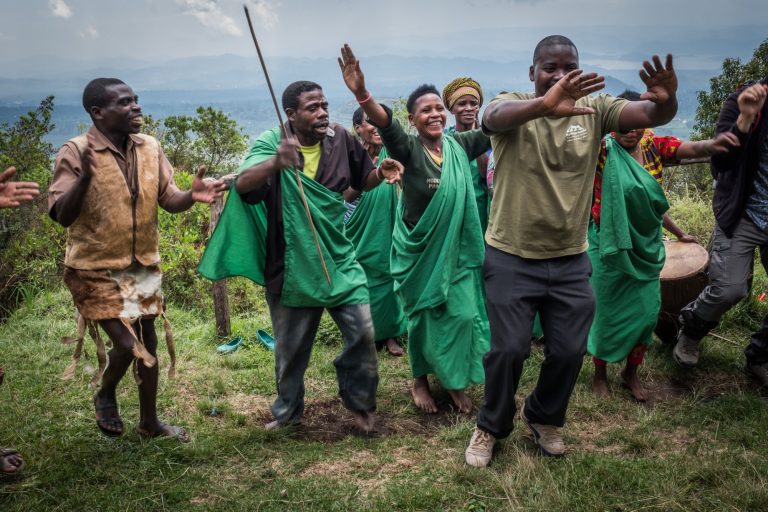

10 Days Uganda Cultural Tour
by Insight Safari Holidays Verified operator


3 Days Toro-Semliki Wildlife Reserve Safari
by Kori Safaris Verified operator
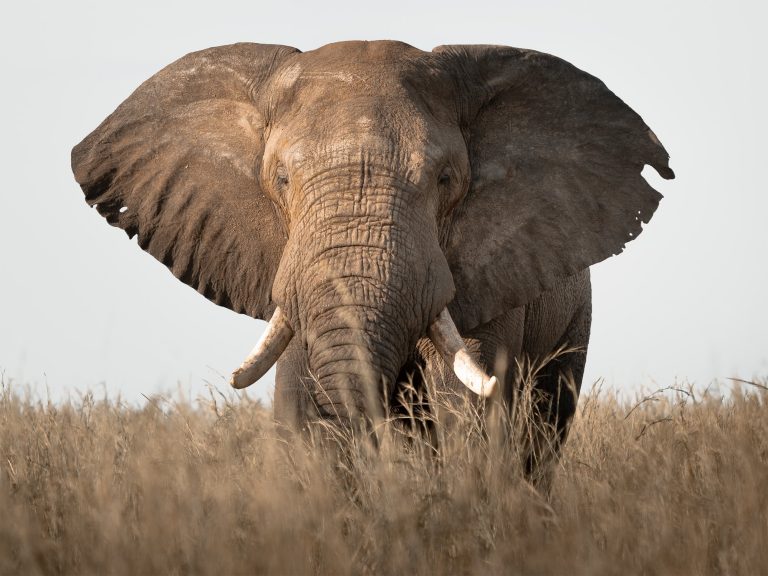

15 Days Uganda Safari
by Wild Whispers Africa Verified operator