
How Many Days Do You Need in Uganda?
Most first time visitors need seven to ten days in Uganda, because the gorillas are in the far southwest and the savannah parks are not. Trips on this site run from one day to fifteen, and the shape that sells most is three days. Uganda is an East African country whose main safari parks sit several hours of driving apart, which is what really sets the number.
The Short Answer on Uganda Safari Length
If you want one number, take seven days for a first Uganda safari. That is long enough to fit gorilla trekking, chimpanzees and one savannah park with the driving those three demand, and short enough to fit a normal fortnight of leave once flights are added. Ten days is the more comfortable version of the same trip.
The honest answer is that the number depends entirely on how many of Uganda’s parks you want, because they are not near each other. A trip built around one animal can be short. A trip built around the country cannot.
Here is what the listings actually show. Of the 43 safaris on this site, 14 are three day trips and 8 are four day trips, which makes the short gorilla focused trip by far the most common thing sold. 27 of 43 run four days or fewer. Only 8 run seven days or more. That gap is worth noticing, because it reflects what people book rather than what guidebooks recommend, and the two are not the same thing.
Why Driving Time Decides Your Uganda Safari Length
Every honest answer to this question is really an answer about roads. Uganda packs a lot into a country the size of Great Britain, but the two things most visitors come for sit at opposite ends of it. Bwindi is in the southwest corner against the Congolese border. Murchison Falls is in the northwest. Kidepo is in the far northeast, near South Sudan.
The surfaces change too, and this is the part that catches people. The main roads out of Kampala are tarmac and reasonable. The last stretch into most parks is murram, which is a graded dirt road that ranges from fine to slow depending on when it last rained. UWA recommends four wheel drive on almost every park road for a reason.
Two further things eat time and never appear in an itinerary. Leaving Kampala after about seven in the morning means sitting in traffic that can add an hour before you have left the city. And arriving at a park gate is not arriving at your lodge. UWA notes that most Murchison lodges are another hour or two beyond the entrance gate. Multiply that across a week and you have lost most of a day you thought you had.
Road Distances Between Uganda’s Safari Parks
These are Uganda Wildlife Authority’s own published drive times, which tend to be more sober than the ones in tour brochures. Treat them as the best case in dry conditions.
| From | To | By road |
|---|---|---|
| Kampala | Murchison | 4 to 5 hours |
| Kampala | Queen Elizabeth | 7 to 8 hours |
| Kampala | Kabale | About 6 hours |
| Kampala | Kisoro | About 9 hours |
| Kampala | Kidepo | About 10 hours |
| Fort Portal | Murchison | 6 hours plus |
| Kabale | Buhoma | About 5 hours |
| Kabale | Nkuringo | About 4 hours |
Read that table as a planning tool rather than a list. Kampala to Kisoro at nine hours is why a gorilla trek cannot sensibly be a day trip from the capital. Kampala to Kidepo at ten hours is why almost everyone flies there instead. And the six hour Kampala to Kabale leg is only the tarmac half of the drive to Bwindi, with four or five more hours of murram after it.
One and Two Day Uganda Trips: What Is Genuinely Possible
One day safaris exist on this site and they are real, but they are not what people assume. A one day gorilla trek starts from Kabale or Kisoro, meaning you are already in the southwest, having spent a day getting there and needing another to leave. The trekking day is one day. The trip is three.
The same applies to a two day gorilla trip, which usually starts and ends in Kigali rather than Entebbe, because Kigali is roughly four hours from the southern Bwindi sectors while Entebbe is nine or more. Crossing from Rwanda is a legitimate and much used shortcut, not a compromise.
What one and two days genuinely buy from Kampala or Entebbe is something nearer: a rafting day at Jinja, a chimpanzee visit at Ngamba Island, a shoebill morning at Mabamba Wetland, or a night at Murchison Falls National Park on a fast two day run. Those work. A gorilla trek in two days from Entebbe does not.
Three Day Gorilla Trekking Safaris: The Most Common Shape
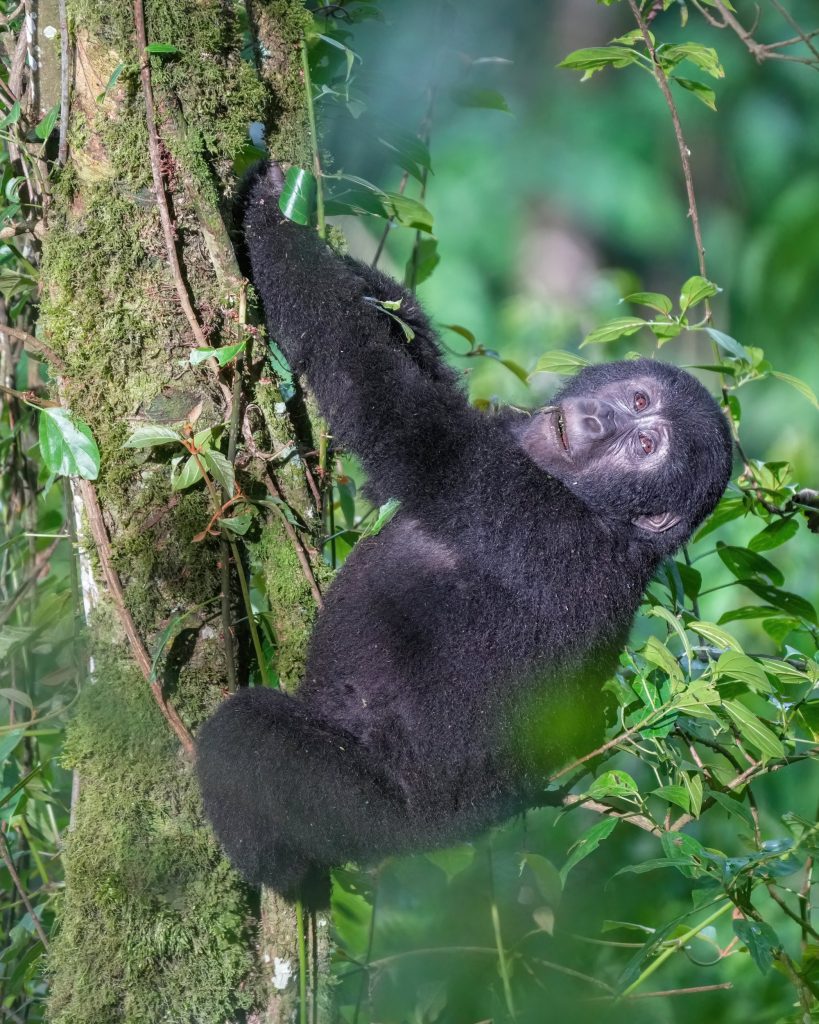
The three day gorilla safari is the single most common trip in the Uganda market, and the itineraries all follow the same shape: drive down, trek, drive back. Day one is the long transfer from Kampala or Entebbe to Bwindi. Day two is the trek. Day three is the return drive.
Look at that honestly and you have bought one day of activity and two days of vehicle. That is not a criticism, because the one day is the reason people come, and plenty of travellers with limited leave decide the trade is worth it. But it is worth knowing before you book that two thirds of a three day safari is the road.
If three days is genuinely all you have, two adjustments improve it a lot. Fly one leg instead of driving it, which converts a lost day into a half day. Or start from Kigali rather than Entebbe, which halves the ground transfer. Before you decide, it is worth reading what gorilla trekking involves, because the trek itself can run twenty minutes or eight hours and that variability is the thing a tight schedule handles worst.
Four and Five Day Safaris: Gorillas Plus One More Park
Four days is where a Uganda trip stops being a single errand. The extra day is normally spent either on a second park or on a second trek, and the listings show both patterns. One shape runs Bwindi for gorillas then north to Queen Elizabeth for a game drive and the Kazinga Channel cruise before returning. Another keeps you in the southwest and treks twice, which is the answer for anyone who wants insurance against a poor first hour.
Five days lets you reach Kibale National Park for chimpanzees as well, and that is the first point at which a Uganda trip delivers the thing the country is actually best at, which is primates rather than big cats. A typical five day shape is Bwindi for the gorillas, transfer north, chimpanzees at Kibale, then out.
Four and five day trips are also where Lake Bunyonyi starts appearing, usually on the day after the trek. A rest day beside the lake sounds like a luxury on a short trip and is closer to a necessity, because the trek day is genuinely tiring and the drive out is long.
Six and Seven Day Uganda Safari Tours: The Classic Circuit
Seven days is the length most experienced planners recommend, and the itineraries converge on a recognisable loop. Kampala to Kibale, chimpanzees in the morning, on to Queen Elizabeth. A game drive and a launch cruise there. South through Ishasha to Bwindi. Gorilla trek. Long drive home.
That covers Uganda’s three headline activities, which are the gorillas, the chimpanzees and the savannah, and it does it without any single drive being brutal, because Kibale to Queen Elizabeth and Queen Elizabeth to Bwindi are both short by Ugandan standards. Adding Murchison Falls into a seven day trip is where it starts to strain, since that pulls you north and then all the way back south again.
Six days runs the same circuit with one fewer night, usually taken out of Queen Elizabeth. Whether that matters depends on whether you care about a second game drive. If you have seen East African savannah before, you probably do not. If Uganda is your first African trip, you probably do.
Eight to Ten Day Safaris: The Full Western Loop
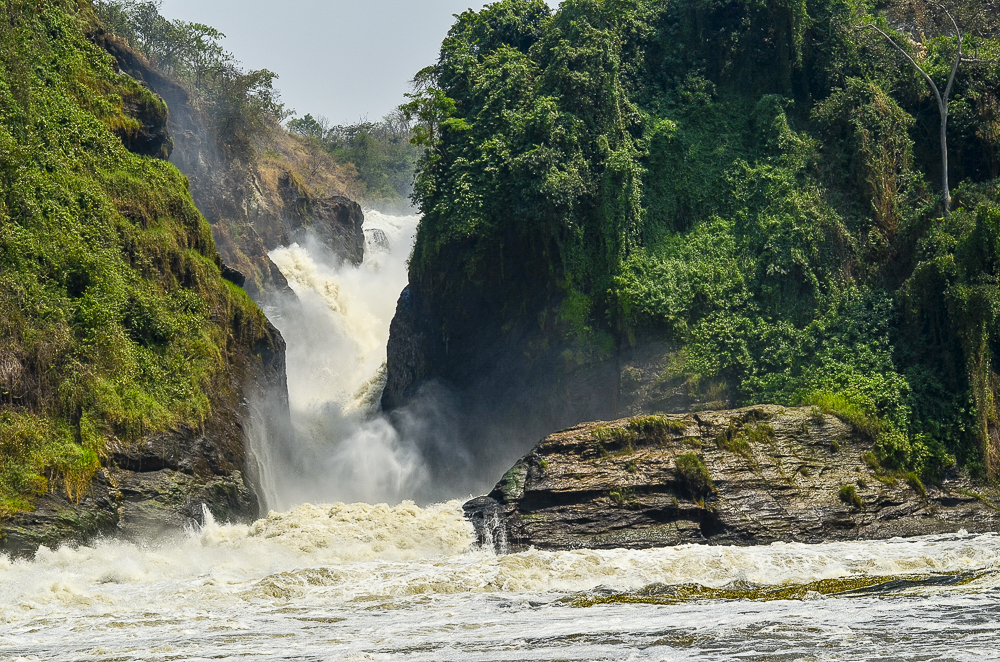
Ten days is the length at which you can add Murchison Falls to the circuit without wrecking it, and the ten day itineraries follow a clean arc: north from Kampala to Murchison by way of the rhino stop at Ziwa, the Nile cruise and a game drive, then southwest to Kibale, Queen Elizabeth, Ishasha and Bwindi, coming back through Lake Bunyonyi and Lake Mburo National Park.
Nine and ten day trips are also the first ones with any slack in them. A driver who loses three hours to a burst tyre or a closed road does not wreck the whole itinerary, and you get the odd unhurried morning. On a three day trip a single delay can cost you the trek; on a ten day trip it costs you a lie in.
This band is where most people who have done it say Uganda finally makes sense, because you see the country change as you cross it, from the dry north through the crater lakes to the rainforest. That transition is a large part of what the trip is, and it is invisible from an aeroplane.
Twelve to Fifteen Day Uganda Safari Trips: North and East
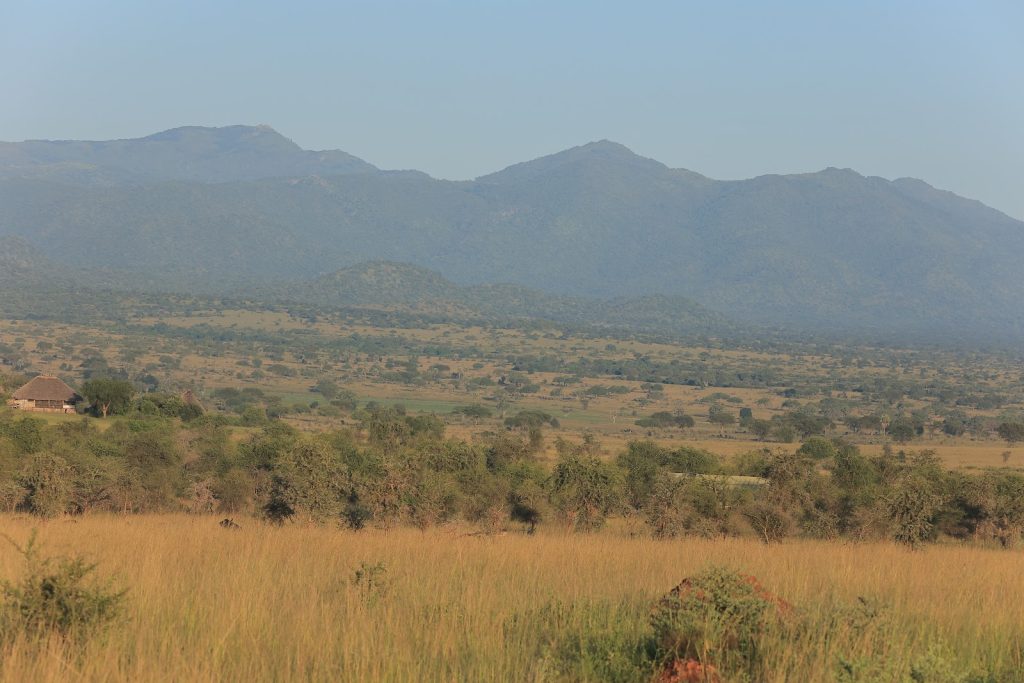
Beyond ten days you stop adding to the western circuit and start adding whole regions. The fifteen day itineraries on this site head east and north first, taking in Jinja, Sipi Falls, Karamoja and Kidepo before turning west for Murchison, Kibale and the gorillas.
Kidepo is the reason to go this long. It sits about ten hours from Kampala by road and it is the emptiest and least visited of the big parks, which is exactly its appeal. Nobody adds Kidepo to a week. It needs either a fortnight or a flight.
The other long trip additions are Mount Elgon and Sipi Falls in the east, the Rwenzori Mountains for anyone who wants a real mountain, and Semuliki or the Ssese Islands for the country’s quieter corners. A fifteen day trip is also the only length at which a genuine rest day stops feeling like waste.
How Many Nights Each Park Deserves on Safari
The quickest way to sanity check an itinerary is to count nights per park rather than days in total.
Fly In Safaris That Buy Back Driving Days
Flying is the one lever that genuinely changes the arithmetic. Scheduled flights run from Entebbe to Kihihi for the northern Bwindi sectors and to Kisoro for the southern ones and Mgahinga, with the Kisoro leg taking a little over an hour against about nine hours by road. Kidepo, Kasese, Mweya and Pakuba are served too.
The trade is straightforward. Flying one leg of a short trip turns a wasted day into a usable one, which on a three or four day safari is the difference between a rushed trip and a decent one. On a ten day trip the driving is part of the point and flying everything would hollow it out.
Two practical constraints. The aircraft are small, so luggage allowances are tight and usually mean a soft bag. And you still need a vehicle at the other end, because no airstrip is at a park gate. Flying shortens the day; it does not remove the transfer.
Uganda Safari Length for Families, Birders and Honeymoons
The right number changes with who is travelling, and not always in the direction people expect.
Families need longer trips with shorter driving days, which sounds contradictory but is not. Capping any single transfer at four or five hours means more nights, so a family version of the standard seven day circuit usually runs nine or ten. Remember also that gorilla trekking has a minimum age of fifteen, which decides a great deal about the shape of a family trip.
Birders need more days in fewer places. The Albertine Rift species are concentrated around Bwindi’s Ruhija side, and a birding trip that races between parks misses the point entirely. Five focused days beat ten scattered ones.
Honeymoon trips run shorter than you would guess, often four or five days, because the pattern is usually a Uganda leg attached to a beach somewhere else. Photographers want the opposite: two nights minimum everywhere, because good light is a matter of being present for enough mornings.
Arriving from Entebbe or Kigali for Your Safari
Where you land changes the number of days you need, and it is the most underrated decision in Uganda planning. Entebbe is the main international gateway, about 46 kilometres from Kampala, and it is the right choice for anything involving Murchison, Kibale, Queen Elizabeth or the east.
Kigali is the better arrival point for a gorilla focused trip, because the Rwandan capital sits within about four hours of Bwindi’s southern sectors against nine or more from Entebbe. Several of the shorter gorilla safaris listed here start and end there. The cost is a land border crossing and a little more paperwork, and the saving is close to two full days.
Whichever way you arrive, count the arrival and departure days honestly. A flight landing at ten at night is not a safari day, and one leaving at eight in the morning is not either. A trip described as seven days is often five days of actual activity, and that single piece of arithmetic explains most of the disappointment people report afterwards. the gorilla trekking guide covers the one fixed date in all of this, which is the permit.
Uganda Safari Length Questions Travellers Ask
What is the minimum number of days for gorilla trekking in Uganda? Three from Entebbe or Kampala, and two if you start from Kigali. Anything shorter only works if you are already in the southwest, in which case the trek itself is a single day out of Kabale or Kisoro.
Is three days enough for Uganda? It is enough for gorilla trekking and nothing else. Two of the three days are driving. If that is the trade you want to make, it is a perfectly reasonable trip and it is the most commonly sold one in the country. It is not a tour of Uganda.
How many days to see gorillas, chimpanzees and savannah wildlife? Seven, comfortably. Six at a push. Five if you fly at least one leg. Below that something has to be dropped, and the thing usually dropped is the savannah park, which is the one Uganda does least distinctively anyway.
Does a longer safari cost proportionally more? No, and this surprises people. The fixed items land early. A gorilla permit is USD 800 for foreign non residents whether your trip is three days or fifteen, and park entry runs USD 40 a day at most parks and USD 45 at Murchison. Vehicle, driver and lodging are the parts that scale with length, so the daily rate of a long trip is usually lower than that of a short one while the total is higher.
Does trip length change what a gorilla permit costs? No. The permit is the same price on any itinerary: USD 800 for foreign non residents, USD 700 for foreign residents, USD 500 for other African citizens and UGX 300,000 for East Africans. There is a lower rate of USD 600 in April, May and November. What length changes is how much slack you have if the permit date has to move, which matters because those low season permits cannot be rescheduled at all.
Can I do Uganda in a week? Yes, and a week is the length most people should choose. A seven day circuit covers gorillas, chimpanzees and one savannah park without any single drive being punishing.
How many days should I allow for Kidepo? Three nights minimum, and realistically a fortnight of total trip length if you drive, since it is about ten hours from Kampala. Flying makes it possible inside a week, but it is still the least compatible park with a short trip.
Do arrival and departure days count as safari days? Count them as half days at best. Most itineraries labelled with a day count include both, so subtract one from any advertised number to get your real activity days.
Is it better to fly between parks or drive? Fly on short trips, drive on long ones. On a three or four day safari a flight buys back most of a day. On a ten day trip the drive between regions is a large part of what you came to see.
Should I add Rwanda, Kenya or Tanzania? Only if you add days for it. A second country needs at least three more days once borders and transfers are counted. The one exception is arriving through Kigali for a gorilla trek, which saves time rather than costing it.
Where This Uganda Safari Planning Guide Goes Next
Uganda Safaris is a marketplace rather than a tour company. Every safari listed here is run by an independent Ugandan operator, and an enquiry goes straight to that company, so the fastest way to test whether your dates are realistic is to ask the people who drive the route. Compare the safaris by length, or look first at the operators who run them. Nothing is booked on this site and asking costs you nothing.