
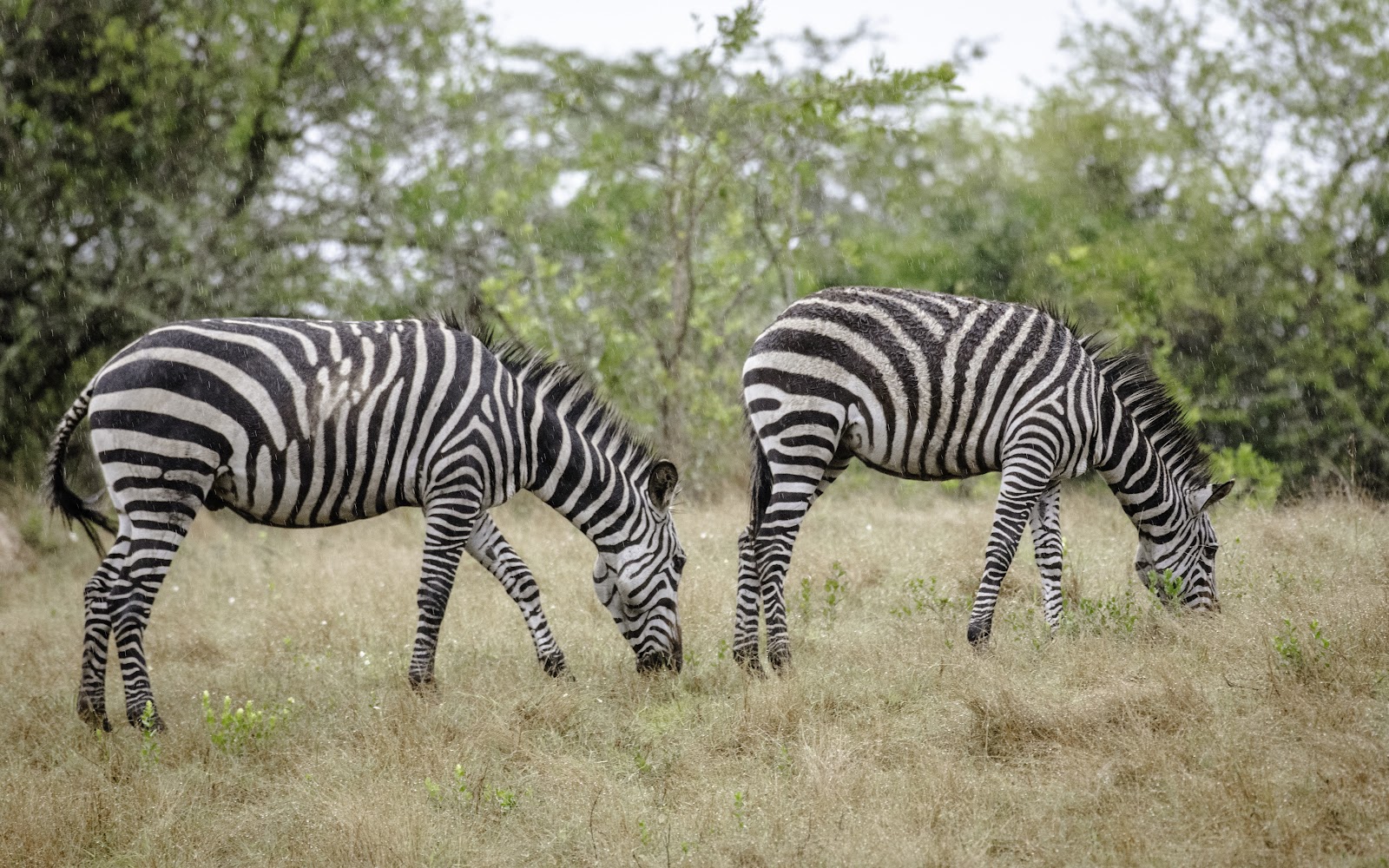
A Lake Mburo safari is Uganda’s most accessible savanna trip, built around game drives, boat cruises, guided walks and horseback rides rather than big cat tracking. Most visitors book it as a one night stop on the road between Kampala and the southwest, arranging activities at Rwonyo. Lake Mburo National Park sits in Kiruhura District, about 240 km west of Kampala, and holds the country’s largest zebra and impala populations.
What Makes a Lake Mburo Safari Different From Uganda’s Bigger Parks
There are no elephants here. Lions were killed off by herders during the troubles of the 1980s and never came back in any real number, so the odd wanderer that turns up makes news rather than a sighting list. That single fact reorganises everything about a Lake Mburo safari, and almost nobody writing about the park bothers to explain why it matters.
Without elephant and without a resident lion population, the rules that keep you inside a vehicle in Queen Elizabeth or Murchison Falls relax. You can walk. You can ride a horse through a herd of impala. You can cycle. Rangers here take visitors on foot as a matter of routine rather than as a special arrangement, and standing forty metres from a zebra with nothing between you and it is the thing people remember long after the game drive photographs blur together.
The trade is honest and worth stating up front. Game density is lower than in the big northern and western parks, and trip reports from people who arrived expecting the same wildlife numbers say so bluntly. You will see impala, waterbuck, zebra, warthog and buffalo, then you will see them again, and then again. Set against Murchison, that reads as thin. Set against a four hour drive with nothing to break it, it reads as a good afternoon.
Most people find one night about right and two nights generous. Three would be a lot unless you are riding, birding or genuinely settling in.
One more thing to clear up, because it confuses readers who compare sources. You will see the park’s area given as 370 square kilometres in some places and 260 in others. Both figures have a history. Gazetted as a national park in 1983 after fifty years as a hunting area and then a game reserve, it displaced Banyankole pastoralists who were never compensated. When the government of the day fell, people moved back onto the land, and when the boundaries were finally redrawn in 1986 less than half the original area survived as park. The wildlife authority quotes the larger number today. The smaller one is a leftover.
Game Drive Safaris on the Lake Mburo Tracks
A game drive safari in Lake Mburo works best in the eastern half of the park, where the tracks run through open acacia country and along the ridges above the lakes. Morning drives leave around six thirty, afternoon drives around four. Both take between two and three hours, and the light in the first and last ninety minutes is when the plains game is moving.
Two arrangements are possible. You can drive yourself along the marked tracks, which many self drive visitors do, or you can pick up a ranger guide at Rwonyo and put them in the vehicle with you. Take the ranger. They know which track the topi herd has been using, they know where the giraffes have drifted, and they will stop for things you would drive past. The park caps speed at 40 km/h, which sounds restrictive until you realise that anything faster and you see nothing.
The salt lick is the one fixed point worth building a drive around. Animals come to it through the day, and a wooden hide overlooks the ground so you can sit and watch rather than circle. Warthog, bushbuck, zebra and buffalo all use it. Sitting still for forty minutes at a salt lick reliably beats another hour of driving.
Roads inside the park are dirt and become greasy in the rains. In March through May and again in October and November a vehicle with proper clearance is not optional.
Night Game Drive Safaris and Spotlight Tours in Lake Mburo
The night game drive safari is Lake Mburo’s headline extra, and it needs framing carefully because it is also the activity that most often falls short of what people expected. Drives leave around seven in the evening with an armed ranger and a handheld spotlight, and run two to three hours.
What you are looking for is the nocturnal set: white tailed mongoose, genet, bushbaby swinging through the acacia crowns, bushpig, porcupine, and hyena, which have grown more numerous. Leopard is the prize. Several operators claim the park holds Uganda’s densest leopard population per square kilometre, and that claim traces back to marketing copy rather than to any published survey, so treat it as an unsourced boast. Leopards are certainly here and night drives are the realistic chance of one. They are not a booking.
Trip reports split hard on this activity. Some describe a leopard on the track for ten minutes; others describe two hours of grass and a hare. Both are true. Go in wanting the spotlight and the sounds rather than a specific animal, and take a fleece, because the temperature drops further than the daytime heat suggests.
Driving yourself after dark is not allowed. Night movement inside the park happens with a ranger or it does not happen.
Boat Safari Cruises on Lake Mburo
The boat safari launches from the jetty below Rwonyo and lasts about two hours. It is the most dependable wildlife activity in the park, because everything you want to see is tied to water and cannot wander off.
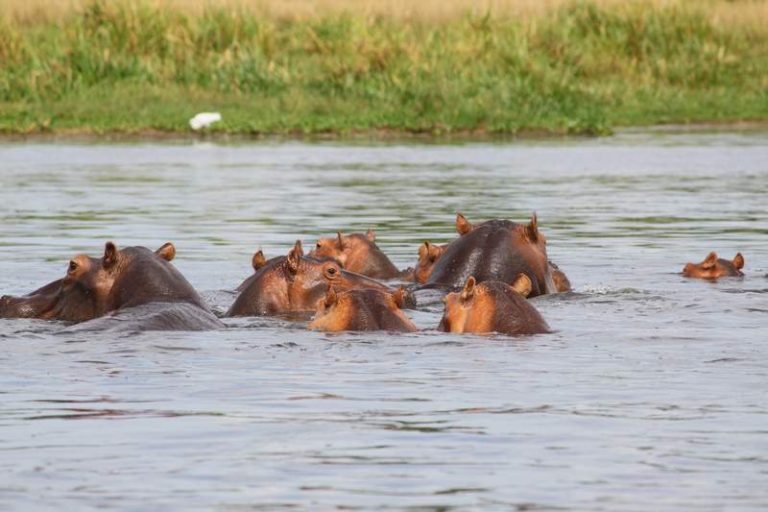
Hippos, in numbers running into the several hundred across the lake system, sit in pods close enough that you hear them before the engine cuts. Crocodiles lie out on the banks. Buffalo come down to drink and stand in the shallows. On the fringes the birding is the best in the park: African fish eagle on almost every stretch, malachite and pied kingfisher, herons, and if you get lucky and the boatman is patient, African finfoot working along the overhung edges.
Afternoon departures are better than morning ones for light and for animal movement. Boats take a small group and there is a minimum party size, so a solo traveller either joins others or pays for the boat, which is worth checking at Rwonyo before you commit to a time.
Walking Safaris and the Rubanga Forest Trail in Lake Mburo
The walking safari is the reason to choose Lake Mburo over a park with more animals in it. An armed ranger takes you out from Rwonyo, usually early, and you walk through acacia woodland and along the lake shore for two hours or so. Zebra tolerate people on foot far better than they tolerate vehicles. Impala keep a nervous distance and then settle. You will find yourself closer to plains game with nothing between you than anywhere else in Uganda outside a private conservancy.
Rubanga Forest sits on the western shore and is a different proposition. It is a small closed canopy patch, the sort of habitat that does not otherwise exist in the park, and it holds a short list of forest restricted birds you will not find in the acacia. Arrangements to walk it are made in advance at the headquarters rather than turning up.
Dress for tsetse flies and take this seriously, because the advice is consistent across every trip report that mentions them. Avoid blue and avoid black; those two colours draw tsetse from a distance. Thin leggings do nothing, since the fly bites straight through. Wear loose, tightly woven long sleeves and long trousers in khaki, olive or grey, cover your wrists and ankles, and use a repellent that names tsetse rather than just mosquitoes. The flies vanish after dark, so evening walks and night drives are untroubled.
Horseback Safari Rides Across the Lake Mburo Plains
A horseback safari at Lake Mburo is the activity nowhere else in Uganda offers properly. Rides are run out of the lodge on the eastern hills, which keeps its own string of horses and its own guides, and they go out into the park proper rather than around a paddock.
Options run from an hour, which suits a nervous first timer, up to four or five hours across the grassy hills in the middle of the park, and there are overnight rides that camp on a hilltop or by the lake shore. Every ride goes out with at least one experienced horse guide, usually two. There is a weight limit: most of the horses will not carry more than about 85 kg and the ceiling is around 100 kg, so say something honest when you book rather than turning up and being turned away.
What makes it work is that game does not read a horse as a threat the way it reads a person or a truck. Zebra will let a horse walk into the herd. Eland, which are among the shyest antelope anywhere and will run from a vehicle at three hundred metres, sometimes stand. Riders who have done both say the difference between a game drive and a ride is not the scenery but the distance.
Mountain Bike Tours and Quad Bike Adventures in Lake Mburo
Cycling is the quiet winner here, and it comes up in traveller reports far more often than the promotional material suggests. A mountain bike tour here runs with a ranger escort along the tracks, typically two to three hours, and the appeal is obvious once you are on it: no engine, no dust cloud, and you hear the park instead of your own vehicle. Warthog scatter, zebra look up and go back to grazing, and you smell the acacia.
Quad biking runs on the same principle with more noise and more speed, and suits people who want the terrain more than the wildlife. Both activities need a reasonable level of fitness and neither works well in the middle of the day, when the heat on open ground is punishing.
Bikes are limited in number. If cycling is the reason you are coming, arrange it before you arrive rather than hoping at the gate.
Sport Fishing Trips and Family Safari Activities at Rwonyo
Sport fishing on Lake Mburo happens at a designated site called Mazinga, and a fishing trip here needs a permit from the wildlife authority arranged at Rwonyo. Tilapia is the main catch, with catfish and lungfish also in the lake. Bring your own rod and tackle. Nothing is hired out at the park and turning up empty handed means watching someone else fish.
Rwonyo is also where families sort themselves out. The park headquarters carries the visitor reception, the ranger allocation desk, the boat jetty and the bandas, and short guided bush programmes for children are run from here, which matters if you are travelling with a seven year old for whom three hours in a vehicle is a punishment. Short walks, a boat trip and the salt lick hide make a workable day for younger travellers in a way that a long game drive circuit in a bigger park does not.
Birdwatching Safaris in Lake Mburo National Park
Birdwatching safaris at Lake Mburo trade on habitat variety packed into a small area, which is why the park punches above its size for a list. The wildlife authority records over 315 species; you will see 350 quoted widely, and the higher figure appears to include the surrounding wetland rather than the park alone. Around twenty of the total are migrants, present in the northern winter months.
Three habitats do the work. The papyrus and swamp fringes hold the specialists people come for, including papyrus gonolek and, for the very patient with a boat and a whole morning, the possibility of shoebill in the wider wetland system. Be realistic about that one: Mburo is not Mabamba and the shoebill is a bonus, not an itinerary item. The open acacia woodland carries the dry country birds that are hard to find elsewhere in Uganda, among them bare faced go away bird, black bellied bustard, Rüppell’s starling, black throated barbet and mosque swallow. Rubanga Forest adds the small forest list.
Best months for a serious list are the wet season shoulders, when residents are breeding and migrants overlap. Best months for comfort are the dry ones. Birders usually take the mud.
Wildlife of Lake Mburo National Park: Zebra, Impala, Eland and Giraffe
Roughly seventy mammal species live in the park, and the roster is genuinely different from Uganda’s other savanna parks rather than a shorter version of the same list.
Burchell’s zebra are the signature, and Lake Mburo holds the largest population in the country. Impala are the other one, and this is the only place in Uganda where they occur in real numbers, which is how the nearby town of Mbarara is often said to have got its name. Eland, the largest antelope on the continent, are seen here more reliably than anywhere else in Uganda. Topi, Defassa waterbuck, bushbuck, oribi, reedbuck, warthog, bushpig and buffalo fill out the plains. In the papyrus, sitatunga move through water on splayed hooves and are seen by perhaps one visitor in twenty.
Rothschild’s giraffe are newcomers and the story behind them is more interesting than the sighting. Fifteen animals, four males and eleven females, were moved down from Murchison Falls in 2015. Part of the reasoning was to spread the risk on an endangered subspecies. The other part was botanical: acacia scrub had been closing in on the grassland since the cattle left, and giraffe browse acacia hard enough to hold it back. The founding group has bred well and the population has grown considerably past where it started.
On predators, be clear about what is true. Leopard, hyena, side striped jackal, serval and genet are present. Lions are not, in any established sense. Pages claiming a lion reintroduction at Lake Mburo are wrong, and the occasional individual that crosses in from surrounding country is an event rather than a population. Neither elephant nor rhino occur, and any source listing them among the park’s common animals has not checked.
Cultural Tours in Ankole Cattle Country Around Lake Mburo
A cultural tour around Lake Mburo is about cattle, which sounds unpromising until you see the cattle. This is Ankole country, and the long horned Ankole cow, with a horn spread that can pass two metres, is the centre of Bahima pastoral life rather than simply livestock. Visits to a traditional Bahima homestead take in milking, the making of ghee, the construction of the kraal and the way a herder reads his own animals.
The Igongo Cultural Centre sits near Sanga on the main road and is the easiest cultural stop to build into a drive, with a museum covering Ankole history and the Nkokonjeru royal tombs nearby. It works as a lunch stop on the way in or out.
The park’s own history sits behind all of this. The lake is named for a man called Mburo who, in the story told locally, ignored his brother Kigarama’s warning dream and stayed in the valley when the water came. Twenty percent of what the park takes at the gate goes back into community projects around the boundary, a policy that exists because the relationship between the park and the people evicted from it in 1983 took decades to repair.
Best Time to Visit Lake Mburo National Park for a Safari
Lake Mburo works year round, which is not true of every Ugandan park, but the two dry spells make for easier safari tours. Rainfall runs between roughly 800 mm and 1,200 mm a year in two wet seasons, with daytime temperatures sitting around 23C to 28C and nights dropping to 12C to 16C.
The dry months from June to August and again from mid December to February concentrate animals near permanent water, thin out the grass so you can see through it, and keep the dirt tracks firm. The wet months from March to May and from September to November bring green country, better birding, fewer vehicles and slippery roads.
| Month | Rain | Game viewing | Tracks |
|---|---|---|---|
| January | Low | Very good | Firm |
| February | Low | Very good | Firm |
| March | Rising | Fair | Softening |
| April | Heavy | Fair | Slippery |
| May | Heavy | Fair | Slippery |
| June | Low | Good | Firm |
| July | Very low | Very good | Firm |
| August | Low | Very good | Firm |
| September | Rising | Good | Softening |
| October | Heavy | Fair | Slippery |
| November | Heavy | Fair | Slippery |
| December | Falling | Good | Firm |
Read that table as packing advice rather than as a verdict on whether to come. April, May, October and November mean a vehicle with clearance, a waterproof layer and a willingness to lose an afternoon to rain. They also mean the horses go out on soft ground, which riders prefer, and the birding is at its best. July and August mean dust, firm tracks and the busiest lodges of the year, so book earlier for those months.
Where to Stay on a Lake Mburo Safari
Accommodation for a Lake Mburo safari splits into three tiers and the choice matters more than usual here, because two activities are tied to specific properties.
At the top, Mihingo Lodge sits on a rock outcrop on the eastern side with a waterhole below it, and it is the lodge that runs the horses. If riding is why you are coming, this is where you stay. Lake Mburo Safari Lodge and Mantana Tented Camp also sit in the upper bracket.
The middle tier is where most people land. Rwakobo Rock is built into a granite outcrop just outside the eastern boundary and has a following among returning visitors. Arcadia Cottages sits on a hill inside the park with a view down over the lake. Both are comfortable without being expensive.
At the budget end, Eagle’s Nest is a simple tented camp on a hill overlooking the valley, and Rwonyo Rest Camp at the headquarters offers bandas and camping ground run by the wildlife authority itself, which is the cheapest way to sleep inside the park. Staying outside in Mbarara or Lyantonde saves money and costs you the early morning, which is the wrong trade in a park where the first hour of light is the best hour.
Getting to Lake Mburo National Park for Your Safari Trip
Almost everyone reaches Lake Mburo by road from Kampala on a safari trip heading southwest. The park lies roughly 240 km out along the Masaka to Mbarara highway, which is tarmac and in decent condition, and the drive takes four to five hours depending on how badly Kampala behaves on the way out.
Two gates matter. Sanga Gate on the eastern side is the one to use coming from Kampala, reached by turning off at Sanga trading centre and running about 13 km in. Nshara Gate on the western side suits arrivals from Mbarara and leads more directly to Rwonyo. From either gate you have another few kilometres to the headquarters. The stretch between the highway and the gate is dirt, corrugated in the dry and greasy in the wet, and multiple trip reports single it out as longer and rougher than expected. Allow forty minutes for it and do not attempt it in a low saloon car during the rains.
Charter flights run from Entebbe or Kajjansi to the Mbarara airstrip in about ninety minutes, then a road transfer. It is a way to save half a day at the front of a short itinerary.
For routing, Lake Mburo is the natural first or last night of a southwestern circuit. Coming from Kampala it breaks the run to Bwindi, which is another five to seven hours further on. Going the other way, a night here on the return from gorilla trekking is easier on everybody than pushing all the way through to the capital in one day.
Lake Mburo Safari Questions Travellers Ask Most
How much does it cost to enter Lake Mburo National Park?
Under the current conservation tariff, park entry is USD 40 for foreign non residents and USD 30 for foreign residents, with East African citizens paying UGX 20,000. Children aged five to fifteen pay a reduced rate of around USD 20 and under fives enter free. Entry is valid for 24 hours from the moment you pass the gate, so an overnight stay that runs past that window triggers a second day. Vehicle entry is charged separately, at UGX 20,000 for a Uganda registered saloon car and UGX 30,000 for a minibus, pick up or four wheel drive, with foreign registered vehicles paying in dollars, from USD 40 for a saloon up to USD 150 for a four wheel drive. Rates are revised periodically, so confirm at the time of booking.
What do the activities at Lake Mburo cost on top of park entry?
Expect around USD 30 per person for the boat cruise, with a four person minimum meaning a small party may pay a boat rate closer to USD 120. Night game drives run about USD 30 per person. Guided bird watching and nature walks are USD 25 for foreign non residents and USD 20 for foreign residents, whatever the length. A sport fishing permit is roughly USD 15. If you are driving yourself, a self drive fee of about USD 10 per vehicle per day applies, and taking a ranger guide with you on a day game drive costs USD 20, which is the best value on the whole list. Horseback rides are priced by the operating lodge and run from about USD 40 for an hour to around USD 200 for a full day with meals, with a discount for lodge guests.
What do lodges near Lake Mburo cost per night?
Budget tented camps and the wildlife authority bandas at Rwonyo start from roughly USD 45 to USD 60 per person. Mid range lodges sit in the USD 120 to USD 200 bracket. The upper tier runs from about USD 250 to USD 450 per person per night, usually full board. Camping at Rwonyo is cheaper still. Rates climb in July, August and December, and a mid range lodge inside or immediately outside the park is the sensible default for most visitors.
Is Lake Mburo worth visiting if I am already going to Queen Elizabeth or Murchison Falls?
Yes, but for different reasons than those parks. Go for the walking, riding and cycling, which the big parks cannot offer because of their elephants and lions, and for the boat cruise. Do not go expecting comparable game numbers. Visitors who treat it as a smaller Queen Elizabeth come away flat. Visitors who treat it as the park where you get out of the vehicle come away pleased.
How many nights should I spend at Lake Mburo?
One night suits most itineraries and gets you an afternoon boat cruise and a morning drive or walk. Two nights lets you add the night drive and either a ride or a cycle without rushing. Three is only worth it for birders, riders or anyone who wants to slow down. It is a park that rewards doing two or three things properly rather than ticking off all seven. A fifteen day wildlife and primate circuit includes the park as well.
Can you really walk in Lake Mburo National Park?
Yes, and it is the main reason to come. Guided walks with an armed ranger leave from Rwonyo and go out through acacia woodland and along the lake shore. Because there is no elephant and no established lion population, walking is routine here rather than exceptional. You still walk with a ranger, you still keep your distance from buffalo and hippo, and you still follow instructions without arguing.
Are there lions in Lake Mburo National Park?
No, not as a resident population. Lions were killed off during the 1980s and there has been no reintroduction, whatever some websites claim. A lone lion occasionally crosses in from surrounding country and is treated as an incident rather than a sighting opportunity. Leopard and hyena are the predators you might actually see, and both are night drive animals.
What should I wear and pack for a Lake Mburo safari?
Long sleeves and long trousers in khaki, olive, tan or grey for anything on foot. Avoid blue and black entirely, because tsetse flies home in on those colours, and skip thin leggings, which they bite straight through. Add a repellent that names tsetse rather than mosquitoes alone. Bring a fleece for early mornings and night drives, closed walking shoes, binoculars, sun protection and a waterproof layer in the wet months. If you plan to fish, bring your own rod and tackle because nothing is hired out.
Is Lake Mburo suitable for children and older travellers?
Better than most Ugandan parks, yes. Drive times are short, the boat cruise needs no fitness at all, walks are flat and can be cut to an hour, and short guided bush programmes for children run from the headquarters. The limits are the horses, which carry riders up to roughly 85 kg and need some confidence, and the cycling, which is genuinely tiring. Anyone with mobility difficulties can build a full and satisfying day around the boat, the salt lick hide and a game drive.
Uganda Safaris works with Ugandan operators who run Lake Mburo as a proper destination rather than a rest stop, including the lodges that hold the horse concession and the guides who know which track the giraffes have been using this week.
A six day gorilla tracking route opens here with a boat ride and a savanna game drive before climbing through the Kabale highlands to Bwindi.
Longer circuits, among them a ten day gorilla and wildlife safari, fit the park into a wider western loop. Compare what each operator includes, and send an enquiry to the ones whose trip matches the number of nights you actually have.
Safaris That Visit Lake Mburo National Park
3 of the 5 safaris listed here that visit Lake Mburo National Park, from different operators where the listings allow it. Each is sold and run by an independent Ugandan tour company. This site lists them and passes on enquiries; it takes no booking and charges you nothing.
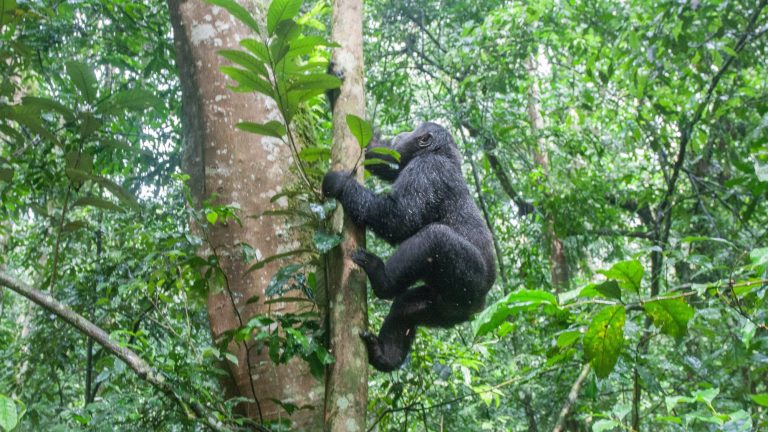

11 Days Uganda Primates Safari
by Tranquil Safaris Verified operator
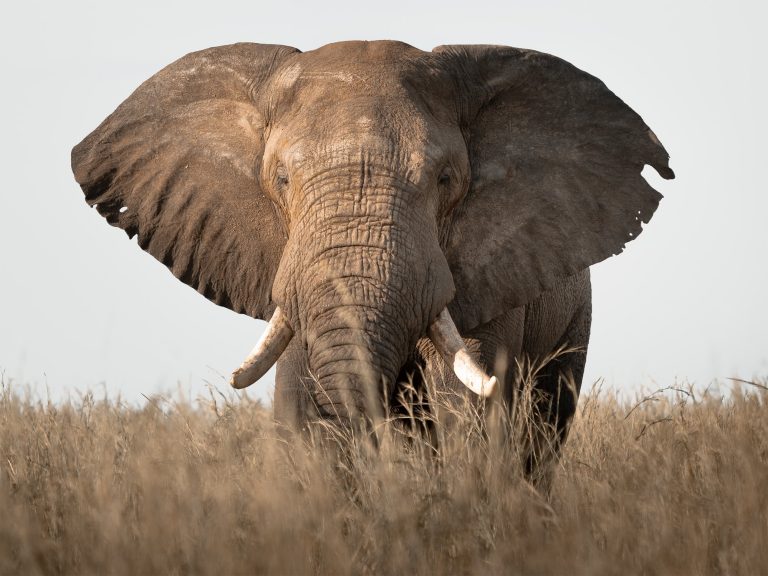
15 Days Uganda Safari
by Wild Whispers Africa Verified operator

15 Days Uganda Wildlife & Primate Safari
by Oree Safaris Verified operator