
Batwa Cultural Experiences in Uganda: Where the Money Goes
Guided walks led by Batwa men and women at Mgahinga, Bwindi and Semuliki, covering the eviction from the forests, what the fee pays for, and how to judge a visit before you go.
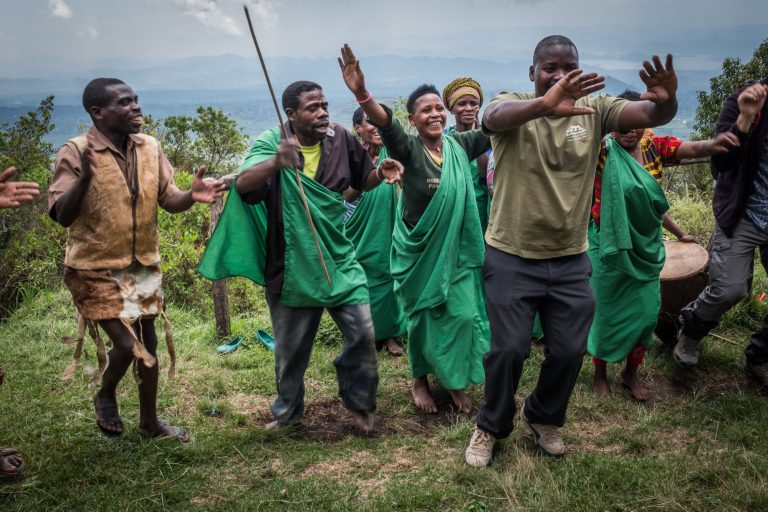
A Batwa cultural experience is a guided walk led by Batwa men and women through forest their families were evicted from when Bwindi and Mgahinga became national parks. Three versions run in Uganda: the Batwa Trail at Mgahinga, the Batwa Forest Experience at Bwindi, and a short visit at Semuliki. Who arranged it, and what the guides are paid, decides whether it reads as testimony or as display.
Safaris That Include Batwa Experience

10 Days Uganda Cultural Tour
by Insight Safari Holidays Verified operator
 Photo: Charles J. Sharp / CC BY-SA 4.0
4 Days Golden Monkey Trekking in Uganda
by Insight Safari Holidays Verified operator


4 Days Uganda Gorillas and Habituation
by Tranquil Safaris Verified operator
 Photo: Wood Wildlife Photography / CC BY-SA 4.0
4 Days Uganda Golden Monkey Trek
by Tranquil Safaris Verified operator
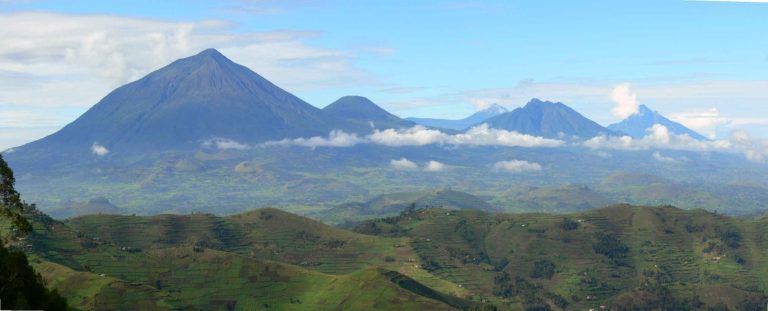 Photo: Byekwaso Blasio / CC BY-SA 4.0
7 Days Mount Mgahinga Gorillas, Golden Monkey and Volcano Hike
by Insight Safari Holidays Verified operator
Batwa Experience Guide in Uganda
What a Batwa Cultural Experience in Uganda Actually Is
A Batwa cultural experience is a guided walk led by Batwa men and women through forest country their families were removed from, ending in demonstration, story and song. Three versions run in Uganda: the Batwa Trail on the Virunga slopes at Mgahinga, the Batwa Forest Experience at Bwindi, and a shorter visit at Semuliki in the west.
None of them takes you to Batwa living in the forest. No Batwa live in the forest now. What you are shown is a reconstruction of life before the parks were gazetted, performed by the people who lived it or by their children. Whether that is testimony or theatre is the argument this page has to deal with.
The Eviction That Sits Under Every Batwa Tour
Batwa families hunted and gathered in the Bwindi, Mgahinga and Echuya forests long before anyone drew a park boundary. When Bwindi and Mgahinga were gazetted as national parks in the early nineteen nineties, they were put out. Because they held no title to land they had never farmed, most received no compensation and no replacement plot. They went to the roadsides and the hillsides, and a large share have stayed landless since.
The Constitutional Court in Kampala later found for them: the state was held responsible for the suffering caused by the eviction, and was ordered to pay fair compensation and to settle the Batwa on land of equal size to what was taken. Government appealed. As things stand the ruling has not turned into land or money for most families, which is why a guide on the trail may tell you about a court case and a promise in the same breath.
The Batwa Trail at Mgahinga: What the Walking Tour Covers
The Batwa Trail starts at the Ntebeko visitor centre inside Mgahinga and runs roughly four hours at a gentle pace. Batwa guides lead it, a park ranger walks with the group, and the route climbs steadily through the lower slopes before dropping to Garama Cave.
Along the way the guides demonstrate what forest life took: fire drawn from two sticks, bamboo cut for water, honey lifted from a hive, a bow drawn, plants named and their uses given. Some of it is practised and repeated. Some of it is not, and you can tell which by whether the old men argue about it.
Garama Cave ends the walk, a lava tube running back into the hill that served as refuge and council chamber. The women sing in it. Sources give its length differently, from around two hundred metres to rather more, and the passage open to visitors is shorter than either suggests. Take a torch.
The Batwa Forest Experience at Bwindi and the Semuliki Visit
At Bwindi the walk sits in the Buhoma area and grew out of work by a Batwa run organisation alongside the park authority and outside donors. Families demonstrate hut building, hunting technique, medicinal plants and dance in a set space rather than on a long trail. It fits either side of gorilla trekking, though not on trekking day itself.
Semuliki's version is short, real, and nearer to a half hour of conversation and dance. One stop among several in that park, not the reason to drive there.
Dignity or Display: the Live Argument About This Kind of Tourism
Critics of Batwa tourism make a specific charge. Visitors photograph families the way they photographed elephants an hour earlier; the costume is not what anyone wears at home; and very little of the fee stays with the performers. One writer in the field puts it bluntly: no Batwa person makes a full living from forest guiding, and no Batwa owned tour company exists in Uganda.
The defence is not that the criticism is wrong. It is that the alternative on offer is usually nothing. Batwa organisations chose to run these walks, argued for a larger share, and put the income into schooling, housing and health work. Researchers who spent time in these communities describe people running an enterprise and organising politically, rather than passive victims.
Both are true at once. The walk can be dignified work or a spectacle, and which one you buy turns on who arranged it and what they pay.
Where the Money Goes on a Batwa Experience
How to Judge a Batwa Trip Before You Commit
Ask four things of whoever arranges it. Who leads the walk, by name or at least by organisation. What the Batwa participants are paid, and whether that is a wage or a share. Whether the group can stop running it. And what the last surplus paid for.
A good operator answers three without hesitating and admits they cannot answer the fourth. One who answers all four smoothly, in their competitor's exact words, is reading a script. The test works for any community owned trip, and our Uganda cultural tour guide applies it more widely.
Visiting Well: Photographs, Questions and What to Carry on the Trek
Frequently Asked Questions About the Batwa Trail and Forest Walks
How much does a Batwa experience cost? The Batwa Trail at Mgahinga is USD 80 for a foreign non resident, and that figure includes park entrance, so do not let anyone add entry on top of it. The Bwindi Batwa Forest Experience is USD 40 and Semuliki USD 10, both excluding park entrance. Operator pages advertising group rates of USD 70 or USD 60 a head appear to be reading the foreign resident and East African columns of the same table, so budget the full rate.
Is it ethical to go at all? There is no clean answer and anyone giving you one is selling something. Going through an organisation that funds Batwa land, schooling and health work is a different act from paying a lodge to bring people over for an hour of dancing. If you cannot find out which you are buying, that is itself the answer.
How hard is the walk and can older travellers manage it? The Mgahinga trail climbs steadily on uneven volcanic ground over about four hours, and it beats people who expected a stroll. Bwindi's version is far gentler and Semuliki's is nearly flat. Say honestly what you can walk when you enquire and the route gets adjusted.
Can I do it on the same day as gorilla trekking? Better not. Trekking can run eight hours and you will have nothing left. Put the Batwa walk the day before or after, which also fills time while permits for your group are staggered.
Do I need to book ahead? Yes. All three need prior booking, since Batwa guides have to be brought in. Turning up at the gate on the morning does not work.
Will I be able to talk to people directly? Through a translator, usually. Most Batwa guides work in Rufumbira or Rukiga, with a park guide carrying it into English. Slow down and let the translation happen.
Uganda safaris are put together by independent Ugandan operators, and a Batwa walk is something you ask them to build into a route rather than something you buy here. Write to an operator, name which of the three walks you want, and ask them who the fee reaches. We take no booking and charge you nothing.