
Uganda Wildlife Safaris: How the Circuits Actually Work
A multi-day circuit through Uganda’s savannah parks for elephant, buffalo, lion, leopard, giraffe and antelope, usually combining Murchison Falls, Queen Elizabeth and Kidepo.
A Uganda wildlife safari is a multi park circuit pairing forest primates with savanna game, usually over seven to fourteen days by road. Gorillas in Bwindi, chimpanzees in Kibale and game drives in Queen Elizabeth or Murchison Falls are the standard combination. Uganda has no great migration and no single park holding the Big Five, and that variety is the reason people come.
Safaris That Include Wildlife Safari


4 Days Gorilla Safari Uganda
by Oree Safaris Verified operator
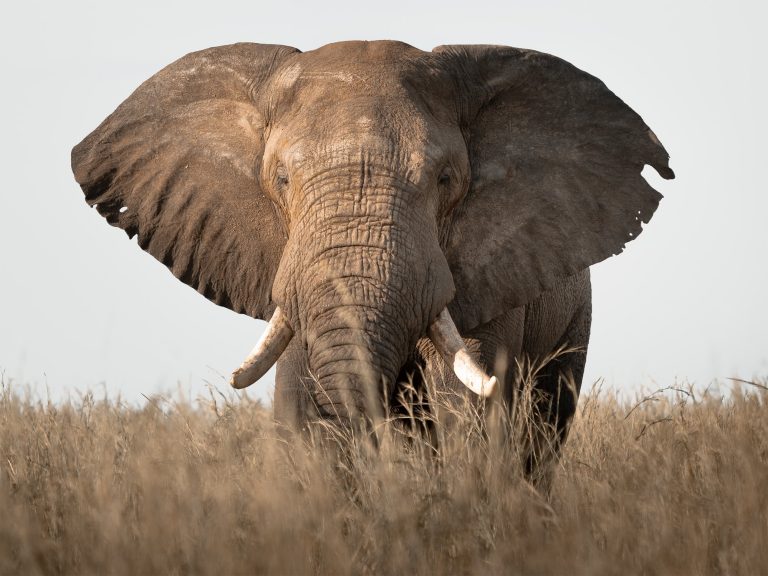

15 Days Uganda Safari
by Wild Whispers Africa Verified operator
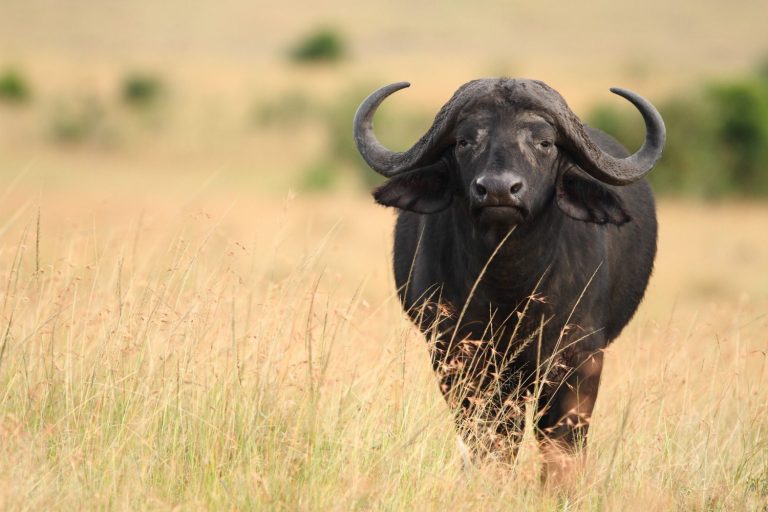

3 Days Kidepo Wildlife Safari
by Tranquil Safaris Verified operator
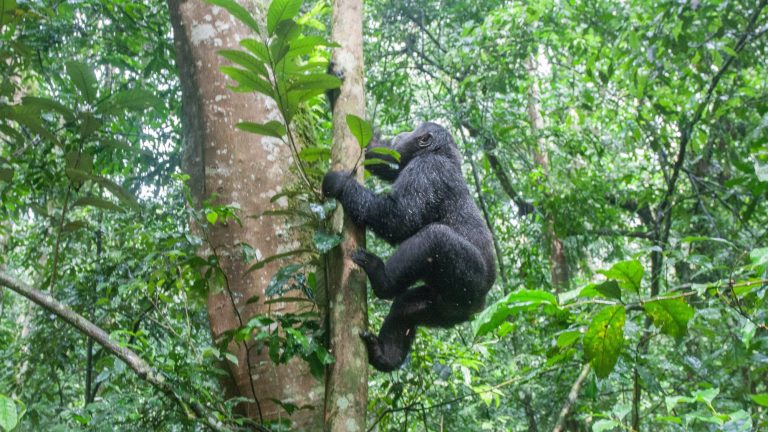
11 Days Uganda Primates Safari
by Tranquil Safaris Verified operator
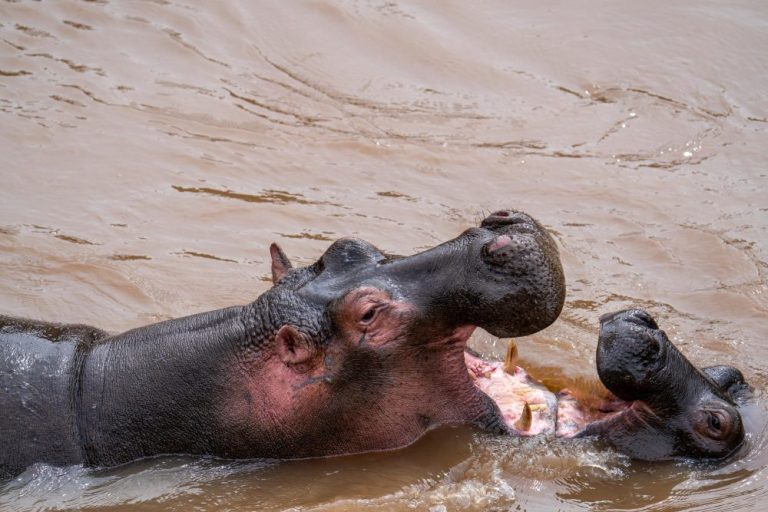
15 Days Best of Uganda Safari
by Tranquil Safaris Verified operator
3 Days Queen Elizabeth Safari Uganda
by Wild Whispers Africa Verified operator
See all 7 safaris that include wildlife safari
A Guide to Wildlife Safaris in Uganda
What a Uganda Wildlife Safari Means in Practice
A Uganda wildlife safari is a multi park circuit that pairs forest primates with savanna game, usually over seven to fourteen days, moving by road between four or five places. That combination is the whole proposition. Almost nowhere else can you walk to gorillas in the morning and be looking at elephant from a vehicle two days later.
The word safari does a lot of work in East African marketing and it means something slightly different here. In Kenya or Tanzania it usually describes days of driving across open grassland looking for large herds. In Uganda it describes a route, and the route is the product. You are buying a sequence of parks, a driver guide who stays with you throughout, and a set of permits and activity bookings arranged in advance.
Independent Ugandan operators put their trips together around that idea. They differ mainly in which parks they string together and how many days they give each one.
Why a Uganda Safari Is Not a Kenya or Tanzania Safari
Being straight about this saves disappointment. Uganda has no great migration, no Ngorongoro crater floor, and no single park where a morning produces thousands of animals in open view. Herds are smaller. Vegetation is thicker and greener, which is lovely to look at and harder to see through.
What Uganda has instead is variety packed into a country roughly the size of Great Britain. Ten national parks and twelve wildlife reserves hold more than 1,073 recorded bird species, which is about half of everything in Africa, and somewhere above three hundred mammals depending on whose checklist you read. Sources disagree on the mammal total, with published figures ranging from 331 to over 350, mostly because bats and shrews get revised.
The other difference is altitude and terrain. A single week can take you from papyrus swamp at 1,100 metres to montane forest above 2,300, through crater fields, across the equator twice, and into dry Karamoja country that looks nothing like the rest. Driving days are the price you pay for that.
The Primate Half of a Uganda Wildlife Safari
Most people book a Uganda safari because of the gorillas, and the rest of the trip gets built around that one permit. Bwindi Impenetrable National Park holds roughly half the world's mountain gorillas, and trekking there is a walking activity in steep forest, nothing like a game drive. Mgahinga offers the same species in a smaller park with a single habituated group.
Chimpanzees are the second pillar. Kibale Forest has the highest density of primates in the region and is where most chimpanzee tracking happens, with Kyambura Gorge and Budongo as alternatives. Add golden monkeys in Mgahinga, red colobus in Kibale and the L'Hoest's monkeys you see beside the road in the southwest, and the primate list alone justifies the trip for a lot of visitors.
These activities are permit controlled, capped daily and booked months ahead in high season. That single fact shapes the whole itinerary, because the gorilla day is fixed and everything else moves around it. Our gorilla trekking guide covers permits, sectors and fitness in full, and our Bwindi guide covers the park itself.
The Savanna Half: Parks on a Uganda Wildlife Tour
Four parks carry the driving side of a wildlife tour in Uganda. Queen Elizabeth is the most visited and the easiest to fold into a southwestern route. Murchison Falls is the biggest and the strongest for large mammals in one morning. Kidepo Valley is the wildest and the hardest to reach. Lake Mburo is the smallest and the closest to Kampala.
Nobody sensible visits all four on one trip. The usual pattern is one savanna park on a short primate focused route, or two on a fuller circuit. Our game drive page goes into the sectors, the tracks and the timings; this page is about how the parks fit together into a trip.
The Big Five Question on a Uganda Safari
Somebody will tell you Uganda has the Big Five. That claim needs unpicking, because it is technically arguable and practically misleading.
Said plainly: you can see all five animals on a Uganda trip, in two different places, one of them outside the national park system. That is a fair thing to sell and an unfair thing to imply. Our rhino tracking page covers how that stop works and what the reintroduction has achieved.
How Long a Wildlife Safari in Uganda Needs
Three days is enough for one thing done properly, most often gorillas or Murchison. It is not a circuit and it should not be sold as one.
Seven days is where a Uganda wildlife safari starts to work: two savanna parks or one savanna park plus both primate activities, with the driving spread rather than stacked. Ten to twelve days is the sweet spot, adding Kidepo or slowing the pace enough that you are not in the vehicle every afternoon.
Beyond a fortnight you are into the far northeast, the Rwenzori foothills, or repeat days in a park you liked. Those trips exist and repeat visitors book them. Our guide to how many days you need works through the arithmetic including the road times, which are the part people underestimate.
Seasons and Their Effect on a Wildlife Safari
Uganda sits on the equator with two rainy seasons and two drier stretches, roughly December to February and June to August for the dry windows. Wildlife viewing is possible year round, and the seasons change the difficulty rather than the availability.
In the drier months the grass is shorter, the animals concentrate near water and the tracks are firm. That is the classic game viewing window and the reason permits sell out. During the wetter months the savanna parks stay perfectly workable, forest trails get slippery and steep, and some minor tracks in Murchison and Kidepo become unreliable. The parks are quieter and the country is greener.
The northern and southwestern halves of the country run on slightly different rainfall patterns, which matters if your route covers both. Our month by month guide to the best time to visit sets that out in detail.
Reading a Uganda Safari Itinerary Before You Commit
Itineraries from different operators look similar and differ in ways that matter. A few things repay a close read.
Price differences between two apparently identical itineraries almost always come down to lodge tier and vehicle. Our cost guide breaks down where the money goes.
Frequently Asked Questions About Uganda Wildlife Safaris
What does a Uganda wildlife safari cost? The fixed costs are easier to state than the total. Park entry for a foreign non resident is around USD 45 per person per twenty four hours at Murchison Falls and USD 40 at Queen Elizabeth, Kidepo and Lake Mburo. A gorilla permit is USD 800 and the habituation experience is USD 1,500. Chimpanzee tracking in Kibale is USD 250. Everything else, meaning vehicle, driver guide, fuel and lodging, scales with the tier you choose and the length of the trip. Each operator carries its own pricing, and an enquiry gets you a quote for your actual dates rather than a range.
Is Uganda a good first safari, or should I go to Kenya first? Uganda is a good first safari if primates are part of the appeal. If you want classic plains game viewing and nothing else, Kenya or Tanzania will do it better, and there is no shame in saying so. Many people do Uganda second, precisely because the gorillas are the thing they came back for.
How much of the trip is spent driving? More than you expect. Road distances are moderate and average speeds are not, because of hills, trucks and villages. Entebbe to Bwindi is a full day. Murchison to Kibale is most of one. Flying between parks is possible and changes the shape of a trip considerably.
Can children come on a Uganda safari? On the savanna side, yes, with the usual caveats about early starts and long transfers. Gorilla and chimpanzee permits carry a minimum age of fifteen, which is the constraint that most often reshapes a family trip. Lake Mburo, Murchison and the rhino stop work well for younger children.
Do I need vaccinations and a visa? Yes to both, and yellow fever proof is checked on arrival. Our travel requirements guide covers the current rules.
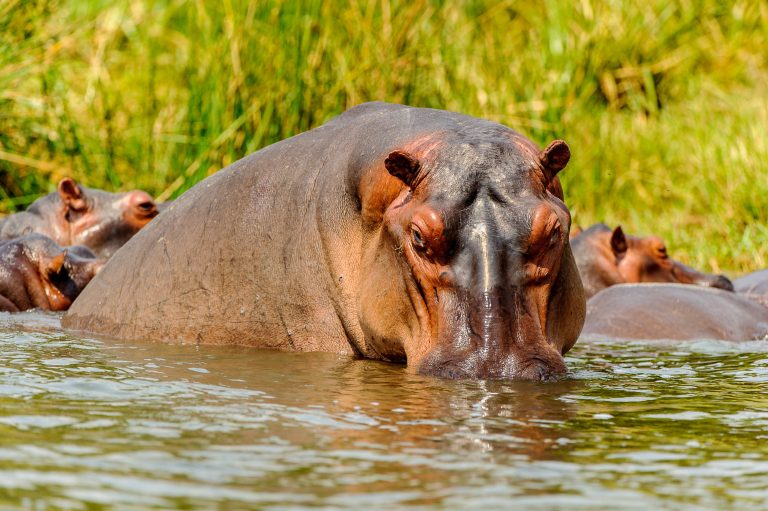
What wildlife am I most likely to actually see? Elephant, buffalo, hippo, Uganda kob, waterbuck, warthog, baboon and several monkey species across a few days of drives. Giraffe in Murchison and Kidepo. Lion likely in Kasenyi and Kidepo, less so elsewhere. Leopard rarely. Gorillas and chimpanzees are found on the great majority of treks, because trackers locate the groups each morning before visitors set out, which is a different thing from a chance sighting.
Is it safe? The tourist circuit has a long record of running without incident, and the practical risks are road accidents and malaria rather than anything dramatic. Standard advice applies about travelling with a reputable operator, using a driver who knows the roads, and taking prophylaxis seriously.
Every safari on this marketplace is put together and run by an independent Ugandan tour operator. Send your dates, your group and what you most want to see to the operator behind the trip that appeals, and they will reply with a proper itinerary and a real price. We take no booking and charge you nothing.