
Medicinal Plant Walks in Uganda: What the Herbalist Shows You
Traditional-medicine trails led by Batwa and local herbalists in Bwindi, Mgahinga and Bigodi.
A medicinal plants walk in Uganda is an hour or two with a local herbalist, naming plants, the part used and what people in that village use it for. Bigodi beside Kibale and the villages around Bwindi run the strongest versions of it. This page records those stated uses without endorsing any of them, because a travel site is not qualified to.
Safaris That Include Medicinal Plants Walk
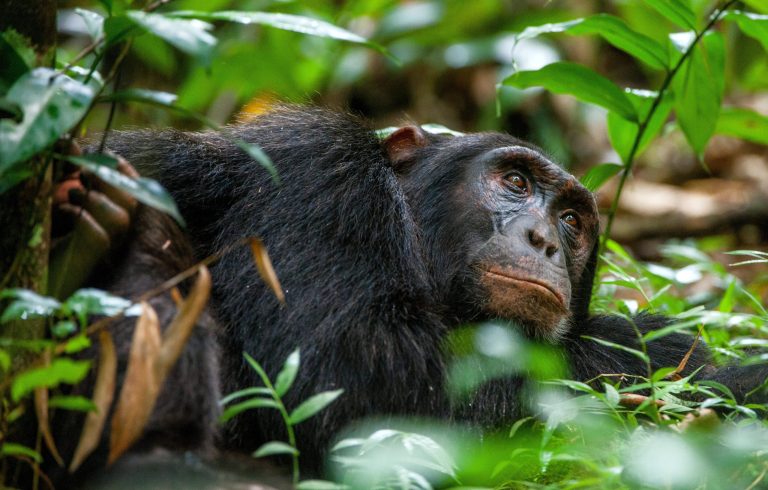

3 Days Chimpanzee Tracking Uganda
by Wild Whispers Africa Verified operator

3 days Ngamba Island Tour
by Wild Whispers Africa Verified operator
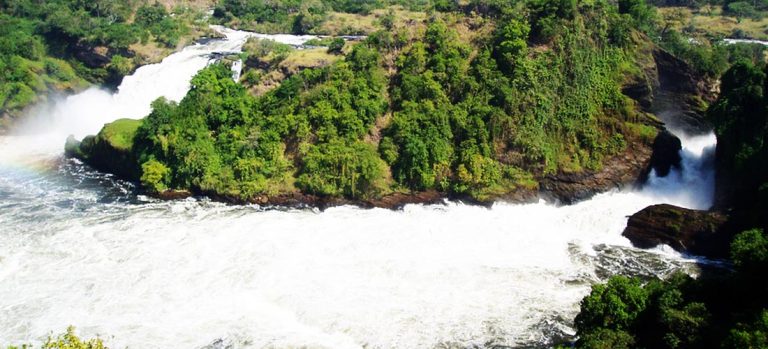

3 Days Murchison Falls Wildlife Safari
by Kori Safaris Verified operator
From $650 per person
View Safari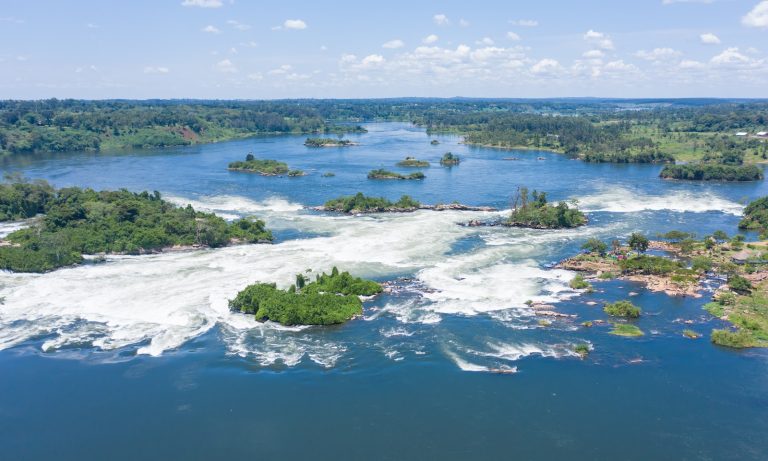
1 Day Jinja Private Tour Uganda
by Kori Safaris Verified operator
From $150 per person
View SafariA Guide to Medicinal Plants Walks in Uganda
What a Medicinal Plants Walk Covers on a Uganda Tour
A medicinal plants walk in Uganda is a guided hour or two on a forest edge or through a village, led by a local herbalist or by a community guide who works with one. You stop at plants, the guide names them, says which part is used, how it is prepared, and what people in that village use it for. Then you move on. It is closer to a working botany lesson than to a wellness activity, and the better guides are precise rather than mystical about it.
The product is real and it is specific to a handful of places. Bigodi beside Kibale and the villages around Bwindi run the strongest versions, because both have community associations that trained guides properly and because both sit next to forest that still holds the species. Elsewhere it usually appears as one stop inside a longer village walk rather than as an activity of its own.
Expect a small group, flat ground, and a pace set by talking rather than walking. Two hours covers a lot. Nobody is going to hand you anything to swallow, and a guide who tries should be declined politely.
Where Medicinal Plant Tours Are Strongest: Bigodi and Bwindi
Bigodi sits on the edge of Kibale National Park, around forty kilometres from Fort Portal. The community walk run by the KAFRED association includes a stop with a traditional healer who talks through herbs, preparations and the spiritual side of the practice, alongside elders' homesteads, the school and the trading centre. Three to four hours for the whole circuit, and the healer is usually the part visitors remember.
Around Bwindi, the Buhoma and Nkuringo village walks carry the same element. A healer's compound, drying racks, bark, roots and leaves laid out, and a conversation that ranges from malaria to snakebite to childbirth. Bwindi is the richer setting botanically, since the forest holds montane species that do not grow at lower altitude, and some of them are harvested legally inside the park.
Both are half day additions to a primate trip rather than reasons to travel. Pair them with chimpanzee tracking at Kibale or with a gorilla permit at Bwindi and the day builds itself.
Plants a Herbalist Tour Stops At, and Their Stated Uses
Ethnobotanical surveys around Mabira, Kibale, the Rwenzori region and eastern Uganda have recorded the same species coming up again and again. What follows is what those surveys and local herbalists say the plants are used for. It is a record of practice, not a recommendation, and the next section explains why that distinction is being laboured.
Leaves dominate. Surveys around Mabira found leaves in roughly two thirds of preparations, mostly boiled and taken by mouth, which matters because leaf harvesting does not kill the plant. Bark and root harvesting often does, and that is where the conservation argument starts.
Where This Site Stands on Herbal Remedies
We are not qualified to tell you whether any of this works, and we are not going to pretend otherwise.
What can be said plainly: these uses are documented, widely held and old, and Uganda's government takes traditional medicine seriously enough to run a research institute for it. What cannot be said from a travel page is that any preparation treats any condition. Some of these plants are the subject of serious pharmacological research and some are not. Dosage in village practice is not standardised. One study in rural Uganda found an association between traditional herbal medicine use and liver fibrosis, which is the sort of finding that should keep a tourism page modest.
So treat the walk as what it is: a window into how a large part of the country actually manages illness. Buy the guide's time and attention, not a bag of bark. If you take a prescribed medicine, do not swap it for anything you are shown, and do not carry plant material across a border.
Forest Edge Medicinal Walks and Tours Near Kampala
Mabira Forest, on the Kampala to Jinja road, is the closest serious forest to the capital and the site of one of the most cited ethnobotanical surveys in the country. Communities on its edge use a long list of species, and guided walks there sometimes include a plant element, though it is less formalised than at Bigodi.
Budongo, north towards Murchison, works the same way: the forest is known for chimpanzees and mahogany, and the plant knowledge sits with the village guides rather than in a packaged product. Ask by name and it can usually be arranged. Do not expect it to appear on an itinerary unprompted.
Kampala's markets are the other angle, and they need no guide at all. Roots, bark and dried leaves are sold openly alongside vegetables, mulondo among them, and half an hour walking a market gives a plainer picture of how common this is than any forest walk. Our market tour guide covers how to do that without being a nuisance.
Bwindi's Multiple Use Zones: Harvesting Inside a National Park
This is the part of the subject worth more attention than it gets. Bwindi allows registered forest societies from neighbouring parishes to enter defined zones of the national park and harvest specified resources, including medicinal plants and basketry materials. Off take is recorded after each harvest season by the society chairman rather than by a ranger.
It exists because the park was gazetted over land people were using, and shutting the forest completely produced conflict that no amount of patrolling was going to settle. Published work on the two most harvested medicinal species in the park, including the Rytigynia above, found that recent harvest levels sit within what those populations can carry, which is a genuine result and not a foregone one.
A herbalist walk near Bwindi is not a museum piece. The person showing you bark may hold a permit to collect it inside a national park, which is an arrangement very few parks anywhere have attempted. Ask about it. It is the most interesting thing on the walk.
Traditional Medicine in Uganda Beyond the Tour
Scale explains why this activity exists at all. Estimates of registered healers in Uganda run to twenty thousand, with far higher figures suggested for practitioners overall, against a physician ratio that leaves most rural villages without a doctor within reach. Most villages have at least one recognised herbalist and several traditional birth attendants. For a large share of the population this is not an alternative to medicine. It is the first thing tried, and often the nearest.
The state has engaged with that rather than fought it. A Ministry of Health research body has worked on validating and standardising herbal preparations for decades, and Ugandan NGOs have run joint training between traditional and clinical practitioners, particularly around HIV. None of that makes any single remedy effective. It does mean the herbalist you meet on a village walk is part of a recognised system rather than a curiosity arranged for you.
How to Get More Out of a Herbalist Walk on Your Safari
Ask process questions rather than cure questions. How much bark can be taken from one tree, how long before it can be taken again, who taught them, how they were chosen, what they refer onward to a clinic. Those get better answers than asking what cures malaria, and they are the questions the guide has thought hardest about.
A medicinal or herbalist element usually sits inside a village walk beside Kibale, Bwindi or a forest reserve. Ask the operator who leads it and how long is allowed, because thirty minutes squeezed before lunch is a different thing from a proper session.
Frequently Asked Questions About Medicinal Plant Tours
What does a medicinal plants walk cost? It is usually part of a community village walk rather than a separate ticket, and those are paid to the association that runs them at Bigodi and Buhoma. Published figures for Bigodi disagree, so our Bigodi page lists each source rather than quoting one. Where a healer session is arranged on its own, the fee is negotiated locally and modest. The village walks sit outside the park tariff, so no park fee applies to them. If your walk crosses into a national park, entry is separate at USD 40 per person per twenty four hours at Bwindi, Kibale, Queen Elizabeth, Mgahinga, Kidepo and Lake Mburo, and USD 45 at Murchison Falls. Our cost guide covers the rest of the budget.
Do these remedies actually work? We cannot tell you that, and any travel page that does is overstepping. Some species are under genuine pharmacological study, village dosage is not standardised, and at least one Ugandan study has linked herbal medicine use with liver damage. Treat the walk as a window into local practice and keep taking whatever your doctor prescribed.
How long does the walk take and how hard is it? One to two hours for the plant element, three to four if it sits inside a full village walk. The ground is flat or gently sloping, the pace is slow, and it suits older travellers and children better than almost anything else on a Uganda itinerary.
Can I buy herbs to take home? Please do not. Beyond the customs problem with plant material, Prunus africana bark is subject to international trade controls, and buying bark casually adds pressure to trees already under it. A basket from the same shop puts money in the same pocket without that cost.
Is a translator needed? No. Guides at Bigodi and Buhoma work in English and interpret for the healer, which is part of what the association fee pays for.
When is the best time of year to do one? Any month. Plants are in leaf year round at these altitudes, though paths through the village get muddy in the wetter stretches. Our best time to visit guide sets out the seasons.
Is it worth doing if I am not interested in herbal medicine? More often than people expect. The walk is really about how a village organises itself around what grows nearby, and it lands well with travellers who thought they were doing it to be polite.
Each safari on this marketplace is run by an independent Ugandan operator. Write to the one whose itinerary fits, say you want a proper session with a herbalist rather than a passing mention, and ask who the fee reaches. We take no booking and charge you nothing.