
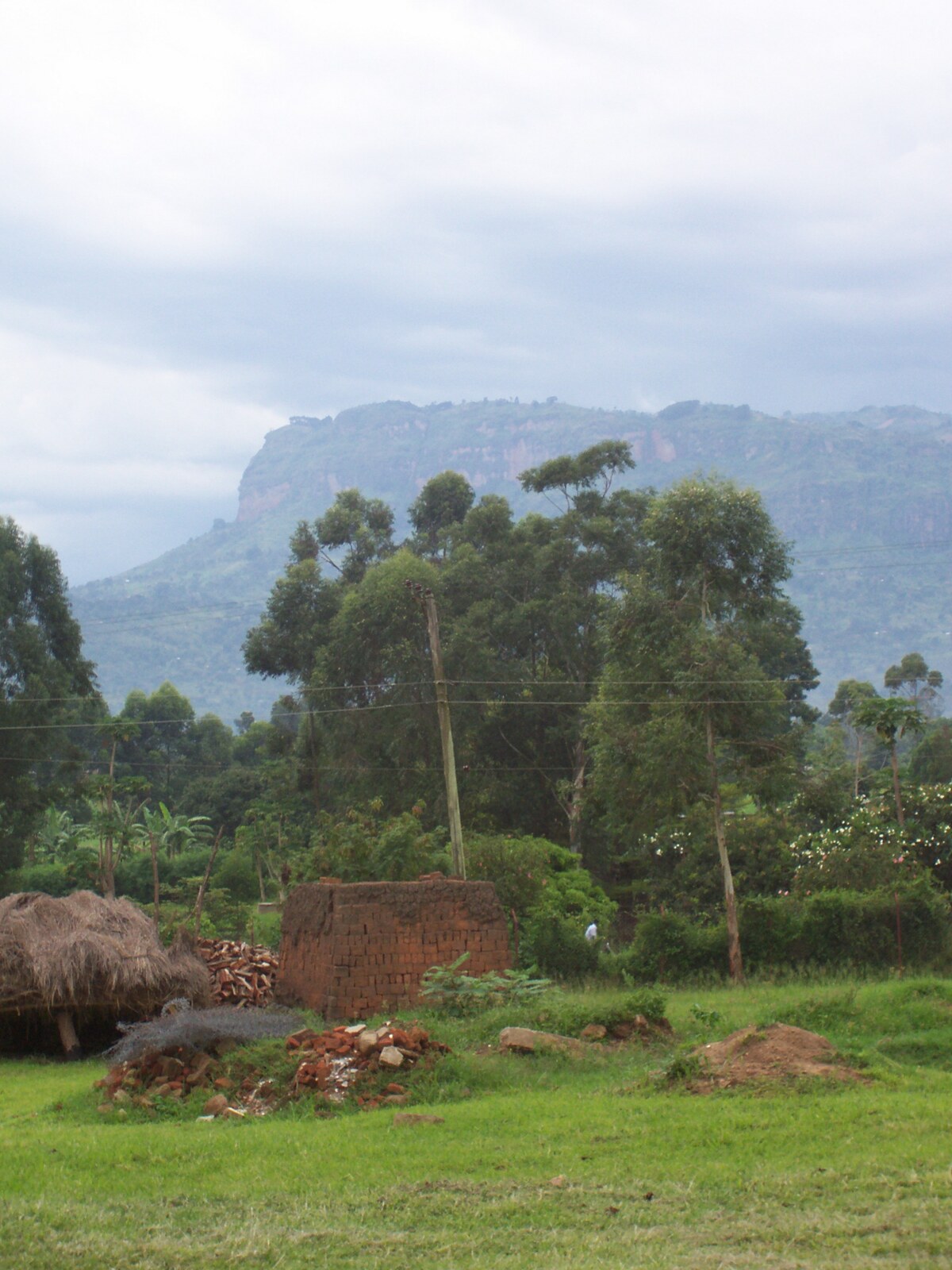
Mbale is eastern Uganda’s largest city and the working base below Mount Elgon, used mainly as a place to sleep, eat and pick up a guide before heading for Sipi Falls or the mountain trailheads. Most visitors give it one or two nights. The city sits at about 1,156 metres under the Wanale escarpment, roughly 225 kilometres northeast of Kampala, in the country’s Arabica coffee country.
Mbale City Tours and the Mount Elgon Base at a Glance
Here is the honest version, because it saves everyone time. Mbale is not a sightseeing city. There is no museum worth crossing the country for, no old quarter, no set piece attraction that would justify the drive on its own. One volunteer blogger who lived there put it in four words and she was not being unkind: there is really nothing to do in Mbale.
What Mbale is, is the door to everything east of it. Within an hour of the clock tower you have a 2,000 metre escarpment you can walk up before lunch, a coffee region with a global reputation, a Jewish community founded a century ago on a hill outside town, the trailhead for Uganda’s second highest mountain, and the cultural ground where the Bagisu launch their circumcision season. None of that is in the city. All of it is run from the city.
The town was laid out in 1903 by Semei Kakungulu, a Kooki general working for the British, and it grew into the trading centre for the whole Bugisu coffee belt. It became a city in July 2020. The most recent national census put the urban population near 290,000, which makes it one of the largest places in Uganda, though it does not feel it. The centre is small enough to cross on foot in a quarter of an hour, laid out on a grid Kakungulu drew, with the Wanale cliffs standing over the whole thing like a wall.
Two nights is the sensible allocation. One if you are only breaking the drive.
| Place | From Mbale | Drive |
|---|---|---|
| Nabugoye Hill | 4 km east | 15 minutes |
| Mutoto grounds | 5 km out | 15 minutes |
| Wanale Ridge | 7 km east | 20 minutes |
| Tororo Rock | 40 km south | 1 hour |
| Budadiri | north | 1 hour |
| Sipi Falls | 50 km northeast | 1 to 2 hours |
| Nyero rock art | 55 km northwest | 1.5 hours |
| Kapkwai centre | northeast | 2 hours |
Wanale Ridge Hiking Tours and the Khaukha Cave
The Wanale Ridge hiking tour is the one thing near Mbale that nobody expects and almost everybody rates. The ridge is the western shoulder of Mount Elgon, about seven kilometres from the middle of town, its cliff face rising to roughly 2,090 metres. You can see it from every street in Mbale. Very few visitors walk up it.
Two walks come off the same road. The shorter one goes to the foot of the waterfall and takes around 45 minutes of easy climbing through gardens and coffee. The longer one puts you on the ridge top in about two hours, steeply, on a path that starts among homesteads and finishes on open grass with the whole of Bugisu spread out below and, on a clear morning, the plains running away towards Karamoja.
The cave is the part people remember. Khaukha cave sits at the western end of the ridge and is understood locally as one of the first homes of the Bamasaba, the people who became the Bagisu. Inside it there are veins of magadi, a rock salt that animals and people have both come for over generations. There is no lighting, no walkway and no ticket office. You walk in with whoever guides you.
Water behaves strangely up here. The Namatsyo falls drop off the cliff, cut down through the rock and then vanish underground, coming back out lower down in the villages of Bumboi and Mooni. Guides will show you where it goes in and where it comes out, and the two points are far enough apart that it takes a moment to believe.
Go early. The cliff makes its own cloud by late morning, and the last stretch is greasy after rain. Arrange a guide through your hotel or at the trailhead village rather than walking up alone, partly because the route is unmarked and partly because the paths cross private gardens where a local face makes everything easier. Boots with grip matter more here than on Sipi.
Mbale City Walking Tours, the Clock Tower and the Main Market
A Mbale city walking tour takes about two hours and is worth doing on your first evening, mostly to work out where things are. The clock tower roundabout is the anchor everyone navigates by. From it, Republic Street runs through the commercial core, Cathedral Road and Pallisa Road head out towards the institutions, and the streets in between hold the banks, the pharmacies, the phone shops and the fabric stalls.
Mbale main market is the real attraction, and it is a working market rather than a craft market. Bamboo shoots in bundles, avocados the size of a fist, sacks of coffee parchment, secondhand clothes, live chickens. Go in the morning. Ask before photographing anyone, which holds everywhere in Uganda but especially in a market where people are trying to trade.
The rest of the town’s listed sights are modest and you should know that before you set off. There is a small culture and history museum tied to Mount Elgon, a wildlife education centre on the edge of town aimed largely at school groups, and a viewpoint above the city that people call the Mbale Overlook. The golf club, the cricket grounds and the municipal stadium round out the recreational list. Any of these fills a spare hour. None of them is a reason to stay a day longer.
What the city does well is function. There are working ATMs, several supermarkets, a decent hospital, mechanics who know Land Cruisers, and shops that sell trekking food. If you are heading up Elgon or north into Karamoja, this is the last place with all of that in one grid.
Bugisu Arabica Coffee Tours on the Mount Elgon Slopes
A Bugisu coffee tour is the most reliably good half day you can have from Mbale, and the region is the reason. Bugisu Arabica grows on volcanic soil on Elgon’s western and southern slopes, is washed rather than dried in the cherry, and sells internationally under the Bugisu AA grade. The cooperative that built the trade, the Bugisu Cooperative Union, was set up by farmers in 1954 and still operates from Pallisa Road in the city.
Most farm tours run in the hills between Mbale and Sironko, or higher up towards Sipi. A proper one walks you through the whole chain in a morning: seedlings in the nursery bed, the picking of red cherry by hand, pulping, fermenting in tanks, washing, then drying on raised wire mesh so nothing touches the ground. After that comes hulling, sorting, roasting in a pan over charcoal and pounding in a mortar. You drink it at the end, and it is usually the best cup you will have in Uganda.
Timing matters more than people expect. The main harvest runs from about October into February, so a tour in that window has cherry on the trees and pulping happening in front of you. Come in June and you are looking at green fruit and being told about it instead. There is a smaller second crop around May to July that keeps some farms busy.
Ask before you book whether the tour is at a farm or at a factory. Both are interesting and they are not the same thing. The farm visits tend to be run by families and end with lunch. The union and the larger exporters can sometimes arrange a look at grading and cupping, which is a different pleasure altogether.
The Imbalu Season, Mutoto Cultural Grounds and Kadodi Tours
The Imbalu season is the biggest cultural event in eastern Uganda and the single most misunderstood thing about Mbale, because almost every guide describes it without telling you when it happens. So: Imbalu runs in even numbered years only. The season is launched at Mutoto cultural grounds outside Mbale on the first of August, in front of the Umukuka, the cultural head of the Bamasaba, and tens of thousands of people. It then moves out into the villages of Bugisu and continues through to about December.
In odd numbered years there is nothing to see. Mutoto is a field.
Candidates are usually sixteen or older. They are smeared with yeast and millet flour, paraded, and expected to stand the cutting without flinching, which is the whole point of the thing in Bagisu terms. One recent season drew around six thousand initiates. Blades are now issued individually rather than shared, a change made for infection control.
If you go, go with a Ugandan guide who knows the family or the village, not on your own. Ask before photographing anybody, and accept no as an answer, because this is a medical procedure on a teenager as much as it is a festival. Dress modestly. Greet the elders first. Behave like a guest rather than an audience, and you will be treated very well, because the Bagisu are proud of Imbalu and pleased when outsiders take it seriously.
Abayudaya Community Tours at Nabugoye Hill
Four kilometres east of the city, on Nabugoye Hill, there is a Jewish community of between two and three thousand people who have been practising here for over a century. A visit to the Abayudaya is the most surprising thing you can do from Mbale and almost nobody writing about the town mentions it.
The community was founded in 1920 by Semei Kakungulu, the same man who laid out Mbale. He had worked for the British and for their missionaries, fell out with the protectorate administration over how little he was given in return, read the Old Testament closely, concluded that the covenant it described was the one he wanted, and had himself and his followers circumcised. The community he started survived Amin, when practising openly became dangerous, and came out the other side.
On the hill today there is a synagogue, a yeshiva, a school, the rabbi’s house and a guesthouse. The current building, the Stern Synagogue, replaced the older and much smaller Moses Synagogue. Another congregation meets at Namanyonyi village nearby. Services run in English and Hebrew on Friday evenings and again on Saturday mornings, and visitors are welcome at them.
Arrange it in advance through the community rather than turning up. If you come for Shabbat, understand that photography and phones are not appropriate during the service and that the community will feed you afterwards whether or not you expected it. The singing is the reason many people go: Abayudaya liturgical music sets Hebrew prayer to Ugandan choral and drum patterns, and hearing it in a hall on a hill outside Mbale is not something you will get anywhere else.
Semei Kakungulu Heritage Tours and the Gangama Tombs
Once you have been to Nabugoye, the Kakungulu heritage tour makes sense as a thread rather than a stop. He founded the town in 1903. He founded the Abayudaya in 1920. He is buried a few kilometres out, at Gangama, off the road that runs north towards Soroti, and his grave is on the same hill as the community he started.
The site is quiet and very lightly managed. That changed recently. The Semei Kakungulu Museum now stands on the site, restored by the Cross-Cultural Foundation of Uganda with the Kakungulu family and the International National Trusts Organisation on British Council Cultural Protection Fund money: the restored house, the mausoleum, heritage trails including one to the remains of the first Abayudaya synagogue, and a gallery holding around a thousand items. Check current opening hours before going, since they settled after an initial free week, and a guide from the city or from Nabugoye is still the easiest way to arrive. Expect a restored homestead and a museum on a hill with a long view, rather than the bare burial ground this was until recently.
The reason to bother is that Kakungulu explains eastern Uganda in a way the guidebooks do not. He was a Muganda soldier from Kooki hired to subdue a region he had no claim to, given a grand title and then quietly sidelined once the job was done, and he responded by founding a town and then a religion. The street grid you walked earlier, the hill congregation you visited, and this grave are three parts of one story.
Nyero Rock Painting Day Trips from Mbale
The Nyero rock paintings day trip takes you 55 kilometres northwest of Mbale, to a granite outcrop eight kilometres west of Kumi town, where the oldest known art in Uganda is painted onto the underside of overhanging rock. The drive is about an hour and a half on decent tarmac.
There are six shelters at Nyero, of which three are the ones you will be shown. The images are geometric rather than figurative: concentric circles in red pigment, canoe shapes, sausage forms, dots and lines, layered over each other in places where somebody painted on top of somebody else’s work. The largest panel carries more than forty separate marks. They are attributed to hunter gatherer communities ancestral to the Batwa, and the local communities around them treated the shelters as shrines long after the painting stopped.
Nyero has been on the UNESCO tentative list since 1997. There is a small site display and a caretaker who guides you, and the visit itself takes half an hour to forty minutes.
Be realistic about the scale of it. This is not Lascaux, and people who arrive expecting a gallery leave flat. What it is, is very old, very strange and almost completely unvisited, and if you are driving north towards Soroti or Karamoja anyway it costs you almost nothing to stop. Making a dedicated round trip from Mbale for it alone is a harder case to argue.
Mount Elgon Trekking Trailheads Reached from Mbale
Mbale is where Mount Elgon trekking gets organised. The Sasa trailhead at Budadiri is about an hour north of the city, the Sipi trail starts from the Kapkwai Forest Exploration Centre above Sipi, and the Piswa route begins further out at Kapkwata past Kapchorwa. Most trekkers sleep in Mbale the night before, buy their supplies here and meet porters at the trailhead in the morning.
The mountain itself is a separate undertaking of three to five days, camping, with the caldera and Wagagai peak at the top of it, and we cover the routes, the campsites and what each day actually involves in the Mount Elgon National Park guide. What matters from a Mbale point of view is simpler: this is the last town with banks, pharmacies, mechanics and food shops before you go up, and it is the first hot shower on the way down.
Anybody with only a day should walk Wanale instead. It is the same escarpment, seen from the same side, without four days of tent.
Sipi Falls Day Trips and What They Add to a Mbale Stay
The Sipi Falls day trip is the most common single excursion out of Mbale, running about fifty kilometres northeast up the Kapchorwa road, which climbs steadily and gets more spectacular the higher it goes. Allow an hour to an hour and a half each way depending on traffic through Sironko.
At the top there are three waterfalls linked by a guided community walk of three to four hours, abseiling beside the main hundred metre drop, coffee farms on the slopes above and viewpoints looking back down over the plains. The full picture of the routes, the community fee structure and which lodge sits where is in our Sipi Falls guide.
The advice worth repeating here concerns where you sleep. Sipi as a day trip from Mbale works, and plenty of people do it. Sipi with a night up there works better, because the light at the end of the afternoon and again at dawn is the whole point of the place, and because the drive back down in the dark on a wet mountain road is nobody’s favourite hour. If your schedule allows only one night in the region, spend it at Sipi and use Mbale for the shopping.
Birding Trips at Kapkwai and the Hills Around Mbale
Serious birding trips from Mbale head for the Kapkwai Forest Exploration Centre, in regenerating montane forest inside Mount Elgon National Park about thirteen kilometres from Sipi town. Three loop trails of roughly three to seven kilometres run out from it, taking in caves, small falls and escarpment viewpoints, and they hold most of what the mountain offers a birder at that altitude.
Hartlaub’s turaco is the bird people come for and it is not shy. Alongside it, the loops turn up lemon dove, African hill babbler, alpine chat, Chubb’s cisticola, Baglafecht weaver, moustached tinkerbird, Tacazze sunbird and mountain yellow warbler, with African goshawk overhead. Higher up the mountain the list changes again. Blue monkeys and black and white colobus use the same forest.
Closer to the city, the small forest reserves at Bufumbo and Wanala lie about five kilometres east and get almost no visitors. Further out to the southeast, roughly fifty kilometres, the Bulegeni and Butandinga cliffs and the hills around Bulukyeke and Bukigai give you escarpment scenery and raptors without a park gate. None of these places has infrastructure. You need a local guide and a vehicle that copes with wet murram, and in exchange you get country almost nobody photographs.
Malewa, Rolex and the Mbale Food Trail
Eating in Mbale is better than eating in most Ugandan towns of its size, and one dish is the reason. Malewa is dried and smoked bamboo shoot, harvested from the bamboo zone on Mount Elgon, stewed slowly, often with groundnut paste. It is the Bagisu staple and it appears at every graduation, introduction and circumcision ceremony in Bugisu. You will see it stacked in bundles on the street and in the market, and it has spread well beyond the region in recent years.
Order it once and take the texture on its own terms. It is soft, smoky and a little tannic, closer to a mushroom stew than to anything else, and people either take to it immediately or do not. Matooke and pilao fill out most menus alongside it.
The rolex, a chapati rolled around a fried egg with tomato and cabbage, is Uganda’s street standard and Mbale makes a good one, sold from stalls around the taxi park and the university quarter from late afternoon. For coffee, the city finally has cafes that serve the beans grown on the hill above it, which for years it strangely did not. Fruit from the market is the cheapest good thing in town: passion fruit, jackfruit, small sweet bananas, avocado by the kilo.
Best Time for Mbale Tours, Hikes and the Coffee Harvest
Mbale sits on the wet side of Uganda. Rain is possible in every month, and the difference between a good week and a bad one is more about how the paths behave than about whether you get wet at all. December through February is the driest and easiest stretch, and it lines up neatly with the coffee harvest. April and May are the wettest months by a wide margin.
Two practical consequences follow from that chart. If your priority is walking, aim for December to February or the June and July dip, because wet basalt and wet clay are the difference between an easy climb and a miserable one. If your priority is coffee, come between October and February when there is actually something happening on the farm.
And if you want Imbalu, the calendar decides for you: an even numbered year, from the first of August onwards.
Where to Stay and How to Reach Mbale for Your Safari
Accommodation in Mbale is plentiful and unglamorous, which suits what people use the town for. At the top there is Mbale Resort Hotel, the one with the pool and the conference trade, and the older Mount Elgon Hotel with its gardens. In the middle sit Wash and Wills, Landmark Inn, Sunrise Inn and a handful of similar places with reliable hot water and secure parking. At the bottom are guesthouses around Civic Centre Road and near the university, plus Casa del Turista, which is where a lot of overlanders end up. Almost everything is a short walk or a very short boda boda ride from the clock tower.
Getting there from Kampala takes four to five hours on tarmac by way of Jinja and Iganga, longer if you leave in the morning rush or hit the trucks on the Tororo road. Buses run all day. Elgon Flyer picks up on Colville Street in Kampala, and Teso Coach, Gateway and the older Post Bus service also work the route. Coaches are cheap and slow, shared minibuses are cheaper and slower, and a private transfer buys you the stops.
Once you are there, boda boda is how everyone moves, and fares are a fraction of Kampala’s. Agree the price before you sit down. The centre is walkable, so you only really need a ride for Nabugoye, Mutoto and the Wanale trailhead. For the day trips, hire a car with a driver for the day rather than piecing it together by motorcycle, especially in the wet months.
Onward, Mbale sits at a useful junction. Tororo and the Malaba crossing into Kenya are an hour south.
Soroti and the Teso region are two hours northwest.
Karamoja, Pian Upe and Kidepo run north from here, and Mbale is the last comfortable resupply before that road gets long.
Frequently Asked Questions About Mbale Tours and Day Trips
Is Mbale worth stopping in, or is it only a base?
Mostly a base, and there is no point pretending otherwise. The city itself gives you a market, a walkable centre, a couple of small museums and a very good plate of malewa. What earns the stop is everything within an hour: Wanale, the coffee hills, Nabugoye, Mutoto and the Elgon trailheads. Travellers who arrive expecting an attraction town are disappointed. Travellers who arrive planning to use it as a base are not.
How many days do I need in Mbale?
One night if you are only breaking the drive east or north. Two nights lets you walk Wanale in the morning and do a coffee farm or Nabugoye in the afternoon. Three makes sense if you want Nyero as well, or if you are timing a visit around Imbalu, when the villages matter more than the launch day. Anyone heading up Mount Elgon should plan a night here before and a night after the trek.
When exactly does Imbalu happen, and can visitors attend?
Even numbered years only. The season is launched at Mutoto cultural grounds outside Mbale on the first of August, and ceremonies then run in villages across Bugisu until around December. Odd years have no season at all. Visitors do attend and are usually made welcome, but go with a Ugandan guide who has a connection to the family or village, ask before taking any photograph, dress modestly and greet the elders. It is a rite of passage involving a real surgical procedure on a teenager, not a show put on for tourists.
What should I budget for Mbale and the trips around it?
Guesthouse rooms in town start in the low tens of US dollars, mid range hotels run roughly 40 to 70, and the two best known hotels sit higher. A bus seat from Kampala is a few dollars, a private transfer far more. Guided walks up Wanale are arranged locally and negotiated rather than fixed. Out at Sipi the community walk is around 15 US dollars and abseiling around 50, while Mount Elgon trekking runs to roughly 80 to 100 a day all in once park entry, trekking fees, porters and camping are counted. Rates move between tariff cycles, the wildlife authority does not publish them in a form that is easy to check, and a revised conservation tariff takes effect on 1 January 2027, so confirm the figure with the authority or your operator before you budget.
Can I hike Wanale Ridge on my own?
You can, and it is better not to. The paths are unmarked, they cross people’s gardens, and the branches that lead to the cave and the falls are not obvious from below. A local guide costs very little, gets you a friendly reception in the homesteads you pass, and knows which way is passable after rain. Start at first light, carry water, and wear something with real grip, because the top section is slick clay whenever it has rained in the last day.
Can I visit the Abayudaya synagogue at Nabugoye?
Yes, and visitors are received warmly, but write or call ahead rather than arriving unannounced. Services run Friday evening and Saturday morning in English and Hebrew. If you come for Shabbat, leave the camera and the phone alone during the service, dress as you would for any place of worship, and expect to be fed afterwards. There is a guesthouse on the hill if you want to stay for the whole of Shabbat, which is when the singing is at its best.
Is Mbale safe, and can I walk around at night?
Mbale is a calm town by Ugandan standards and daytime walking in the centre is straightforward. After dark, take a boda boda rather than walking, keep your phone out of sight around the taxi park, and use the marked cash machines during the day. The hills around town are safe to walk in daylight with a guide. The greater risk is the road, so avoid travelling long distances at night and be firm with any driver who wants to overtake on blind bends coming down from Sipi.
What should I pack for Mbale and the hills above it?
Boots with grip for Wanale and Elgon, since trainers will not hold on wet clay. A rain jacket in every month, because the escarpment makes weather even in the dry season. A fleece for evenings at altitude if you are going up to Sipi or Kapkwai. Sun protection for the open ridge top. Small denomination cash, since card payment thins out fast outside the city. A torch for the cave, and a modest change of clothes if you plan to attend a service at Nabugoye or a ceremony during Imbalu.
Mbale rewards travellers who treat it as a working base rather than a sight, because everything good is within an hour of the clock tower and almost none of it is signposted.
A six day Mount Elgon and Sipi Falls trip covers the mountain and the falls that this town serves as the base for.
Ask which day trips a package actually includes, and confirm the Imbalu calendar before planning a visit around the ceremony.
4 Places to Visit in This Area
Individual sites within reach of here, each with its own guide. Some are written up because the name circulates and the place does not, which is worth knowing before you plan a drive around one.
Safaris That Visit Mbale
Every safari listed here that visits Mbale. Each is sold and run by an independent Ugandan tour company. This site lists them and passes on enquiries; it takes no booking and charges you nothing.
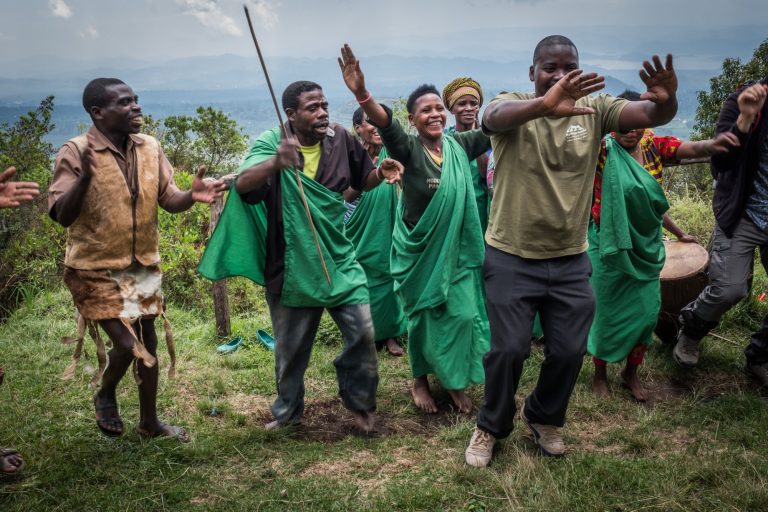

10 Days Uganda Cultural Tour
by Insight Safari Holidays Verified operator
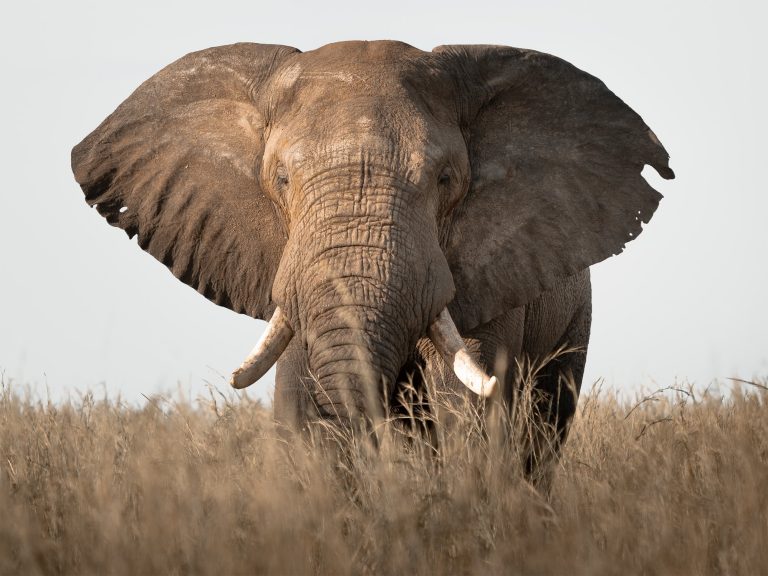

15 Days Uganda Safari
by Wild Whispers Africa Verified operator