
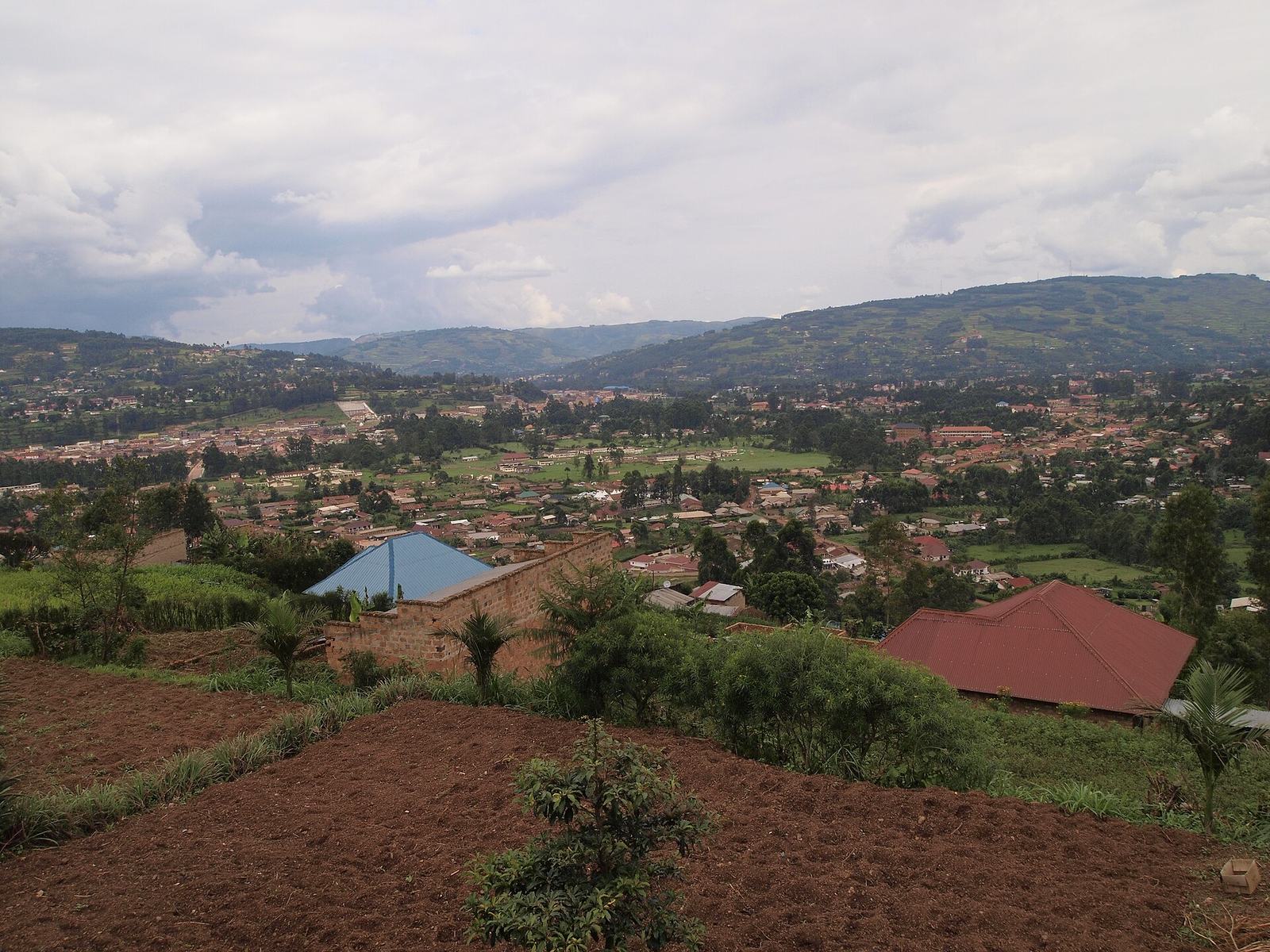
Kabale is the highland town at the centre of the Kigezi hills and the road hub for Lake Bunyonyi, the southern Bwindi sectors and the Rwanda border. Most travellers pass through it rather than stay, though that decision is closer than the guidebooks suggest. The town sits close to 2,000 metres in southwest Uganda, about 410 kilometres from Kampala, among terraced slopes farmed by the Bakiga.
Kabale Town Tours and the Kigezi Highlands at a Glance
Kabale is a valley town wrapped by three hills, Makanga, Rugarama and Rushoroza, with terraces climbing every slope in view. It is the highest town of any size in Uganda and the altitude is the first thing you notice, because it is cold here. Nights drop to fourteen or fifteen degrees all year, and visitors who packed for equatorial Africa spend the evening in every layer they own.
A Kabale town tour does not take long. The centre is a few streets around Kabale Road, with banks, a market, a cathedral on the hill and a university on the edge of it. About 65,000 people live here by the most recent census, which makes it a working service town for the whole Kigezi sub region rather than a resort. Cabinet approved raising it to a city, but that upgrade has never been switched on, and ministers have argued in public about whether the country can afford it. Kabale remains a municipality.
The name comes from the Rukiga word for a small stone, which is why people here call it Kastone. The other nickname, the Switzerland of Africa, is a colonial invention that has outlived its inventors. The hills do look the part in clear weather.
What brings travellers is what surrounds it. Lake Bunyonyi is twenty minutes away. Three of Bwindi’s four gorilla trekking sectors are within a morning’s drive. The Rwandan border is half an hour south and Kigali is a shorter run from here than Kampala. Kabale is a junction with a market attached, and the useful question is not what to see in it but how long to stay and where to sleep.
Kigezi Hill Walking Tours Above Kabale Town
The best thing to do in Kabale is climb out of it. A Kigezi hill walking tour from the edge of town takes you into the terraces within fifteen minutes on foot, and the terracing is the point. These slopes were cut by hand over generations because the population outgrew the flat land, and they are among the most heavily farmed hillsides in East Africa. Sorghum, Irish potatoes, beans, peas and sweet potato grow in steps that follow the contour lines.
Makanga Hill behind the town gives the easiest climb and the widest view, and it holds the district offices, so the track up is decent. Rugarama and Rushoroza take longer. On a clear morning the Virunga volcanoes show on the southwestern skyline, which is the shot everyone wants and the reason to go up early rather than late.
Guided walks are arranged through lodges in town or at the lake, and the guide is worth it for the farming conversation rather than for route finding. Mountain biking has grown here too, with operators running the ridge tracks between Kabale and Bunyonyi. The gradients are steep in both directions. Anyone treating this as a gentle ride will find out otherwise in the first kilometre.
Two practical points. The paths are clay and they turn greasy within minutes of rain, which happens most afternoons outside June and July. And these are working farms, so walk the edges of plots and greet people rather than cutting through.
Kabale Town Tours, the Central Market and Makanga Hill
The market is the honest centre of any Kabale town tour. It runs on highland produce that you will not see in Kampala at the same quality: Irish potatoes by the sack, passion fruit, sorghum, honey, and the woven baskets and mats the Bakiga women make. Trading is busiest on market days, and on a quiet morning half the stalls are shut, so ask at your hotel before walking down.
The Kabale Regional Museum covers Kigezi history, the ethnic makeup of the region, ceremonies and the economic changes that came with the mission and the colonial administration. It is small. Twenty minutes covers it, and it is worth those twenty minutes because nothing else in town explains what you are looking at on the hills.
Beyond that the centre gives you what a service town gives you: several banks with working ATMs, two supermarkets, a golf course on the town edge, pharmacies and a regional referral hospital. For anyone heading into Bwindi or across to Kisoro, this is the last place with all of those in one street, which matters more than it sounds when the next town is a forest.
Boda bodas cover the town for very little. Agree the fare before you get on. Walking the centre end to end takes about fifteen minutes and is comfortable in daylight.
Rushoroza Cathedral and Kigezi Mission Heritage Tours
Rushoroza Hill carries the Catholic cathedral and the seat of the Kabale diocese, and a short heritage tour up there is the only way to understand why this small highland town has three hospitals, several seminaries and a university.
Missionaries reached Kigezi in the early nineteen tens, and the catechist Yowana Kitagana walked in from Buganda to begin the work before any European priest arrived. The first church went up shortly afterwards. Anglican and Catholic missions both took root fast in these hills, built schools and clinics alongside the churches, and the institutions they left are still the region’s largest employers after farming. All Saints Church in the town centre is the Anglican counterpart.
Services are worth attending if you are here on a Sunday, and visitors are welcome at both. Dress modestly, arrive on time, and expect singing rather than a performance. The view from Rushoroza back down over the tin roofs and the terraces is the best in town and costs nothing.
Ihimba Hot Springs Trips on the Katuna Road
About eight kilometres south of town on the Katuna road, the Ihimba hot springs bubble up through the valley floor. A hot springs trip from Kabale takes half a morning including the drive, and expectations should be set low and then met.
This is not a spa. There is no pool, no changing room, no ticket office in any reliable sense. It is hot mineral water rising in an ordinary patch of ground that local people have used for generations, believing it eases back pain and joint trouble. Analysis has found magnesium chloride, calcium sulphate and calcium phosphate in the water, which is a plausible basis for the soaking without being the cure the stories claim.
Go with someone local. The site is not signposted in a way outsiders can follow, the value is entirely in the conversation with whoever is there, and arriving alone in a vehicle tends to produce an awkward negotiation rather than a visit. Half an hour on site is plenty.
Kisiizi Falls Day Trips From Kabale
Kisiizi Falls day trips run about 46 kilometres north of Kabale, over the district line into Rukungiri, and they take a full morning or a lazy day. The falls drop roughly thirty metres off a shelf on the Kyabamba river, and the setting is a working mission compound rather than a picnic site.
The history is grim and it is the reason people come. Until the practice ended, Bakiga families threw unmarried pregnant daughters from the top of the falls. It was punishment, publicly carried out, and it stopped within living memory of the older generation. You will see death tolls quoted online that run into six figures. Those numbers are folklore rather than record, and repeating them does the history no favours. What is documented is the practice itself, the monument that now marks it, and the fact that the Church of Uganda built a hospital here in 1958 on the same ground.
The hospital is still running, with a nursing school beside it, and a small hydro turbine on the falls has supplied its electricity for decades at a few hundred kilowatts. Guest rooms on the bend above the water can be booked, and there is a suspension bridge and a short walking trail. Visits are arranged through the hospital’s own guest services rather than through a tour desk.
The drive is tarmac most of the way and then murram. In the wet season add an hour and take a vehicle with clearance.
Lake Bunyonyi Trips From Kabale Town
Lake Bunyonyi trips leave Kabale constantly, because the lake is only eight kilometres out and the road climbs the ridge and drops to the water in about twenty minutes. Boda bodas do the run for very little, shared taxis go when full, and lodges send transfers.
The lake fills a drowned river valley, wraps around twenty nine islands and sits in some of the most photographed country in Uganda. It is bilharzia free and crocodile free, which makes it one of the few lakes in the region people swim in. You will read everywhere that it is the second deepest lake in Africa. Nobody has produced a survey that proves it, and at least one of the operators repeating the claim hedges it, so treat it as a good story rather than a fact.
What you do there is slow: dugout canoes, island visits including Punishment Island with its own hard history, birding along the papyrus edges, and sitting still. Our full Lake Bunyonyi guide covers the islands, the canoe hire and the lodges in detail, so the only thing to add from the Kabale end is the timing. Get out to the lake in the afternoon and back into town the night before an early departure, rather than trying to leave the lake at dawn on a wet road.
Gorilla Trekking Safaris Reached From Kabale: Ruhija, Rushaga and Nkuringo
This is what most people are really planning when they look up Kabale. Gorilla trekking safaris in Bwindi Impenetrable National Park run from four trailhead sectors, and Kabale is the practical staging post for three of them. The choice matters more than the distance, because the surfaces are wildly different.
Permits are issued by the wildlife authority for a fixed number of people per group per day and they sell out months ahead in the dry seasons. Book the permit before the lodge, not the other way round, because the permit dictates which sector you sleep near. Trekking itself runs from under an hour to a full day, and nobody can tell you in advance which you will get. Sightings are not guaranteed, though groups that are already habituated are found on most days.
Our Bwindi Impenetrable National Park guide covers the sectors, the briefing, the fitness question and the packing list properly. From Kabale, the practical advice is simple: sleep at the sector the night before, not in town, because a three hour murram drive starting at four in the morning is a bad way to begin a trek.
Mgahinga and Kisoro Tours on the Tarmac Road West
The road from Kabale to Kisoro changed this region. Before it was surfaced the run took over six hours on a track that broke vehicles. Now Kisoro tours from Kabale take about two hours over eighty kilometres of modern tarmac, climbing through the Echuya forest belt and over a saddle with the Virunga volcanoes standing up ahead of you.
Kisoro town is the base for Mgahinga Gorilla National Park, the smallest of Uganda’s parks and the one with golden monkey tracking alongside its single gorilla family, plus the volcano climbs on Muhavura, Gahinga and Sabyinyo. It is also the jumping off point for Lake Mutanda and for the Bunagana crossing towards Congo, though that border’s status changes with events and should be checked rather than assumed.
The drive itself is worth doing even if you do not stop. The stretch through Echuya Central Forest Reserve is bamboo and montane forest at over 2,300 metres, cold and often in cloud, with Batwa communities settled along the roadside after their eviction from the forest. Our Echuya Forest and Mgahinga Gorilla National Park guides go further into both.
Crossing to Rwanda at Katuna on a Gorilla Safari Itinerary
Kabale is the last Ugandan town before the border, and a growing share of visitors reach it from the Rwandan side rather than from Kampala. The Katuna post, called Gatuna in Rwanda, sits south of town on the Kigali road, about half an hour by car. It runs twenty four hours.
The arithmetic is what makes this route popular on a gorilla safari itinerary. Kigali to Kabale is a short morning. Kampala to Kabale is most of a day. Flying into Kigali and driving north cuts an entire day of road out of a Bwindi trip, which is why many operators now quote both options.
Practical notes from people who cross regularly. Arrive before noon, since the post gets busiest in the middle of the morning and clearance runs from half an hour to an hour and a half depending on the queue. Carry your yellow fever certificate where you can reach it. The East Africa Tourist Visa covers Uganda, Rwanda and Kenya on one document and saves money on a two country trip. If you are in a hired vehicle, the paperwork for taking it across takes longer than the passport control does, so confirm with the hire company well beforehand that the car is cleared to leave Uganda.
Bakiga Food, Sorghum Beer and Kabale Market Tours
Kigezi eats differently from the rest of Uganda, and an informal market tour plus one good meal will show you why. This is potato country. Irish potatoes, not matooke, are the staple that the highland climate rewards, and they turn up boiled, in stew and fried at every hour.
Sorghum matters as much. Obushera, the fermented sorghum or millet drink, is sold everywhere and is mildly sour, thick and better cold. Enturire is its stronger relative, sorghum brew sweetened with honey, and it is a social drink rather than a tourist one, which means being offered it is a courtesy worth accepting at least once. Roast pork is the town’s evening food, eaten at the pork joints along the main road with a pile of chips and raw onion.
Hotel restaurants run buffets of local dishes in the evening, and they are reliable if unexciting. The better eating is in the small places off the main street where the menu is short and the potatoes are local. Ask what came from the hills that week.
Best Time for Kabale Tours and Kigezi Highland Trips
Kabale’s weather is the opposite of most people’s mental picture of Uganda. Daytime highs sit between twenty three and twenty five all year and nights hold around fourteen to fifteen, so the temperature barely moves. Rain is the variable, and Kigezi gets a lot of it, close to 1,700 millimetres a year spread across nearly every month.
The practical reading. June to early September and the January window give the firmest roads and the clearest views of the Virungas. March to May and October to November are wet enough to change your plans, and the sector you choose in Bwindi matters far more in those months than in the dry ones. Rain almost never cancels a day here; it just makes the clay unforgiving.
Pack for cold. A fleece and a waterproof are needed in every month of the year, and visitors who arrive with only summer clothing spend their first evening buying a jumper in the market.
Where to Stay in Kabale and How to Reach the Town for Your Safari
Accommodation in Kabale runs from very cheap to comfortable, with nothing at the top end, because the top end went to Lake Bunyonyi years ago. Backpacker rooms and small guesthouses around the centre are basic and warm enough. In the middle, White Horse Inn on Makanga Hill is the old colonial era hotel with gardens and about sixty rooms, Cepha’s Inn sits by the golf course with a pool, and Green Hills on the Makanga side has the view and around two dozen rooms. Any of the three works for a night before an early start.
Coaches from Kampala take seven to nine hours depending on the operator and how often it stops, and several companies run the route daily from the main bus parks. Travellers consistently report the same two things: pick a company with a reputation for steady driving, and take a daytime departure. Night travel on this road is where the accidents happen, and it is the one piece of advice every experienced traveller on this route repeats.
| Destination | Road distance | Drive time |
|---|---|---|
| Kampala | 410 km | 7 to 8 hours |
| Mbarara | 142 km | 2 hours |
| Lake Bunyonyi | 8 km | 20 minutes |
| Katuna border | south of town | 30 minutes |
| Kigali | about 110 km | 3 to 4 hours |
| Kisoro | about 80 km | 2 hours |
| Bwindi Rushaga | about 90 km | 2 to 3 hours |
| Bwindi Ruhija | 95 km | 3 to 4 hours |
| Bwindi Nkuringo | 105 km | about 3 hours |
| Kisiizi Falls | 46 km | 1 to 2 hours |
By air there is no useful option. Kabale has no passenger service, and fly in visitors use the Kihihi or Kisoro airstrips for Bwindi, then transfer by road. Coming from Kigali, most people take a private transfer or a cross border coach and clear the border on the way.
Frequently Asked Questions About Kabale Tours and Stopovers
How much should I budget for a night in Kabale and a day out from it?
Backpacker beds and simple guesthouse rooms run roughly USD 10 to USD 25. Mid range hotels such as White Horse Inn, Cepha’s Inn and Green Hills sit around USD 40 to USD 80 for a double with breakfast. A meal in a local restaurant is a few dollars, a hotel buffet dinner around USD 8 to USD 12. A boda boda to Lake Bunyonyi costs a couple of dollars and a private transfer many times that. A coach seat from Kampala is about USD 15. Rates move, so confirm at booking.
Should I stay in Kabale town or at Lake Bunyonyi?
Lake Bunyonyi is the nicer place to be and Kabale is the easier place to operate from. If your next move is an early bus, a border crossing or a long drive to a gorilla sector, sleep in town, because the lake road in the dark and the wet is not where you want to start a difficult day. If you have a spare night and no deadline, go to the lake. Travellers with two nights usually do the lake first and town second.
Which Bwindi sector should I choose if I am coming through Kabale?
Rushaga in most cases. It is quickest to reach because the drive is mostly on the surfaced Kisoro road, it holds the largest number of habituated groups so permits are easier to get, and the trekking is manageable. Ruhija is closer on paper but the road is murram the whole way and needs a four wheel drive. Nkuringo has the steepest walking. Buhoma is better reached from elsewhere entirely. Whichever you pick, sleep near that sector the night before rather than driving out from Kabale at dawn.
How cold does Kabale get, and what should I pack?
Colder than almost anyone expects. Nights sit around fourteen or fifteen degrees all year and the rooms are rarely heated, so bring a fleece, long trousers and something windproof. Add a proper rain jacket in every month, because even the dry months throw showers. Walking shoes with grip matter on the terrace paths, which turn to slick clay within minutes of rain. A hot water bottle is a genuine luxury here and some guesthouses will fill one for you.
Is it better to reach Kabale from Kigali or from Kampala?
From Kigali, if the rest of your itinerary allows it. Kigali to Kabale through the Katuna border is a short morning against most of a day from Kampala, and it removes the worst stretch of Ugandan highway from the trip. The trade is the border formality and the need to sort out cross border paperwork if you are driving a hired vehicle. Travellers combining Uganda with Rwanda should look at the East Africa Tourist Visa, which covers both countries on one document.
How long does the Katuna border crossing take?
Half an hour to an hour and a half once you are at the counter, depending on the queue and the time of day. The post runs around the clock but the middle of the morning is the busiest, so aim to arrive before noon. Have your passport, yellow fever certificate and visa arrangements ready before you join the line. Vehicle paperwork takes longer than the passport itself, which surprises most self drivers.
Is Kabale safe, and what about travelling at night?
The town is calm and people are used to visitors passing through without making a fuss of them. Ordinary care applies in the market crowd and around the bus park. The real risk here is the road, not crime: night driving and overnight coaches on the Kampala route carry a genuinely bad record, and the standard advice from anyone who travels it often is to move in daylight only. Within town, take a boda after dark rather than walking back from a bar.
Do I need a four wheel drive based in Kabale?
Not for the town, the lake, Kisoro or the Rwandan border, all of which are surfaced. You need it for Ruhija and Nkuringo, for the last stretch to Kisiizi Falls in the wet, and for any of the hill tracks after rain. Most visitors hire a vehicle with a driver for the whole southwest rather than for single legs, and on these roads a driver who knows them is worth more than the extra clearance.
What do gorilla permits cost from the Kabale sectors?
A gorilla trekking permit in Bwindi is USD 800 for a foreign non resident and USD 700 for a foreign resident, covering one hour with a habituated group, and that USD 800 does not change under the tariff announced for 1 January 2027. The gorilla habituation experience, available in the southern sectors, is USD 1,500 and gives four hours, rising to USD 1,800 on 1 January 2027. A discounted low season permit of USD 600 applies in April, May and November and cannot be moved to another date. Permits are limited per group per day and the dry season sells out many months ahead, so book the permit first and arrange the lodge around it. Since 1 March 2026 there is no seven day unpaid hold, so a permit is only yours once it is paid for in full.
Kabale earns its place on a Uganda itinerary as the town that makes the rest of Kigezi reachable, and the travellers who get the most from it are the ones who use it deliberately rather than passing through by accident. The town is written into trips at both extremes, from a single day gorilla trek run out of Kabale or Kisoro upwards.
At the other end sit longer loops such as the six day gorilla tracking route through Lake Mburo and the Kabale highlands, which give the highlands a night of their own.
Browse the wider gorilla trekking, Lake Bunyonyi and southwest Uganda itineraries from vetted Uganda based tour operators on Uganda Safaris, and confirm which Bwindi sector your permit is issued for before booking a bed.
2 Places to Visit in This Area
Individual sites within reach of here, each with its own guide. Some are written up because the name circulates and the place does not, which is worth knowing before you plan a drive around one.
Safaris That Visit Kabale
3 of the 4 safaris listed here that visit Kabale, from different operators where the listings allow it. Each is sold and run by an independent Ugandan tour company. This site lists them and passes on enquiries; it takes no booking and charges you nothing.

15 Days Uganda Safari
by Wild Whispers Africa Verified operator

15 Days Best of Uganda Safari
by Tranquil Safaris Verified operator
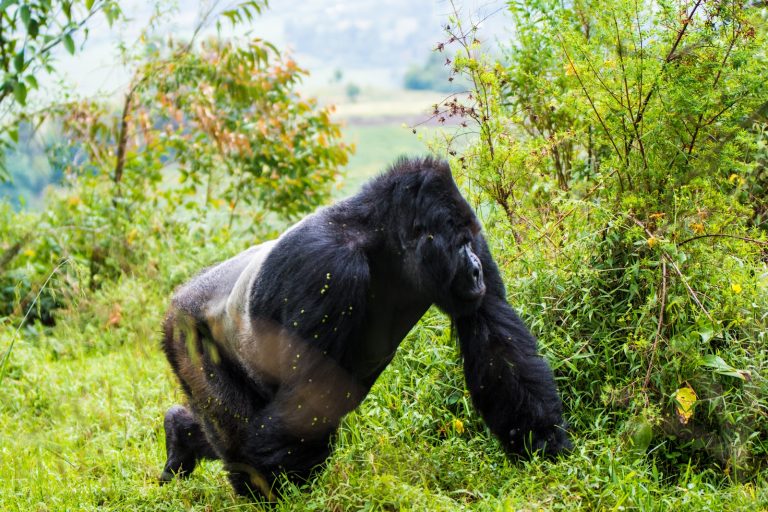

6 Days Uganda Gorilla Tracking Safari
by Kori Safaris Verified operator
From $2,200 per person
View Safari