
Kingdom and Royal Heritage Tours in Uganda: Palaces, Tombs
Palaces, tombs and coronation sites of Uganda’s kingdoms: Kasubi and the Lubiri in Kampala, Mparo and Karuziika at Hoima, the Toro palace at Fort Portal, and why Ankole was never restored.
A royal heritage tour in Uganda visits the palaces, tombs and coronation sites of kingdoms that still exist as cultural institutions. Buganda, Bunyoro Kitara, Toro and Busoga were restored after being abolished; Ankole never was. Kasubi and the Lubiri in Kampala carry the most, Hoima and Fort Portal hold the western palaces, and every one of these is a working site rather than a ruin.
Safaris That Include Royal Heritage
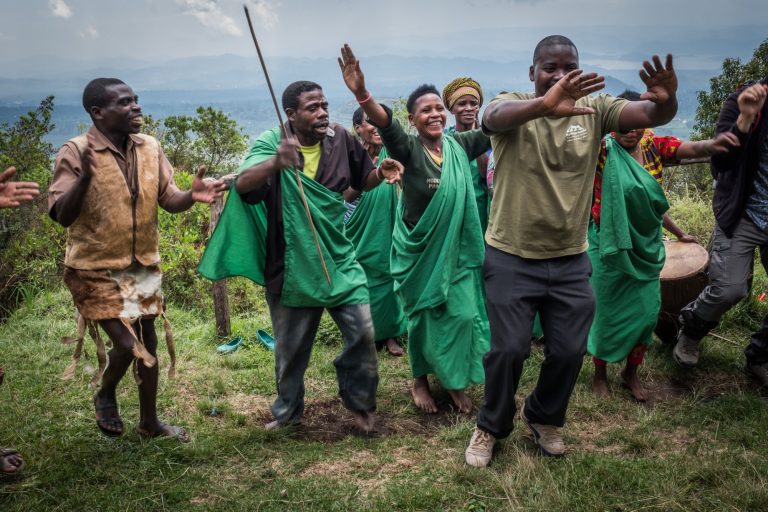

Royal Heritage Guide in Uganda
Uganda's Kingdoms Today: What a Royal Heritage Tour Covers
A royal heritage tour in Uganda visits the palaces, tombs and coronation sites of kingdoms that still exist. They are cultural institutions rather than governments: abolished in the late nineteen sixties, restored by statute in the early nineteen nineties, and barred from holding political office ever since. Buganda, Bunyoro Kitara, Toro and Busoga were all restored. Ankole was not, and that absence is part of the story.
You are visiting working institutions, not ruins. A kabaka, an omukama and a kyabazinga are alive and in office, and the tombs are active burial grounds with custodians living on site.
Kasubi Tombs: the Centre of Any Buganda Heritage Tour
The Kasubi Tombs in Kampala are the burial place of four kabakas of Buganda and a UNESCO World Heritage site. The main building, Muzibu Azaala Mpanga, is a huge domed structure of thatch, reed and bark cloth, and it burned down in a fire that shocked the country and put the site on the danger list.
Reconstruction took well over a decade, using the same materials and the same clan based division of labour that built the original, with each clan responsible for its own part of the roof. The site has since come off the danger list and reopened to visitors.
Access to the inner areas is restricted and always was. The deepest part of the building is behind a bark cloth curtain and is not for visitors at all. What you see is the structure, the mat layering, the regalia in place and the custodians, most of them widows of past kabakas, who live on the site and explain it. Check before you go, because arrangements around the reopening have moved more than once and what an older page tells you may be out of date.
The Lubiri and Bulange: Palace Tours in Kampala
The Lubiri at Mengo is the kabaka's palace compound, and the Bulange, the Buganda parliament building, faces it across a straight ceremonial road that only the kabaka may drive down. Both are on the standard Kampala circuit, and our city tour guide covers how they fit a day in the capital.
The Lubiri also holds an underground armoury used as a detention and killing site during the Amin years, and guides take visitors into it. It is a short, grim visit that sits oddly beside the palace story, and it is fair to say you would rather not. Our historical and heritage guide covers Uganda's harder history more fully.
Coronation Hill, Wamala and the Kabaka's Lake on a Buganda Trip
Bunyoro Kitara: Palace and Tomb Tours at Hoima
Bunyoro was the dominant kingdom in the region before Buganda, and its most remembered omukama, Kabalega, fought the British for years before being captured and exiled. His tomb is at Mparo, a few kilometres from Hoima town, a grass thatched house holding his spears, stools and personal effects above the burial place.
The palace, Karuziika, sits in Hoima and is the omukama's official residence. Guided visits take in the regalia, the shrines and the throne room when the household permits it, which is not every day. Empango, the coronation anniversary, is the time the palace is at its most open and its most crowded.
A warning on names. Bunyoro's palace at Hoima and Toro's palace at Fort Portal carry almost the same name in slightly different spellings, and travel pages mix them up constantly. If a page tells you the Bunyoro palace is in Fort Portal, it has confused the two.
Toro and Busoga: the Smaller Kingdom Tours
Ankole: the Kingdom That Was Never Restored
Ankole is the one that did not come back. When the other kingdoms were restored, the Ankole obugabe was left out, and it has stayed out amid a long argument about whether a restored monarchy would entrench the historic division between Bahima cattle keepers and Bairu cultivators.
So the royal heritage here is memorial rather than living: the Nkokonjeru tombs at Mbarara, where the last recognised omugabe is buried, and a cultural centre and museum on the Masaka road that holds the regalia and the history. Our Ankole cattle guide covers the culture that carried on without a palace.
Dress, Photographs and Conduct on a Palace Tour
Fitting Royal Sites Into a Uganda Safari Route
Buganda's sites cluster in Kampala and can be done in a single day at the start or end of a trip, which is when most people have a spare one. Bunyoro's sit at Hoima, close to the Murchison route west. Toro's is in Fort Portal, where half the country's western itineraries stop anyway for Kibale.
Nothing here needs a detour of more than an hour if you plan it into the driving days. Our guide to trip length covers the shape, and the broader cultural tour guide sets these sites alongside the village visits.
Frequently Asked Questions About Royal Heritage Tours
What do the palaces and tombs charge? Each site sets its own fee, since none is on wildlife authority land and there is no national tariff to quote. Entrance at the Buganda sites is modest by safari standards and the guiding is included, with a tip expected on top. Get the current figure from the site or your operator rather than from an old blog, because these have changed and are not published centrally.
Is Kasubi open, and can I go inside? The site is open again after a long reconstruction. Access to the main building is partial and controlled, and the innermost area behind the bark cloth is closed to visitors permanently. Confirm on the day, since conditions have changed repeatedly.
How long does a Kampala royal heritage tour take? Half a day covers Kasubi, the Lubiri and the Bulange at a sensible pace. A full day adds Wamala or Buddo. Trying to do all five in one morning means five car parks and no conversations.
Can I meet the king? No, and asking puts your guide in an awkward position. You can see the kabaka at public occasions such as his birthday celebrations, which are announced publicly and draw large crowds.
Are the kingdoms political? Legally they are cultural institutions and cannot hold political office. In practice the relationship between the kingdoms and central government has been tense at various points, and land in particular remains contested. Ask your guide; most will give you a straight and interesting answer.
What about the Rwenzururu kingdom in the west? The Bakonzo kingdom was recognised much later than the others, and its recent history includes serious violence at the royal compound in Kasese. It is not set up for visitors in the way the older palaces are, and it is not a site to turn up at casually.
Palace and tomb visits are arranged by independent Ugandan operators, and the kingdoms staff the sites themselves. Write to an operator, say which kingdoms you want to cover and how much of a driving day you will give it, and ask them to check opening on the day. We take no booking and charge you nothing.