

Sipi Falls is a set of three waterfalls on the north western shoulder of Mount Elgon, hiked on a guided community loop of three to four hours. Most visitors add abseiling beside the hundred metre main drop and a coffee tour on the slopes below, and book both through their lodge. The village of Sipi sits at about 1,780 metres in Kapchorwa district in eastern Uganda, roughly five hours from Kampala.
Sipi Falls Tours and the Three Waterfalls at a Glance
The Sipi River comes off the upper slopes of Mount Elgon and drops over the escarpment in three stages before running out towards the Lake Kyoga basin. That is the whole geography, and it explains why the place works so well as a short stay: three falls, all within a few kilometres of each other, connected by farm paths you can walk in a morning.
What people underestimate is the view in the other direction. Sipi sits on the lip of an escarpment, and from the lodges along it you look north and west across the Karamoja plains, which run flat to the horizon. The waterfalls are the reason to come. The view is the reason people stay longer than they meant to.
One thing to settle early, because a lot of pages blur it. Sipi Falls is not inside Mount Elgon National Park. The park boundary is above and behind the village. The falls, the trails and the land they cross belong to the community, so wildlife authority rates and park permits have nothing to do with a visit here. Everything is arranged locally.
Give it two nights. One night lets you do the hike and leave, and almost everyone who tries that ends up saying the coffee tour was the part they missed.
The Sipi Falls Hiking Tour and Which Route to Take
The Sipi Falls hiking tour is the main event and it is not a boardwalk. The standard loop takes three to four hours, links all three waterfalls, and spends most of its length on footpaths that cut through people’s smallholdings: maize, matooke, coffee bushes, a goat tethered in the shade. The paths shift from season to season as farmers plant and clear, which is one of the practical reasons a guide is not optional here.
Most operators also offer a longer version, five to six hours, which adds higher ground and quieter trails above the escarpment. If you are fit and you have the day, the long route is the better walk. If you are arriving from Kampala in the morning and leaving the next day, take the standard loop.
The ground is red clay. In the dry months it is fine. After rain it turns into something that packs onto the sole of a boot in layers until each foot weighs several pounds, and the descents become genuinely slippery. Trip reports describe finishing the hike caked to the knee and handing their shoes to lodge staff afterwards, which is not an exaggeration. Take boots with a real tread, accept the walking stick your guide offers, and do not attempt the steeper descent in the wet in trainers.
You can get behind the water. The second fall has a cave under the overhang, and the path runs through the spray to reach it, so you come out soaked. There is also a plunge pool at the base of one of the falls that is deep enough to swim in. Pack a swimsuit and a dry bag, and expect the water to be cold, because at this altitude it never warms up.
Rain arrives fast on this side of Elgon and it does not care what your guide predicted. Carry a light waterproof even on a clear morning.
What the Three Waterfalls Are Called on a Sipi Hiking Tour
Ask three people the names of the three falls and you will get three answers. This is not a small confusion, it is the single most mangled fact about the place, and one widely shared page names two waterfalls that are not part of Sipi at all.
The heights are soft numbers too. Nobody has surveyed them recently and different sources measure to different points, so the main fall shows up variously at 95, 99 and 100 metres. It is a hundred metre waterfall in every way that matters to a person standing under it.
Community Fees and Guides for Sipi Falls Tours
Because there is no park gate, there is no ticket office in the sense you might expect. A community fee is collected in the village and it covers the guide, trail upkeep and a contribution to the households whose land the paths cross. Rates are tiered by residency and by which route you walk, and the guide businesses in Sipi publish them, which is more transparency than most Ugandan community sites offer.
A guide is not a formality here. The route is unmarked, it crosses private property, and it involves at least one lodge gate where a small separate charge is levied to walk across the grounds towards the middle and upper falls. That charge is normal and it is not somebody inventing a fee. A guide handles it without fuss.
Tip separately and in cash if the guide has been good, because the community fee is a fee and not a wage. Small notes are more useful than large ones. There is no bank machine in Sipi worth relying on, so bring what you need from Mbale or Kapchorwa.
Abseiling Adventures Beside the Main Sipi Waterfall
Abseiling at Sipi runs down the cliff face immediately beside the main fall, a full hundred metres, and it is the activity that turns a pleasant waterfall stop into an adventure people talk about afterwards. Roughly the first third keeps your feet on the rock. The rest is free hanging, which means you spin slowly with a hundred metre wall on one side, a waterfall on the other and farmland underneath. It takes about an hour and a half including the walk up, the briefing and the kit.
The outfit that pioneered it in the village was trained by visiting Italian climbers and has been running the site for years. Equipment is checked in front of you and the briefing is thorough rather than casual, which matters because there is no formal inspection regime behind it. Ask to see the ropes and harnesses if you want to; nobody minds.
You need no experience whatsoever. What you need is the ability to lean back off an edge and trust a rope, which is a harder ask than it sounds and is where most people who back out do so. Children are taken, with the operator’s judgement on the day. Anyone with a shoulder or back problem should say so before they are strapped in.
Arabica Coffee Tours on the Slopes Above Sipi
The coffee tour is the quiet surprise of a Sipi trip and the one activity almost every visitor rates higher than they expected. Mount Elgon’s western slopes grow Bugisu Arabica between roughly 1,600 and 1,900 metres, which is the altitude band where the cherry ripens slowly enough to build the acidity and fruit that specialty buyers pay for. Much of the crop is organic, some of it by certification and some of it simply because nobody could afford the inputs.
A tour runs two to three hours and follows the whole line from tree to cup. You pick cherry if the season is right, then pulp it, wash it, dry it on a raised bed, pound the parchment off in a wooden mortar, winnow the chaff out in a flat basket, roast the green beans in a pan over a wood fire, grind them by hand and drink the result sitting outside somebody’s house. Doing all of that yourself takes the mystique out of coffee in a useful way.
These tours are usually run by a household or a small group rather than a company, and the money goes straight into the farm. Larger structures exist alongside them: the Gumutindo cooperative certifies farmers across the Elgon slopes, and a wet processing mill operating under the Sipi Falls name buys and washes cherry in the area. Ask which one you are visiting. A tour on a family plot and a tour at a washing station are different days.
Buy a bag before you leave. It costs a fraction of what the same coffee sells for once it has been exported and roasted somewhere else, and it is the most direct thing a visitor can put back into the village.
Cave Adventures and Rock Climbing Around Sipi Falls
The volcanic geology under Sipi has left overhangs and hollows all along the escarpment. The best known is the cave behind the second waterfall, reached on the standard hike, where the path takes you under the lip and out through the curtain of water. Others sit further along the ridge and are walked as a separate short cave tour, usually with a story attached, because these were shelters and ritual sites long before they were anything a visitor came to see.
Rock climbing runs on the same cliffs the abseil uses, with bolted routes of roughly fifteen to thirty five metres at a range of grades. It is a small scene and gear is limited, so contact the operator ahead if climbing is the reason you are coming rather than a nice extra.
Neither activity needs a full day. Both slot into an afternoon after a morning hike, which is how most two night stays end up working.
Village Walks and Sabiny Culture Tours in Kapchorwa
This is Sabiny country, and Kapchorwa means home of friends in the Kupsabiny language, which is the sort of place name that turns out to be a fair description. A village walk from Sipi takes you into the smallholdings above and below the trading centre, through banana gardens and coffee, past school compounds and grinding mills, usually with stops arranged where somebody will show you what they do.
The higher slopes hold the Benet and Mosopisiek communities, forest people who were moved out of Mount Elgon when the park was gazetted in the nineties and whose position has never been fully settled. Local guides will talk about it if you ask and it is worth asking, because it is the live political story of this mountain and it does not appear in any brochure.
Kapchorwa town itself sits about fifteen kilometres and twenty five minutes above Sipi, higher and cooler, with a market, a few guesthouses and much less tourism. It makes a good half day if you want to see an ordinary Ugandan hill town rather than a place organised around visitors.
Do the obvious courtesies. Ask before photographing people, buy something at the stalls you stop at, and let your guide handle the introductions rather than walking into a compound yourself.
Running Tours and the Altitude Trails Above Kapchorwa
The Sebei highlands produce a startling number of world class distance runners for a region this small. Stephen Kiprotich, Joshua Cheptegei, Jacob Kiplimo and Peruth Chemutai all come from these hills, and the reason is sitting under your feet: dirt roads that climb from about 1,800 metres to well over 2,500, thin air, and a running culture that starts in primary school.
Visitors can run here, and a small set of running tours has grown up around it. Guides take you out on the training loops in the early morning, and at the top end there is a purpose built athletics facility above Kapchorwa at around 2,600 metres along with a training centre established by one of the Olympic champions from the area. Some camps take amateurs for a week of altitude work; some will just take you out for an hour.
Be honest with yourself about the altitude. A run that feels easy at sea level will not feel easy at 2,000 metres on your first morning, and the local pace is not a pace you should try to hold. Go out slowly, take water, and understand that being comprehensively dropped by a fourteen year old is the standard experience.
Mountain Biking, Birding and Fishing Trips Around Sipi
The same tracks that make this good running country make it good cycling country. Mountain biking trips run from the village along the ridge roads and down through the plantations, with local outfits supplying bikes, and the descents are long because the escarpment is steep. The climbs, obviously, are the price. Do it in the dry season or accept that you will be pushing through clay.
Birding along the escarpment edge is quietly good. The forest fringe above the falls, the farmland below and the drop towards the plains put three habitats within an hour’s walk of each other, and a morning with a guide who knows the calls turns up a long list including highland species that are hard to find elsewhere in Uganda. Sightings are never guaranteed and the best hours are the first two after dawn.
Trout fishing exists above Sipi on the higher reaches of the streams, stocked years ago and still holding fish. It is arranged locally and there is no published tariff, so treat it as something to ask about at your lodge rather than something to plan a trip around.
How a Sipi Trip Fits with Mount Elgon National Park Treks
Sipi and the mountain above it are two different trips, and confusing them is the commonest planning error in this corner of Uganda. Sipi is a village stay: waterfalls, coffee, an abseil, walks through farmland, all of it community run and none of it needing a permit. A Mount Elgon trek is a multi day expedition to the caldera and Wagagai summit, run by the wildlife authority from trailheads at Budadiri, Kapkwai and Piswa, with porters, camps and fees on an entirely separate schedule. Our Mount Elgon National Park guide covers that side in full.
They fit together well, in one direction. Sipi is where trekkers sleep before and after the mountain, and the Sipi trailhead is one of the routes onto Elgon, so a week that runs two or three nights in Sipi around a four day trek is a natural shape. The reverse does not hold: nobody needs to climb the mountain to enjoy Sipi, and a great many visitors never go through the park gate at all.
If you want a taste of the park without a full trek, the Kapkwai forest exploration centre sits above Sipi and runs day walks to caves, viewpoints and smaller waterfalls inside the boundary. That is a park activity with park fees, arranged through the wildlife authority rather than the village.
North of here the land drops into Karamoja, where Pian Upe Wildlife Reserve covers close to 2,800 square kilometres and holds species found almost nowhere else in Uganda.
It is about an hour and a half from Sipi and it makes the natural onward leg for anyone heading towards Kidepo.
Best Time for Sipi Falls Hiking Tours and Trail Conditions
Sipi is walkable all year, and unlike the parks there is no season when the place shuts or the wildlife moves. What changes is the mud, and the mud changes everything about the hike.
| Month | Rain | Trails | Falls |
|---|---|---|---|
| January | Low | Firm | Modest |
| February | Low | Firm | Modest |
| March | Rising | Sticky | Building |
| April | Heavy | Slippery | Full |
| May | Heavy | Slippery | Full |
| June | Light | Firm | Strong |
| July | Light | Firm | Strong |
| August | Light | Firm | Strong |
| September | Rising | Sticky | Strong |
| October | Heavy | Slippery | Full |
| November | Heavy | Slippery | Full |
| December | Easing | Firm | Good |
Use the chart to pick your footwear and your route, not your dates. December to February and June to August are the dry windows: firm paths, the long five hour route is comfortable, and the abseil goes ahead without much chance of a weather stop. Trainers will survive these months. The falls are at their thinnest, which is the trade.
April, May, October and November are the wet ones, and this is when the waterfalls are worth photographing. It is also when the clay turns treacherous, when guides will steer you away from the steep descent to the middle fall, and when you should be in boots with a proper tread and carrying a change of clothes. Rain here is usually a heavy afternoon rather than a lost day, so an early start salvages most of it. Lodges are emptier and cheaper.
Coffee harvest runs broadly from the late months of the year into the early ones on these slopes, so a tour between about October and February is more likely to involve picking rather than being shown a tree that is done for the year. Ask when you book if that part matters to you.
Bring a fleece whatever the month. At 1,780 metres the evenings on the escarpment get cold enough that everyone who packed for equatorial Africa regrets it.
Where to Stay and How to Reach Sipi Falls for Your Tour
Almost everything sits along the escarpment edge with a view of the falls, which means the difference between tiers is comfort rather than position. At the upper end are the lodges with cottages and full service, among them Sipi Heritage Lodge and Rafiki Lodge. The middle band holds the long established eco lodges and small resorts including Lacam Lodge, Sipi Falls Lodge, Sipi Valley Resort and Mise Cave Lodge. Below that are guesthouses and backpacker places, with Crow’s Nest and Moses Campsite the names most travellers arrive knowing, and camping available at several. Kapchorwa town has cheaper rooms if you want a base away from the visitor strip.
Getting here takes a morning. Sipi is roughly 275 kilometres from Kampala and the drive runs four and a half to six hours depending on how bad Mukono and Jinja are, usually with a stop in Mbale.
From Mbale it is about an hour and a half up a steep and increasingly scenic mountain road, and that last leg is worth doing in daylight.
By public transport, take a bus or shared taxi from Kampala to Mbale, then a shared taxi or a motorcycle up to Sipi. Shared taxis on the Mbale to Kapchorwa road leave when they are full rather than on a timetable, so allow an hour of waiting. The motorcycle is faster, exposed to weather and fine in the dry. A private transfer from Mbale removes all of it and most lodges will arrange one.
Sipi combines naturally with Jinja on the way out from Kampala, with a Mount Elgon trek from the same base, and with Karamoja and Kidepo to the north. It does not combine well with a rushed western Uganda circuit, because it is at the wrong end of the country.
Frequently Asked Questions About Sipi Falls Tours
How much is the Sipi Falls hike, and what does the fee cover?
The community fee for the standard three to four hour route runs at about 15 US dollars for international visitors, roughly 10 dollars for foreign residents and a lower local currency rate for East African citizens. The longer five to six hour route is priced higher, at about 20 dollars for international visitors on the rate cards published in the village. The fee covers your guide, trail maintenance and a share to the landowners whose paths you use. Expect one small extra charge at a lodge gate on the way to the middle and upper falls, which is a legitimate property crossing rather than an invention. There is no wildlife authority tariff here because the falls sit outside the national park, and rates are set locally, so confirm the figure before you set off.
What do abseiling and the coffee tour cost?
Abseiling beside the main fall is usually quoted at around 50 US dollars per person for about an hour and a half, though one operator page lists it lower in shillings, so it is worth asking two places. A coffee tour is one of the better value activities anywhere in Uganda and typically runs at a small fraction of that for two to three hours, arranged through your lodge or directly with a farming household. Cave walks, village walks and birding guides are priced similarly and negotiated locally. Carry cash, because card payment does not exist in the village and the nearest reliable bank machines are in Mbale and Kapchorwa.
What should I budget for accommodation in Sipi?
Camping and backpacker dorms start in the low tens of US dollars, guesthouses and the smaller eco lodges sit somewhere between about 30 and 90, and the cottages at the upper end run from roughly 100 to 200 with meals. Almost every property has a waterfall view, so paying more buys you a better bed and better food rather than a better outlook. Kapchorwa town is cheaper again if you do not mind the twenty five minute drive.
How hard is the Sipi Falls hike, and how fit do I need to be?
The standard loop is moderate: three to four hours, a few hundred metres of ascent and descent, no scrambling and nothing exposed. Anyone who walks regularly will manage it. What makes it harder than the numbers suggest is the surface, because the descents are steep in places and red clay after rain is genuinely slick underfoot. The five to six hour route asks for a bit more. Take the walking stick you are offered, and if you have a knee that objects to downhill, say so at the start and your guide will pick the gentler way round.
Do I need a guide, and how do I avoid the unofficial ones?
Yes, in practice. The route is unmarked, it crosses farmland and private property, and the paths change with the planting season. Beyond that, the local guides association and Ugandan press have both flagged unregistered people intercepting visitors at the trading centre and charging inflated rates. Book through your lodge or through a named guide business, agree the number before you walk, and ask for a receipt. Licensed guides have been through tourism board supported training and are happy to say so.
Can I swim at Sipi Falls, and can I get behind the water?
Both, on the standard hike. There is a plunge pool deep enough to swim in, and the second fall has a cave under the overhang that the path reaches by going through the spray. You will get soaked doing it and the water is cold at this altitude, so bring a swimsuit, a towel and a dry bag for anything electronic. Ask your guide about the pool before you get in after heavy rain, since the flow changes what is sensible.
How many days should I spend at Sipi Falls?
Two nights. One full day covers the hike and either the abseil or the coffee tour, and the second gives you the other one plus a village walk or a cave. Visitors who allow a single night almost always report leaving something behind, most often the coffee. Three nights suits anyone who wants the longer hiking route, a run on the altitude trails or a day up in Kapchorwa, and Sipi is the rare Ugandan destination where sitting on a terrace looking at the plains counts as a legitimate use of an afternoon.
Is Sipi Falls part of Mount Elgon National Park?
No, and it matters for planning. The village, the falls and the trails are community managed and sit outside the boundary, so no park entry is involved and no permit is needed. The park begins above Sipi, and the mountain treks to the caldera and Wagagai are a separate undertaking with separate fees, run from Budadiri, Kapkwai and Piswa. Plenty of people use Sipi as a base before and after a trek, which works well, but visiting the falls does not require going into the park at all.
What should I pack for Sipi?
Boots with a real tread, above everything else, and be prepared for whatever you wear to come home red. A light waterproof, because the weather turns quickly on this escarpment regardless of the forecast. A fleece for the evenings at nearly 1,800 metres. Swimsuit, towel, dry bag, sun protection for the open sections, and enough small denomination cash for fees, tips and coffee. Leave the good trainers in the car.
Is Sipi suitable for children and older travellers?
The village, the coffee tour, the viewpoints and a shortened walk to the first fall suit almost anyone. The full three fall loop is a real hike with steep muddy sections and is better suited to teenagers and adults, though guides regularly adjust the route and will turn back at the first fall without complaint. Abseiling is taken on a case by case basis and children do it, with the operator deciding on the day. Anyone with a heart condition, a back problem or serious mobility limits should stick to the upper viewpoints, which give you the main fall in full without the descent.
Sipi rewards a slower visit than most people give it, and the difference between a good day and a frustrating one usually comes down to who guides you.
A six day Mount Elgon and Sipi Falls trip is the listing that gives the village proper time alongside the hikes inside the park.
A fifteen day best of Uganda circuit takes the Sipi hike in on its way north to Kidepo. Whichever you pick, check that your guide is registered and locally based, and confirm the community fee and what it covers before you set off.
1 Place to Visit in This Area
Individual sites within reach of here, each with its own guide. Some are written up because the name circulates and the place does not, which is worth knowing before you plan a drive around one.
Safaris That Visit Sipi Falls
Every safari listed here that visits Sipi Falls. Each is sold and run by an independent Ugandan tour company. This site lists them and passes on enquiries; it takes no booking and charges you nothing.
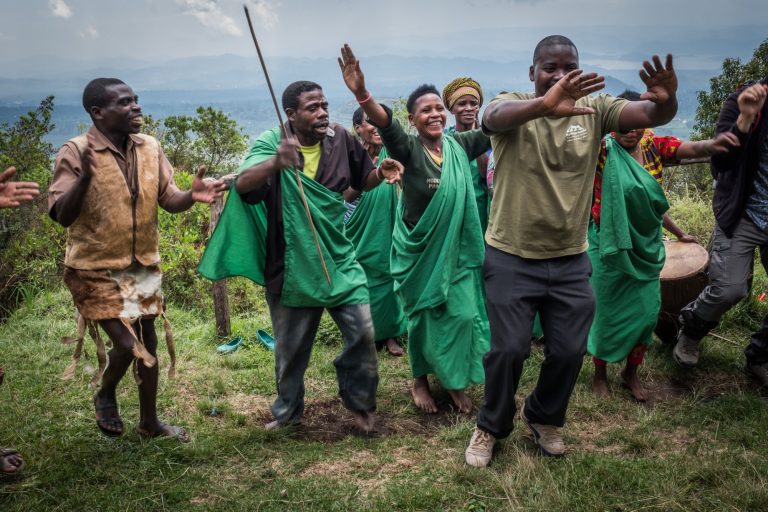

10 Days Uganda Cultural Tour
by Insight Safari Holidays Verified operator
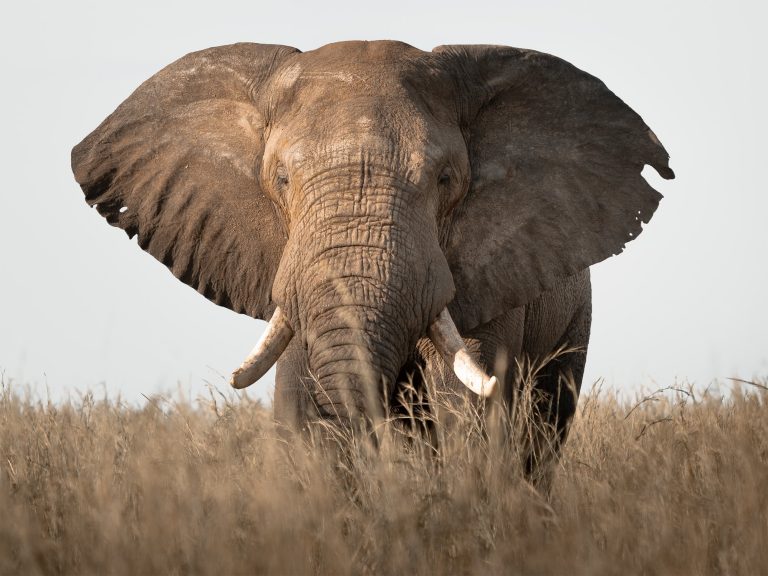

15 Days Uganda Safari
by Wild Whispers Africa Verified operator
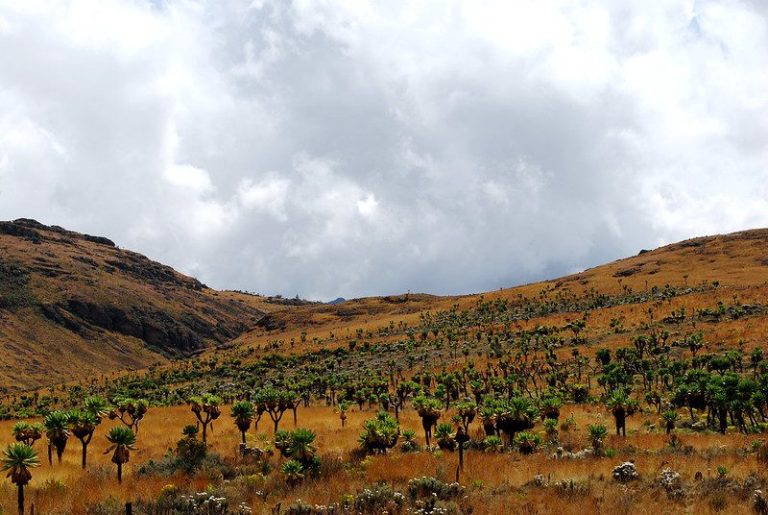

6 Days Mount Elgon & Sipi Falls Uganda
by Tranquil Safaris Verified operator